

What Documents Are Required to Transport a Pet Squirrel by Air?
Transporting a pet squirrel by air requires careful preparation. Owners must consider animal health, airline regulations, wildlife protection laws, and international import procedures. Unlike common pets such as dogs and cats, squirrels may be subject to additional restrictions. Some species are protected wildlife. Others may not be accepted for international transport.
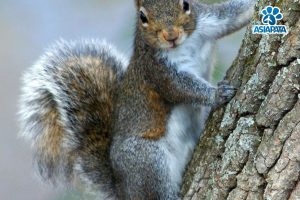
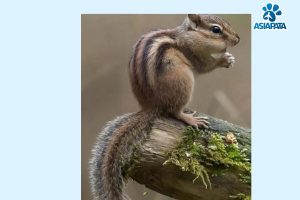
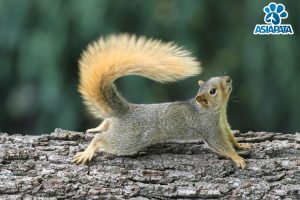
Before arranging a flight, it is important to identify the exact squirrel species. The scientific name is especially important. It helps authorities determine whether the animal is protected under CITES or national wildlife laws.
So, what documents are required to transport a pet squirrel by air? What are the export and import procedures? This guide explains the main requirements and important steps for a compliant shipment.
1. Can Pet Squirrels Be Transported by Air?
In some cases, pet squirrels can be transported by air. However, acceptance depends on several factors.
The first factor is the squirrel species. Different species may have different legal statuses. Some are commonly bred in captivity. Others may be classified as protected wildlife.
The second factor is the destination country’s import policy. A country may require special permits for exotic mammals. It may also restrict or prohibit the import of certain squirrel species.
The third factor is airline acceptance. Not every airline accepts squirrels as live animal cargo. Some carriers may have restrictions on rodents and other small mammals.
Before booking a shipment, the owner should confirm:
- The squirrel’s scientific name.
- Its country of origin.
- Whether it was captive-bred or wild-caught.
- The legal status of the species.
- The destination country’s import conditions.
- The airline’s live animal acceptance policy.
These details help determine whether the shipment can proceed legally and safely.
2. Identify the Squirrel Species Before Shipping
Correct species identification is the first step in international squirrel transportation.
The term “squirrel” refers to many species within the Sciuridae family. They may have different conservation statuses and import requirements.
Some species may be traded under specific wildlife management rules. Others may be listed in the CITES Appendices.
The owner should prepare the following information:
- Common name.
- Scientific name.
- Number of animals.
- Sex and approximate age.
- Country of origin.
- Captive-bred or wild-caught status.
- Identification records, if available.
A photograph may help with preliminary identification. However, it may not replace official species identification when required by authorities.
This step is important because incorrect identification can lead to permit problems. It may also cause customs delays or refusal of entry.
3. Check CITES and Wildlife Protection Regulations
CITES stands for the Convention on International Trade in Endangered Species of Wild Fauna and Flora.
It regulates international trade in listed wild animals and plants. Its purpose is to ensure that trade does not threaten the survival of protected species.
Squirrels are not automatically subject to CITES permits. The applicable requirements depend on the exact species and its listing.
Before shipping, the owner should check:
- Whether the species is listed in CITES Appendix I, II, or III.
- Whether an export permit is required.
- Whether an import permit is required.
- Whether a re-export certificate is necessary.
- Whether the country of origin has additional wildlife restrictions.
For species listed in CITES Appendix I, international commercial trade is generally subject to strict restrictions. Import and export permits may both be required.
Appendix II and Appendix III species may also require official documents, depending on the transaction and country regulations.
The owner should contact the CITES Management Authorities in the exporting and importing countries. Do not assume that a pet squirrel is exempt simply because it is privately owned.
4. Documents Required to Transport a Pet Squirrel by Air
The required documents depend on the species, route, purpose of transport, and destination country.
However, several documents are commonly relevant to international live animal shipments.
4.1. Veterinary Health Certificate
A veterinary health certificate confirms the animal’s health condition.
It is usually issued or endorsed by an authorized veterinary authority. The document may include:
- Animal identification.
- Species and scientific name.
- Number of animals.
- Health examination results.
- Relevant vaccination or treatment records, if applicable.
- Date of examination.
- Official veterinary signature and stamp.
Some destinations require a specific certificate format. Others may require additional tests or declarations.
The owner should check the destination country’s requirements before arranging the veterinary examination.
4.2. Import Permit
An import permit is issued by the competent authority in the destination country.
It confirms that the animal is eligible for import under the applicable regulations.
Depending on the destination, the permit may specify:
- Permitted species.
- Number of animals.
- Country of origin.
- Import purpose.
- Port of entry.
- Health conditions.
- Quarantine requirements.
- Validity period.
The import permit should be obtained before shipment when required. Sending the squirrel without the necessary authorization may result in refusal of entry.
4.3. CITES Export or Import Permit
If the squirrel belongs to a CITES-listed species, relevant CITES documents may be required.
These documents depend on the applicable Appendix and the purpose of the shipment.
Possible documents include:
- CITES export permit.
- CITES import permit.
- Re-export certificate.
- Certificate of origin, where applicable.
- Supporting captive-breeding documents.
The authorities will assess the species and the legal origin of the animal.
A private ownership document does not automatically replace a CITES permit.
4.4. Proof of Legal Origin
Proof of legal origin helps demonstrate that the squirrel was obtained lawfully.
Depending on the case, supporting documents may include:
- Captive-breeding records.
- Purchase invoices.
- Breeder information.
- Ownership documents.
- Wildlife registration records.
- Previous import or export permits.
These documents are particularly important for protected species.
Authorities may request additional evidence to verify the animal’s origin.
4.5. Shipper’s Certification for Live Animals
The shipper may need to complete a Shipper’s Certification for Live Animals.
This document provides information about the animal and its transportation conditions.
It may include details about:
- Species and quantity.
- Container suitability.
- Feeding and watering instructions.
- Emergency contact information.
- Special handling requirements.
The airline or freight forwarder may request this certification during cargo acceptance.
4.6. Air Waybill
The Air Waybill (AWB) is the main transport document for an air cargo shipment.
It records important shipment information, such as:
- Shipper’s details.
- Consignee’s details.
- Airport of departure.
- Airport of destination.
- Number of packages.
- Gross weight.
- Handling information.
Live animal shipments must be declared correctly. The airline may require a dedicated air waybill and specific live animal handling information.
The shipper should also provide a 24-hour emergency contact when required.
5. Export Procedures for Pet Squirrels
Export procedures begin before the animal arrives at the airport.
The owner must first confirm that the squirrel can legally leave the exporting country.
The process may include the following steps.
Step 1: Confirm Species and Legal Status
Identify the squirrel using its scientific name.
Check whether it is protected under national wildlife laws or CITES.
If the animal is protected, contact the relevant wildlife authority before making shipping arrangements.
Step 2: Prepare Legal Origin Documents
Collect documents proving how the squirrel was obtained.
For captive-bred animals, the authorities may request breeding records or supporting documents from the registered facility.
For protected wildlife, additional legal origin documents may be necessary.
Step 3: Apply for Export Authorization
If the species or export activity requires authorization, submit an application to the competent authority.
The application may include:
- Species information.
- Number of animals.
- Export purpose.
- Destination country.
- Proof of legal origin.
- Relevant CITES documents.
The authority will review the application and determine whether the export can be approved.
Step 4: Complete Veterinary Procedures
Arrange a health examination with an authorized veterinarian.
The animal may need specific tests or treatments. These depend on the destination country’s requirements.
After the examination, obtain the required health certificate or official veterinary endorsement.
Step 5: Confirm Airline Acceptance
Contact the airline or an authorized live animal shipper.
Provide the scientific name, number of squirrels, container dimensions, and route.
The airline will review its operational and animal acceptance requirements.
Do not purchase a non-refundable ticket before receiving confirmation.
Step 6: Prepare the Transport Container
Select a container suitable for the squirrel’s size and behavior.
It must provide adequate ventilation and prevent escape.
The animal should have enough space to maintain a natural position. The container must also be secure during handling and loading.
Step 7: Complete Export Customs and Cargo Procedures
Prepare the commercial or non-commercial shipping documents, as applicable.
Submit the required export declaration and supporting permits.
The shipment may be subject to document inspection and physical checks.
After the required procedures are completed, the airline can accept the shipment for transport.
6. Import Procedures for Pet Squirrels
Import procedures are controlled by the destination country.
The importer should check the rules before the animal leaves the exporting country.
A general import process includes the following stages.
Step 1: Check Import Eligibility
Confirm whether the destination country allows the specific squirrel species.
Some countries may prohibit certain exotic mammals. Others may allow import only under special conditions.
The importer should contact the relevant veterinary, wildlife, and customs authorities.
Step 2: Obtain an Import Permit
Apply for an import permit if required.
The application may request information about the animal, origin, transport route, and purpose of import.
If the squirrel is CITES-listed, the importer should also confirm the relevant CITES requirements.
Step 3: Submit Health Documents
Prepare the veterinary health certificate and other required records.
Some destinations may require laboratory tests, treatment records, or an official veterinary endorsement.
The documents must match the animal and shipment details.
Step 4: Arrange Arrival and Inspection
The importer should confirm the permitted airport of entry.
Upon arrival, authorities may inspect the documents and the animal.
They may also verify the species, quantity, health condition, and transport container.
Step 5: Complete Customs Clearance
Submit the required customs declaration and supporting documents.
The customs authority may check the import purpose and declared value.
Additional procedures may apply to commercial imports.
Step 6: Complete Quarantine if Required
Some countries require imported live animals to undergo quarantine.
The duration and conditions depend on national regulations and the animal’s health status.
The importer should arrange an approved quarantine facility before shipment if necessary.
Step 7: Receive the Animal
The consignee can collect the squirrel after all required inspections and clearance procedures are completed.
The animal should be moved to a suitable environment as soon as possible.
7. Importing or Exporting Squirrels From Vietnam
When a shipment involves Vietnam, the owner must check both wildlife and animal health regulations.
The exact procedures depend on the squirrel species and the purpose of the shipment.
For animals classified as protected wildlife, the applicable wildlife management and CITES rules must be reviewed.
Vietnam’s Circular No. 85/2025/TT-BNNMT provides updated rules on the management of endangered and rare wild animals. Its provisions include procedures for CITES permits and supporting documents for relevant imports.
The owner should confirm the applicable procedure with the Vietnam CITES Management Authority before shipping.
For animal health requirements, the exporter or importer should also contact the competent veterinary authority. The authority can determine whether quarantine registration, veterinary inspection, or health certification is required.
Typical supporting records may include:
- Species identification documents.
- Proof of legal origin.
- Captive-breeding records, where applicable.
- CITES permits, if required.
- Veterinary health certificate.
- Import permit from the destination country.
- Air Waybill.
- Customs declaration.
- Other documents requested by the competent authorities.
Not every shipment requires every document listed above. Requirements must be checked for the specific species and route.
8. IATA Requirements for Transporting Squirrels by Air
IATA’s Live Animals Regulations (LAR) provide international standards for the air transport of live animals.
The regulations cover animal containers, documentation, handling, labeling, and loading procedures.
The 2026 edition of the IATA LAR took effect on 1 January 2026.
For squirrel shipments, particular attention should be paid to containment and escape prevention.
Squirrels are rodents with strong gnawing instincts. An unsuitable container may allow them to escape or damage parts of the transport equipment.
The transport container should:
- Be strong and escape-proof.
- Provide sufficient ventilation.
- Have secure doors and locking mechanisms.
- Prevent injury during handling.
- Be suitable for the animal’s size and behavior.
- Allow safe inspection and handling.
- Meet the airline’s applicable container requirements.
The container must also be marked and labeled according to the airline’s instructions.
The shipper should provide feeding, watering, and emergency care instructions where required.
9. How to Prepare a Squirrel for Air Transport
Preparation helps reduce stress and handling risks.
The owner should begin planning well before the departure date.
Important preparations include:
Health assessment
A veterinarian should assess whether the squirrel is fit for transport. Animals showing signs of illness or injury may not be suitable for travel.
Container familiarization
Allow the squirrel to become familiar with the transport container before departure. This can reduce stress during handling.
Appropriate bedding
Use safe bedding that is suitable for the species. Avoid materials that may cause injury or block ventilation.
Food and water arrangements
Follow the veterinarian’s and airline’s instructions. Feeding and watering arrangements should consider the expected journey time.
Temperature management
Avoid exposing the animal to extreme heat or cold. The handling plan should consider the weather at departure, transit, and arrival airports.
Avoid unnecessary medication
Do not sedate the squirrel without veterinary advice. Sedation can create additional health risks during air transport.
10. Common Reasons Squirrel Shipments Are Delayed or Rejected
A shipment may be delayed or refused if it does not meet legal or airline requirements.
Common problems include:
- Incorrect species identification.
- Missing import permits.
- Invalid or incomplete health certificates.
- Missing CITES documents.
- Unclear proof of legal origin.
- Airline restrictions on the species.
- Unsuitable transport containers.
- Inconsistent information across documents.
- Failure to meet quarantine requirements.
- Import prohibition in the destination country.
These problems can lead to additional costs and delays.
In serious cases, the animal may be refused entry or handled according to the destination country’s wildlife and animal health laws.
The best way to reduce these risks is to verify all requirements before booking the flight.
11. Why Professional Assistance Matters
International squirrel transportation involves several parties.
These may include the shipper, veterinarian, wildlife authority, customs authority, airline, freight forwarder, and consignee.
Each party has different responsibilities.
A professional live animal shipping arrangement can help coordinate:
- Species and route verification.
- Document preparation.
- Airline acceptance checks.
- Transport container arrangements.
- Cargo booking.
- Export and import coordination.
- Arrival handling.
However, professional shipping assistance does not replace official permits or government approval.
The owner remains responsible for providing accurate animal information and obtaining the required legal documents.
12. Frequently Asked Questions
Can all squirrel species be transported internationally?
No. Some species may be protected or restricted. Others may be prohibited from import by certain countries. The scientific name must be checked before shipping.
Does a pet squirrel need a CITES permit?
Not necessarily. A CITES permit is required only when the species and transaction fall under the applicable CITES rules. The exact species and Appendix must be verified.
Is a veterinary health certificate required?
Many airlines and destination authorities require a health certificate for live animal shipments. The required format and examination conditions vary by country.
Can squirrels travel in the passenger cabin?
This depends on the airline’s policy and the applicable animal regulations. Many airlines do not accept exotic rodents in the passenger cabin. Cargo transport may be the only available option, subject to carrier approval.
How early should the owner prepare the documents?
Preparation should begin as early as possible. Import permits, wildlife authorization, veterinary examinations, and airline approval may take time. The schedule depends on the species and route.
Can a squirrel be shipped without proof of legal origin?
This may create serious legal problems. Authorities may require evidence that the animal was obtained lawfully, especially when wildlife protection rules apply.
13. AsiapaTa: Support for International Live Animal Transportation
Transporting a pet squirrel by air requires more than booking a flight. It involves species identification, veterinary preparation, wildlife regulations, airline approval, and import procedures.
AsiapaTa focuses on providing information and support for animal transportation requirements. Each shipment should be assessed according to the animal’s species, origin, destination, and travel conditions.
Before arranging transportation, owners should prepare the animal’s scientific name, origin records, destination details, and available veterinary documents.
Early preparation helps identify legal restrictions and reduce the risk of shipment delays.
Conclusion
Transporting a pet squirrel by air requires careful attention to legal and operational requirements. The owner must identify the exact species and check its wildlife protection status. Veterinary health certificates, import permits, CITES documents, and proof of legal origin may be required.
Export and import procedures also depend on the countries involved. Airline approval and suitable transport containers are essential for safe handling.
The most important step is to verify all requirements before booking the shipment. This helps protect the animal and ensures that the transportation process complies with applicable regulations.
Xem thêm: SHIPPING LIVE LIZARD BREEDING STOCK FROM INDONESIA TO VIETNAM: IMPORT REGULATIONS AND PROCEDURES
Xem thêm: CAN TURTLES TRAVEL BY AIR? COMPLETE GUIDE TO SAFE AIR TRANSPORTATION
