

CAN TURTLES TRAVEL BY AIR? COMPLETE GUIDE TO SAFE AIR TRANSPORTATION
Transporting a turtle by airplane is possible under certain conditions. However, it requires careful preparation. Owners must follow airline regulations and wildlife protection laws.
Unlike dogs and cats, turtles are classified as exotic animals. Their transportation may involve special permits, veterinary certificates, and specific packaging requirements.
Turtles are also sensitive to environmental changes. Temperature, humidity, and handling can affect their health during a flight.
Whether you are moving abroad with a pet turtle or arranging international animal transportation, preparation is essential.
In this guide, AsiapaTa explains the requirements for transporting turtles by air. You will also learn about documents, packaging, costs, and important safety considerations.
1. Can Turtles Be Transported by Air?
Yes, turtles can travel by airplane in many cases. However, not all airlines accept turtles. Some species are also restricted by international regulations.
Airlines usually classify turtles as live animals or exotic animals. Depending on their policies, turtles may travel as air cargo.
Before booking a shipment, owners should check:
- Whether the airline accepts the turtle species.
- Whether the destination country allows its import.
- Whether a veterinary health certificate is required.
- Whether CITES permits are necessary.
- Whether special packaging is required.
- Whether transit airports accept live animal shipments.
Each shipment must meet specific conditions. Approval from an airline does not automatically mean the animal can enter the destination country.
2. Which Types of Turtles Can Travel by Air?
Different turtle species have different transportation requirements. Some common pet turtles may be eligible for air transportation.
However, owners must check their legal status before booking.
Red-Eared Slider Turtles
Red-eared sliders are popular freshwater turtles. They may be eligible for air transportation under certain conditions.
Their packaging must provide suitable ventilation and moisture control. Owners should also check local wildlife regulations.
Russian Tortoises
Russian tortoises are terrestrial reptiles. They need suitable temperature and humidity conditions during transportation.
Their eligibility depends on the destination country’s regulations.
Box Turtles
Box turtles can be sensitive to environmental changes. They require secure packaging and careful handling.
Temperature control is especially important during long journeys.
Other Exotic Turtle Species
Some exotic turtles are protected by international wildlife laws. Certain species require special permits.
Others may be prohibited from international trade.
Owners should identify the turtle’s scientific name before arranging transportation. Common names may not be enough to determine its legal status.
3. Differences Between Transporting Aquatic Turtles and Land Tortoises
Aquatic turtles and land tortoises have different environmental needs. Their transportation methods should reflect these differences.
Aquatic Turtles
Aquatic turtles spend much of their lives in water. However, they should not automatically be transported in water-filled containers.
Excess water can create safety risks. It may also affect ventilation.
Depending on the species and approved shipping method, suitable packaging may use controlled moisture and absorbent materials.
Land Tortoises
Land tortoises generally require a dry and secure environment.
Their containers should provide sufficient ventilation. They must also prevent excessive movement during transportation.
Why Is This Difference Important?
Incorrect packaging can cause serious problems. These include dehydration, unsuitable humidity, and physical injuries.
Therefore, owners should choose packaging based on the turtle’s species. One packaging method is not suitable for every turtle
 .
4. What Documents Are Required to Transport Turtles Internationally?
Documentation is an important part of international turtle transportation.
Requirements depend on the species and destination country. Owners should prepare all necessary documents before booking.
Veterinary Health Certificate
A health certificate may be required by the destination country. It is usually issued by an authorized veterinarian.
The certificate helps confirm that the turtle meets the applicable animal health requirements.
CITES Permits
CITES stands for the Convention on International Trade in Endangered Species of Wild Fauna and Flora.
It regulates international trade in protected wildlife. Some turtle species are listed under its Appendices.
Depending on the species, owners may need export or import permits.
Import and Export Permits
Some countries require official permits for reptile transportation.
These documents are issued by relevant government authorities. Owners should check the requirements of both countries.
Air Waybill and Shipping Documents
Turtles transported as air cargo may require an Air Waybill (AWB).
Other shipping documents may also be necessary. These depend on the airline and transportation route.
Additional Documentation
Other documents may include:
- Proof of legal origin.
- Identification records.
- Microchip information, where applicable.
- Veterinary inspection documents.
- Quarantine-related paperwork.
Incomplete documents can cause delays. They may also lead to shipment rejection or other legal problems.
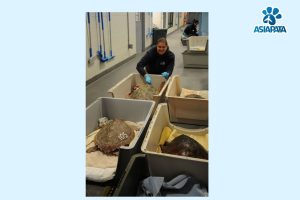
5. How Should Turtles Be Packed for Air Transportation?
Proper packaging protects turtles during their journey. It also helps maintain suitable environmental conditions.
Use a Suitable Transportation Container
The container must be strong and secure. Its size should match the turtle’s body.
It should prevent escape and protect the animal from external impacts.
Ensure Adequate Ventilation
The container needs sufficient airflow. Ventilation openings must also prevent escape and injuries.
Use Appropriate Bedding Materials
Suitable bedding helps keep the container clean. It can also absorb excess moisture.
Materials must be non-toxic and appropriate for the species.
Maintain Suitable Temperature and Humidity
Turtles are sensitive to environmental conditions. Their temperature and humidity requirements vary by species.
The packaging arrangement should help maintain suitable conditions throughout the journey.
Prevent Unnecessary Movement
The turtle should remain secure inside its container. However, it must not be tightly restrained.
Excessive movement can cause stress or injuries during handling.
All packaging must comply with airline requirements. Applicable IATA Live Animals Regulations should also be considered.
6. How to Prepare a Turtle Before an Airplane Journey
Preparation is essential before departure. Owners should check the turtle’s health and transportation conditions.
Here are some important steps.
Check the Turtle’s Health
Arrange a veterinary examination before the flight. Avoid transporting turtles that show signs of illness or injury without veterinary advice.
Understand Feeding Requirements
Feeding schedules depend on the species and journey duration. Consult a veterinarian before making changes to the turtle’s diet.
Prepare the Container Early
Check the container before the shipping date. Make sure it is clean, secure, and suitable for the turtle.
Reduce Environmental Stress
Avoid unnecessary handling before departure. Keep the turtle away from loud noises and sudden environmental changes.
Confirm Shipping Arrangements
Check the flight schedule and airline requirements. Confirm all documents and receiving arrangements before departure.
Good preparation can reduce unnecessary transportation problems.
7. What Are the Risks of Transporting Turtles by Air?
Air transportation can be practical for eligible turtles. However, several risks must be considered.
Temperature Changes
Extreme temperatures can affect turtle health. Poor temperature management may cause serious problems.
Dehydration
Some turtles are sensitive to moisture loss. Unsuitable packaging can increase the risk of dehydration.
Stress During Transportation
Noise, vibration, and handling can cause stress. Long journeys may increase these effects.
Flight Delays
Flight delays can extend transportation time. They may also affect the animal’s environmental conditions.
Documentation Issues
Missing permits can cause shipment delays. Incorrect species information may also lead to legal problems.
Owners should plan carefully. Professional handling can help reduce avoidable risks.
8. How Long Does It Take to Transport Turtles by Air?
Transportation time depends on the destination and flight schedule. Transit arrangements also affect the total journey.
The process usually includes several stages:
Document Preparation: Owners may need time to obtain health certificates and official permits.
Airline Booking: The airline must confirm that it accepts the turtle.
Airport Handling: Staff must complete the required live animal acceptance procedures.
Flight Duration: Direct flights are generally simpler than connecting flights.
Customs Clearance: The destination country may require document checks or veterinary inspections.
Final Delivery: The turtle may need to be collected at the airport or delivered through an approved service.
A direct flight does not guarantee immediate delivery. Customs procedures may take additional time.
Owners should arrange transportation early. This helps avoid last-minute complications.
9. How Much Does It Cost to Transport a Turtle by Air?
The cost depends on several factors. Live animal shipments often involve additional handling expenses.
Destination and Flight Distance
Longer routes may have higher air freight charges. Connecting flights can also increase costs.
Turtle Species and Size
Different species have different requirements. Larger turtles may need bigger transportation containers.
Transportation Container
Specialized packaging may increase the total cost. The container must meet airline requirements.
Documentation and Veterinary Services
Health certificates and official permits may involve additional expenses.
Customs and Quarantine Charges
Some countries require inspections or quarantine procedures. These services may increase the total transportation cost.
Direct Flights and Transit Routes
Direct flights may simplify transportation arrangements. Connecting flights require additional coordination.
Owners should request a quotation before booking. Provide the turtle species, size, departure location, and destination for a more accurate estimate.
10. Can Turtles Be Transported on International Flights?
Yes, some turtles can travel on international flights. However, international transportation involves stricter requirements.
Each country has its own wildlife and animal import regulations. Some species are heavily restricted.
Before arranging a shipment, owners should check:
- CITES regulations.
- Import and export permits.
- Veterinary health requirements.
- Quarantine procedures.
- Airline transportation policies.
- Transit country regulations.
For example, transporting a turtle from Vietnam to Europe may involve different procedures from shipping one to Japan or the United States.
Some destinations also have strict biosecurity regulations. Australia is one example.
Owners should check all requirements before purchasing tickets or booking cargo space.
11. Common Mistakes to Avoid When Shipping Turtles
Many transportation problems result from poor preparation. Owners should avoid the following mistakes.
Assuming All Turtle Species Are Allowed
Not every turtle can travel internationally. Some species are protected by wildlife laws.
Using Ordinary Pet Carriers
Standard pet carriers may not meet reptile transportation requirements.
Ignoring Temperature Requirements
Incorrect temperatures can affect turtle health. Suitable environmental conditions are essential.
Preparing Documents Too Late
Some permits require advance preparation. Late applications can delay the shipment.
Choosing Flights Without Checking Transit Conditions
Connecting flights may involve additional handling. Some airports may not accept live animal shipments.
Failing to Arrange the Receiving Process
Owners should confirm who will receive the turtle. Customs and veterinary procedures should also be arranged in advance.
Avoiding these mistakes makes the process more organized. It also reduces unnecessary risks.
12. What Happens When a Turtle Arrives at Its Destination?
The journey does not end when the aircraft lands. The receiving process is equally important.
Depending on local regulations, the turtle may undergo document verification. Veterinary inspection or quarantine may also be required.
After receiving the turtle, owners should:
- Check for visible injuries.
- Observe its movement and general condition.
- Place it in a suitable environment.
- Provide clean water and appropriate shelter.
- Avoid excessive handling immediately after arrival.
- Contact a veterinarian if unusual symptoms appear.
A quiet environment can help the turtle recover. Owners should also monitor its behavior during the first few days.
13. Can Turtles Be Transported as Air Cargo or Passenger Baggage?
This is a common question among turtle owners.
The available transportation method depends on airline policies. It also depends on the destination country’s regulations.
As Passenger Baggage
Some airlines accept certain animals under specific travel arrangements.
However, many airlines do not allow exotic reptiles in the passenger cabin. Others may not accept them as checked baggage.
Owners should contact the airline before departure. Never assume that a turtle can travel in a personal carrier.
As Air Cargo
Air cargo may be suitable for eligible turtles. It can provide specialized handling and shipping arrangements.
The shipment must meet airline requirements. All necessary permits and documents must also be prepared.
For many international shipments, air cargo offers a structured transportation process.
14. How to Choose a Reliable Turtle Air Transportation Service
Choosing the right transportation provider is important. Owners should consider several factors before making a decision.
Experience with Live Animal Transportation
Choose a provider familiar with reptile transportation. Experience with exotic animals is an advantage.
Understanding of International Regulations
The provider should understand airline policies. They should also guide owners on relevant documentation requirements.
Suitable Packaging Guidance
Proper packaging is essential. The provider should understand ventilation and environmental requirements.
Clear Transportation Information
Owners should receive clear information about the schedule and shipping process.
They should also understand the estimated transit time and additional charges.
Communication and Shipment Updates
Regular updates help owners follow the shipment. They also make receiving arrangements easier.
An experienced transportation partner can help coordinate each stage of the journey.
15. Can Baby Turtles Travel by Air?
Baby turtles may be eligible for air transportation in certain circumstances. However, they require extra attention.
Young turtles may be more vulnerable to environmental changes. They can also be sensitive to dehydration and transportation stress.
Before booking a flight, owners should:
- Confirm the turtle’s species and legal status.
- Check the minimum age requirements, if applicable.
- Arrange a veterinary examination.
- Prepare suitable packaging.
- Confirm airline acceptance.
- Check all import and export requirements.
Owners should not transport baby turtles without proper preparation.
16. How to Transport Turtles During Hot or Cold Weather?
Weather conditions can affect live animal transportation. Extreme heat and cold may create additional risks.
During hot weather, excessive temperatures can cause overheating. During cold weather, unsuitable conditions may affect the turtle’s normal body functions.
Owners should consider the following:
During Hot Weather
Avoid unnecessary exposure to direct sunlight. Use appropriate packaging and follow airline temperature requirements.
During Cold Weather
Check the expected temperatures throughout the journey. Make sure the transportation arrangement is suitable for the species.
During Seasonal Changes
Airport temperatures may differ from outdoor conditions. Transit times should also be considered.
Temperature management must follow species-specific veterinary guidance. Owners should not use unapproved heating or cooling devices inside the container.
17. Frequently Asked Questions About Transporting Turtles by Air
Can I take my pet turtle on a passenger airplane?
It depends on the airline. Some airlines may accept certain animals under specific conditions. Others only accept them as air cargo.
Do turtles need a health certificate to fly internationally?
A veterinary health certificate may be required. The exact requirements depend on the destination country.
Do all turtles need CITES permits?
No. CITES requirements depend on the species and its listing under the Convention.
Can turtles travel on long-haul flights?
Some turtles may be eligible for long-haul transportation. However, temperature, ventilation, and journey duration must be carefully considered.
Should turtles be placed in water during an airplane journey?
Not necessarily. The correct packaging method depends on the species. A container filled with water may create additional safety risks.
Can turtles travel without their owners?
Yes, eligible turtles may be transported as live animal cargo without their owners. All airline and legal requirements must still be met.
What should I do if my turtle becomes weak after a flight?
Place the turtle in a suitable environment. Contact a veterinarian experienced in reptile care as soon as possible.
18. Conclusion: Is Air Transportation Safe for Turtles?
Turtles can travel by airplane under certain conditions. However, each shipment requires careful planning.
Owners must identify the species correctly. They must also prepare the required documents and suitable packaging.
Temperature, ventilation, and handling are important factors. International wildlife regulations must also be followed.
Every turtle has different needs. Therefore, transportation methods should be selected according to the individual species.
If you plan to transport a turtle internationally, start preparing early. This can help reduce delays and avoid unnecessary complications.
AsiapaTa – Professional Pet Transportation Solutions
AsiapaTa understands the importance of careful preparation when transporting animals. Choosing the right transportation method can help make the journey safer and more organized.
Contact AsiapaTa for more information about pet transportation and international animal shipping services.
Xem thêm: OLDER OR YOUNGER PETS: WHICH ARE BETTER SUITED FOR AIR TRAVEL?
Xem thêm: Why Are More International Airports Building Pet Relief Areas?
Xem thêm: Guinea Pigs – Adorable Small Pets That Are Easy to Care For
