


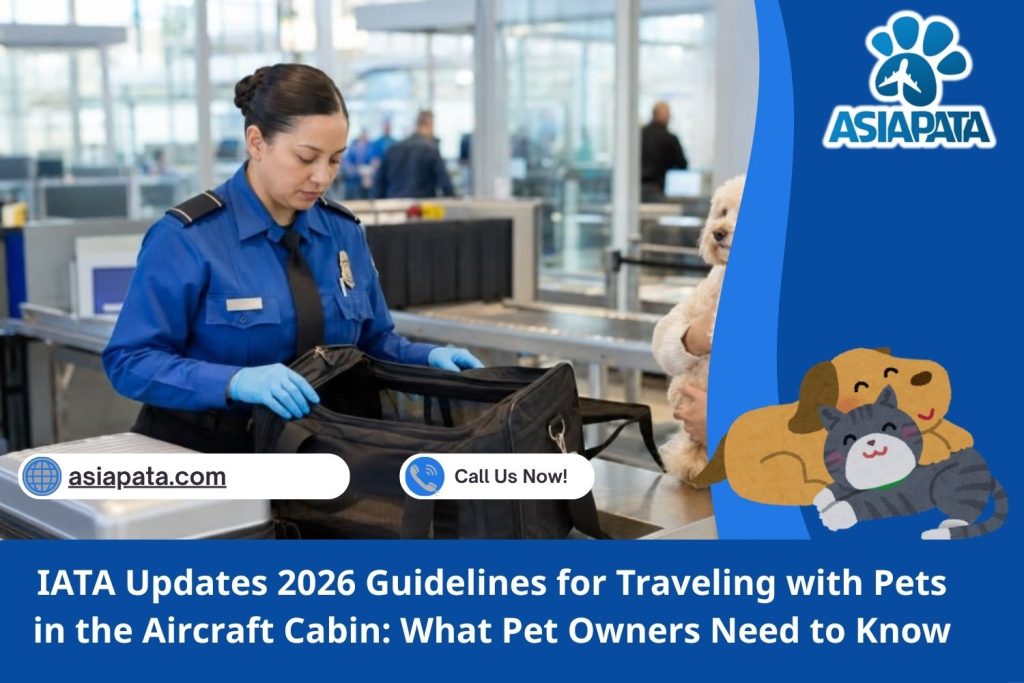
IATA Updates 2026 Guidelines for Traveling with Pets in the Aircraft Cabin: What Pet Owners Need to Know
Traveling with pets by air has become increasingly popular. Many people want to bring their dogs and cats when relocating, studying, working, or taking international trips. However, flying with animals requires careful preparation. Pet owners must consider airline policies, health requirements, travel documents, and animal welfare.
In 2026, the International Air Transport Association (IATA) continues to provide important industry standards for the transportation of live animals. These standards help airlines and other service providers maintain appropriate handling practices. They also help promote animal safety during transportation.
For pet owners, understanding these requirements is essential. Proper preparation can reduce travel risks. It can also prevent unnecessary delays at the airport.

1. Understanding IATA’s Guidelines for Traveling with Pets in the Cabin
The International Air Transport Association (IATA) provides guidance on the transportation of live animals. Its Live Animals Regulations (LAR) cover important aspects of animal transportation. These include handling procedures, container requirements, and animal welfare considerations.
However, cabin travel is not governed by one universal policy. Each airline establishes its own rules. These rules depend on aircraft configuration, cabin space, and operational safety.
Common requirements may include:
- Pets must travel in an approved carrier.
- The carrier must fit under the seat in front of the passenger.
- Pets must remain inside their carriers during the flight.
- The animal must have enough space to move comfortably.
- The carrier must provide adequate ventilation.
- The pet must be healthy and suitable for air travel.
Some airlines allow only cats and small dogs in the cabin. Others may have additional restrictions. Therefore, passengers should confirm all conditions before booking.

2. What Is the Difference Between Cabin Travel and Cargo Transportation?
Pet owners often confuse cabin transportation with air cargo services. These methods have different procedures. They also involve different requirements.
Cabin transportation allows eligible pets to travel with their owners. The animal stays inside an approved carrier. The carrier is placed under the passenger’s seat.
Air cargo transportation follows a different process. Pets are transported through designated cargo handling procedures. This option may be suitable for larger animals. It may also be necessary when the airline does not allow pets in the cabin.
The main differences include:
Cabin transportation:
- Suitable for eligible small pets.
- The owner travels on the same flight.
- The carrier remains in the passenger cabin.
- Strict size and weight limits may apply.
Air cargo transportation:
- Suitable for pets that cannot travel in the cabin.
- Requires separate cargo arrangements.
- May involve additional documentation.
- Requires suitable transport containers.
- May involve different handling and collection procedures.
The most appropriate option depends on the pet’s size, breed, health, destination, and airline policy.
3. Choosing the Right Pet Carrier for Air Travel
A suitable carrier is essential for a safe journey. It protects the animal during transportation. It also helps prevent unexpected movement inside the cabin.
Pet owners should select a carrier that meets airline requirements. The carrier should be strong and secure. It should also provide enough space for the animal.
Important features include:
- Adequate ventilation.
- A secure locking system.
- A waterproof and absorbent bottom.
- Durable and non-toxic materials.
- Sufficient space for comfortable movement.
- Easy access for inspection when required.
Soft-sided carriers are accepted by some airlines. They can be easier to place under passenger seats. However, not every airline accepts the same carrier type.
Owners should measure their pets before purchasing a carrier. They should also check the airline’s maximum dimensions. A carrier that is too large may be refused at check-in.
4. Understanding Pet Size and Weight Restrictions
Pet size is one of the most important factors in cabin transportation. Airlines usually establish specific weight limits. These limits may include the combined weight of the animal and carrier.
Some airlines also impose restrictions on carrier height and width. These requirements are related to the available space under passenger seats.
Pet owners should not rely on general information from other airlines. Each carrier may have different regulations. Aircraft types may also affect the available space.
Before departure, passengers should confirm:
- Maximum pet weight.
- Maximum carrier dimensions.
- Accepted pet species.
- Number of pets permitted per passenger.
- Available cabin pet spaces.
- Additional transportation fees.
Checking these details early can prevent problems during airport check-in.
5. Health and Veterinary Requirements Before Departure
A pet’s health is an important consideration. Air travel may create physical and psychological stress. Animals with certain health conditions may require additional assessment.
Pet owners should arrange a veterinary examination before departure. A veterinarian can evaluate the animal’s condition. They can also advise whether the pet is suitable for the planned journey.
Common health requirements may include:
- A veterinary health certificate.
- Valid rabies vaccination records.
- Microchip identification.
- Required parasite treatments.
- Additional vaccinations.
- Blood tests, when applicable.
Requirements depend on the destination country. Some countries have strict import regulations. Others require specific waiting periods before entry.
Owners should not wait until the last few days to prepare these documents. Some procedures take several weeks or months.
6. International Pet Travel Documents: What Should Owners Prepare?
Documentation is one of the most important parts of international pet transportation. Missing documents can cause serious problems. Pets may be denied boarding or refused entry into the destination country.
The required documents vary by destination. However, several documents are commonly requested.
Pet Health Certificate
This document confirms the animal’s health status. It is usually issued or endorsed by an authorized veterinary authority.
Rabies Vaccination Certificate
Many countries require valid rabies vaccination records. Some destinations also require a waiting period after vaccination.
Microchip Identification
A microchip helps identify the animal. Certain destinations require an approved microchip standard. The identification number must match the travel documents.
Import Permit
Some countries require an import permit before the pet arrives. Owners may need to apply through the relevant government authority.
Additional Testing and Treatment Records
Certain destinations require blood tests or parasite treatments. The timing of these procedures is important.
Pet owners should check the latest official regulations. They should also verify whether original documents are required.
7. Special Considerations for Short-Nosed Dog and Cat Breeds
Some animals require additional attention during air travel. Short-nosed breeds are an important example.
These breeds are also known as brachycephalic animals. They have shorter facial structures. This can affect their breathing.
Common examples include:
- Pugs.
- French Bulldogs.
- English Bulldogs.
- Persian cats.
- Exotic Shorthair cats.
- Boston Terriers.
Some of these animals may have difficulty breathing under stressful conditions. High temperatures can increase the risk. Long travel times may also create additional challenges.
Airlines may impose restrictions on certain breeds. Some may refuse transportation under specific conditions.
Owners should consult a veterinarian before making travel arrangements. They should also contact the airline directly. The animal’s health should always be the priority.
8. How to Prepare Your Pet for Its First Flight
A first flight can be unfamiliar for many animals. New sounds and environments may cause anxiety. The airport can also be overwhelming.
Preparation should begin before the departure date. Owners should gradually introduce their pets to the travel carrier.
Here are several useful steps:
Introduce the Carrier Early
Place the carrier in a familiar area. Allow the pet to explore it freely. Use treats and familiar toys to create positive associations.
Practice Short Periods Inside the Carrier
Encourage the pet to spend short periods inside. Gradually increase the duration. This helps the animal become more comfortable.
Maintain Familiar Routines
Keep feeding and sleeping schedules consistent. Avoid unnecessary changes before departure.
Prepare Familiar Items
A familiar blanket may help reduce anxiety. However, all items must comply with airline requirements.
Arrange a Veterinary Check
A health examination can identify potential concerns. It also provides an opportunity to discuss travel preparation.
9. Feeding and Hydration Before an Airplane Journey
Food and water management require careful attention. Feeding too much immediately before departure may cause discomfort. Some pets may experience nausea during travel.
Owners should ask their veterinarian about an appropriate feeding schedule. The schedule should consider the animal’s age and health.
Fresh water should be available before departure. Suitable water containers may also be needed during transportation.
Pet owners should consider these points:
- Avoid sudden changes in diet.
- Do not introduce unfamiliar food before the flight.
- Provide access to fresh water.
- Avoid excessive feeding immediately before departure.
- Follow veterinary advice for animals with special dietary needs.
The goal is to keep the pet comfortable. Every animal has different needs. Therefore, feeding arrangements should be adjusted accordingly.
10. Can Pets Travel on Connecting Flights?
International journeys often involve connecting flights. This can make pet transportation more complicated.
A connecting flight may require passengers to change aircraft. Some routes also involve changing airlines. Each airline may have different pet policies.
Pet owners should check whether the animal is accepted on every flight segment. They should also confirm whether the connection airport has additional requirements.
Important considerations include:
- Transit country regulations.
- Airline acceptance on connecting flights.
- Minimum connection time.
- Airport handling procedures.
- Additional veterinary or transit documents.
- Restrictions on international transfers.
Some countries may require special transit authorization. Others may treat certain transit situations as an import process.
Owners should avoid booking complicated routes without checking these conditions. A direct flight may be more convenient when available.
11. What Happens During Airport Check-In?
Airport check-in is an important stage of the journey. Airline staff may inspect the pet and its carrier. They may also verify the required documents.
Passengers should arrive earlier than usual. This allows enough time for additional checks.
The process may include:
- Confirming the pet’s reservation.
- Checking the animal’s identification.
- Reviewing health and travel documents.
- Measuring or inspecting the carrier.
- Checking the combined pet and carrier weight.
- Confirming compliance with airline policies.
- Completing any additional procedures.
Pet owners should keep all documents easily accessible. They should also ensure that the carrier is ready for inspection.
12. Common Reasons Airlines May Refuse Pet Transportation
Meeting basic travel requirements does not guarantee boarding. Airlines may refuse transportation when safety or regulatory conditions are not satisfied.
Common reasons include:
- The pet exceeds the permitted weight limit.
- The carrier does not meet airline requirements.
- Required documents are missing.
- The pet appears unfit for travel.
- The airline has reached its cabin pet capacity.
- The animal belongs to a restricted breed category.
- The passenger has not completed the required booking procedure.
Some restrictions may also apply to specific routes. Aircraft changes can affect pet acceptance.
Owners should confirm all details before departure. This can reduce the risk of last-minute refusal.
13. What Should Pet Owners Do If Their Pet Becomes Stressed During Travel?
Stress can affect animals in unfamiliar environments. Some pets may become restless. Others may remain unusually quiet.
Common signs of stress include:
- Excessive panting.
- Frequent vocalization.
- Trembling.
- Restlessness.
- Hiding or avoiding interaction.
- Excessive salivation.
- Loss of appetite.
Owners should remain calm. They should avoid opening the carrier during the flight. This could create a safety risk.
If the animal shows serious symptoms, passengers should inform the cabin crew. They should follow the crew’s instructions.
After arrival, owners should monitor the pet. Veterinary assistance may be necessary if unusual symptoms continue.
14. Important Airline Policy Differences in 2026
Pet transportation policies are not identical across airlines. Some carriers accept small pets in the cabin. Others only provide specific transportation options.
Policies may also change over time. New aircraft configurations can affect available cabin space. Operational restrictions may influence pet acceptance.
Before booking, passengers should verify:
- Whether pets are accepted on the selected route.
- Whether the airline allows the specific breed.
- Whether cabin transportation is available.
- The maximum permitted weight and carrier size.
- The required booking procedure.
- Applicable fees and additional services.
Owners should obtain confirmation directly from the airline. General online information may not reflect the latest operating rules.
15. How ASIAPATA Supports International Pet Transportation
International pet transportation involves several stages. Each stage requires careful coordination. Owners must consider animal welfare, airline regulations, and destination requirements.
ASIAPATA supports pet owners who need assistance with international transportation arrangements.
Depending on the route and individual requirements, support may include:
- Consultation on international pet transportation.
- Guidance on airline transportation options.
- Advice on suitable pet carriers.
- Assistance with travel document preparation.
- Guidance on veterinary and import requirements.
- Coordination of transportation procedures.
- Support with route planning and travel arrangements.
Every pet has different transportation needs. A small cat may have different requirements from a large dog. A short international flight may also involve different considerations from a long-distance journey.
For this reason, each case should be assessed individually. Early preparation is highly recommended.
16. Checklist Before Flying Internationally with Your Pet
A checklist can help owners organize the preparation process. It can also reduce the risk of missing important requirements.
Before departure, make sure you have:
- Confirmed the airline’s pet transportation policy.
- Reserved a suitable space for your pet.
- Selected an approved carrier.
- Checked the pet’s health condition.
- Prepared vaccination records.
- Arranged the required health certificate.
- Checked microchip requirements.
- Obtained an import permit, if necessary.
- Reviewed transit country regulations.
- Prepared suitable food and water arrangements.
- Confirmed airport check-in procedures.
- Contacted the airline before departure.
Owners should keep digital and physical copies of important documents. This can make document checks easier.
Conclusion
Traveling with pets in the aircraft cabin requires careful planning. IATA provides important industry guidance for live animal transportation. However, individual airlines establish their own cabin pet policies.
Pet owners should understand the difference between industry standards and airline-specific requirements. They should also check the destination country’s import regulations.
Choosing the right carrier is important. Preparing health documents is equally essential. Veterinary advice can help identify potential travel risks.
Early preparation makes the process easier. It also helps reduce unexpected problems during the journey.
If you are planning to transport your dog or cat internationally, ASIAPATA can help you understand the necessary procedures. Contact ASIAPATA for guidance on your pet’s transportation arrangements and travel requirements.
Xem thêm: CAN TURTLES TRAVEL BY AIR? COMPLETE GUIDE TO SAFE AIR TRANSPORTATION
Xem thêm: OLDER OR YOUNGER PETS: WHICH ARE BETTER SUITED FOR AIR TRAVEL?
Xem thêm: Why Are More International Airports Building Pet Relief Areas?
