


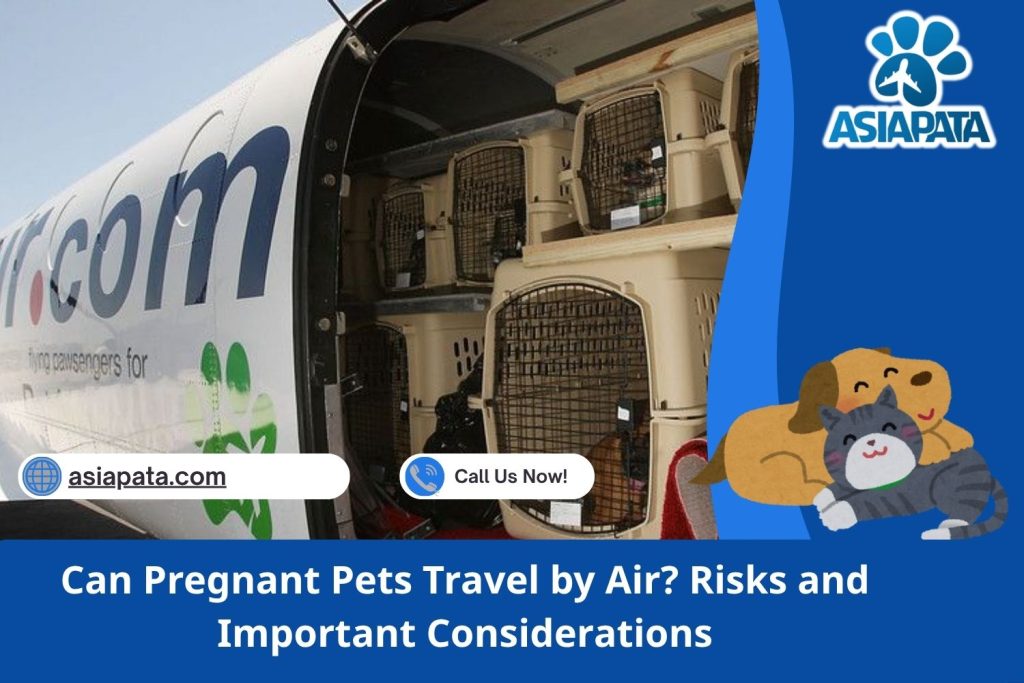
Can Pregnant Pets Travel by Air? Risks and Important Considerations
Air transportation is a common choice for international pet relocation. It helps owners move their animals across long distances. However, transporting pregnant pets requires extra attention.
Pregnancy changes an animal’s physical condition. It can also affect its ability to handle stress and environmental changes. Airport noise, temperature fluctuations, and long waiting periods may create additional challenges.
Many pet owners wonder whether pregnant dogs and cats can travel by air. The answer depends on several factors. These include the pregnancy stage, the animal’s health, and the airline’s transportation policy.
Before arranging any flight, owners should understand the possible risks. They should also consult a veterinarian and check all transportation requirements.
1. Can Pregnant Dogs and Cats Travel by Air?
Pregnant dogs and cats may face additional challenges during air transportation. Not all airlines accept animals during pregnancy. Some carriers have strict restrictions based on the expected delivery date.
The main concern is the health of the mother and her unborn babies. Air travel involves several stages. These include airport arrival, document inspection, check-in, handling, loading, and unloading.
Each stage may expose the animal to unfamiliar conditions. Long journeys can also make it difficult to monitor the pet continuously.
The decision to transport a pregnant pet should never depend on the owner’s preference alone. A veterinarian must evaluate the animal’s condition first.
Owners should also contact the airline directly. They need to confirm whether pregnant animals are accepted. Written confirmation is advisable before booking.
2. Major Risks of Air Transportation for Pregnant Pets
Pregnant animals have different physical needs from healthy adult pets. Air transportation may create several risks.
2.1 Stress and Anxiety During the Journey
Airports are busy environments. They contain unfamiliar sounds, people, and smells. Aircraft noise may also cause anxiety.
Some pets become restless in unfamiliar surroundings. Others may refuse food or show unusual behavior.
Pregnancy can make these situations more difficult. Stress may affect the animal’s comfort and general condition.
Owners should avoid unnecessary movement and sudden environmental changes. They should also discuss stress management with a veterinarian before travel.
2.2 Temperature and Environmental Changes
Temperature control is important during animal transportation. Pregnant pets may be more vulnerable to environmental stress.
Airport waiting areas, cargo facilities, and aircraft compartments must follow applicable animal handling requirements. However, transportation may still involve exposure to changing conditions.
Excessive heat can cause dehydration and overheating. Cold environments may also create discomfort.
Owners should ask about temperature management throughout the journey. They should also confirm whether the airline has specific restrictions for pregnant animals.
2.3 Dehydration and Reduced Physical Comfort
Long-distance transportation can make normal drinking and movement more difficult. Pets may also experience discomfort from remaining inside a travel crate.
Pregnant animals need suitable hydration and nutrition. Their nutritional requirements may change during pregnancy.
Dehydration can affect their physical condition. It may also make existing health problems worse.
Owners should discuss feeding and hydration arrangements with a veterinarian. They should not make sudden changes to the pet’s diet before departure.
2.4 Risk of Premature Labor
Premature labor is one of the most serious concerns. Transportation stress may contribute to complications in vulnerable animals.
Giving birth during a flight creates significant challenges. The aircraft may not have suitable facilities for delivery. Veterinary assistance may also be unavailable.
Newborn puppies and kittens need immediate care. They require warmth, feeding, and close monitoring.
An unexpected delivery may put both the mother and her babies at risk. This is why late-pregnancy transportation requires particular caution.
2.5 Pregnancy-Related Medical Complications
Pregnancy can involve several health conditions. Some animals may develop reduced appetite, fatigue, or other symptoms.
Certain pets may also have underlying medical problems. These conditions can become more difficult to manage during a long journey.
Air travel may delay access to veterinary care. This is especially concerning during international flights with multiple connections.
A pre-travel examination helps identify potential problems. Owners should provide the veterinarian with complete information about the planned journey.
2.6 Limited Access to Veterinary Assistance
Pets transported as cargo may not have direct access to veterinary care during the flight.
Airline staff follow established animal handling procedures. However, they are not a replacement for veterinary professionals.
An emergency during transportation can be difficult to manage. This includes unexpected labor, breathing problems, or severe physical distress.
Owners should consider this limitation before making a decision. The longer the journey, the more important careful risk assessment becomes.
3. How Does the Pregnancy Stage Affect Air Travel?
The stage of pregnancy is an important factor. However, there is no universal travel period that guarantees safety.
Dogs and cats have different reproductive characteristics. Individual health conditions can also affect transportation decisions.
3.1 Early Pregnancy
Early pregnancy may involve several physical changes. Some animals experience nausea, fatigue, and reduced appetite.
These symptoms can affect their ability to adapt to unfamiliar environments. Long-distance travel may increase discomfort.
Owners should arrange a veterinary examination before considering a flight. The veterinarian can assess the pregnancy and identify possible complications.
3.2 Middle Pregnancy
Some animals may have a more stable physical condition during this period. However, this does not mean that air travel is automatically safe.
The animal still requires suitable care. Owners should consider the flight duration, airport waiting time, and transportation arrangements.
A veterinarian should evaluate the animal individually. Airline acceptance must also be confirmed.
3.3 Late Pregnancy
Late pregnancy presents greater transportation challenges. The animal may experience increased physical discomfort.
The risk of labor during the journey is also a major concern. Unexpected delivery can create an emergency for the mother and her babies.
Many airlines apply restrictions to animals close to their expected delivery date. Some may refuse pregnant animals entirely.
Owners should avoid arranging unnecessary flights during this period. Postponing transportation is often the more cautious option.
4. Airline Regulations for Transporting Pregnant Pets
Airline regulations play an important role in international pet transportation. Each carrier may have different acceptance conditions.
Some airlines do not accept pregnant animals. Others may require additional veterinary documents.
The restrictions may depend on the animal’s species and pregnancy stage. The intended route can also affect the requirements.
Before booking, owners should ask the airline about:
- Whether pregnant dogs and cats are accepted.
- Restrictions based on the expected delivery date.
- Required veterinary health certificates.
- Special crate and handling requirements.
- Temperature restrictions during transportation.
- Rules for transit and connecting flights.
- Procedures for unexpected health problems.
Owners should not assume that an airline’s general pet policy applies to pregnant animals.
They should also check the rules of every country involved. Transit countries may have additional animal import requirements.
5. Essential Documents for International Transportation
International pet shipping requires proper documentation. Pregnant animals may need additional veterinary assessment.
The required documents depend on the destination country. Owners should prepare them well before the departure date.
5.1 Veterinary Health Certificate
A veterinary health certificate provides information about the animal’s condition.
It may confirm that the pet has undergone a medical examination. The document may also contain vaccination and identification details.
For pregnant animals, additional information may be necessary. This can include pregnancy status and an assessment of fitness to travel.
The certificate must meet the requirements of the destination country and airline.
5.2 Vaccination Records
Vaccination records are important for international animal movement.
Rabies vaccination is a common entry requirement in many countries. Other vaccinations may also be required.
The validity period and timing can differ between destinations. Owners should check these details before arranging transportation.
5.3 Microchip Identification
Many countries require pets to have an identification microchip.
The microchip helps connect the animal to its travel documents. It also supports identification during inspection.
Owners should check whether the microchip meets the destination country’s technical standards.
5.4 Import Permits and Additional Certificates
Some countries require import permits before an animal arrives.
Additional documents may include vaccination declarations, parasite treatment records, and veterinary inspection certificates.
Certain animal species may also be subject to special wildlife regulations. CITES documents may apply to protected species.
Owners should contact the relevant authorities to confirm the exact requirements.
6. How to Prepare a Pregnant Pet Before an International Flight
Proper preparation can help reduce unnecessary risks. Owners should begin planning well before departure.
6.1 Arrange a Complete Veterinary Examination
A veterinary examination should be the first step.
The veterinarian can assess the pregnancy stage and general health. They can also identify possible complications.
Owners should provide details about the planned route. This includes flight duration, transit time, and destination.
The veterinarian can then advise whether transportation is appropriate. Owners should follow professional medical advice.
6.2 Confirm Airline Acceptance Before Booking
Contact the airline before purchasing tickets.
Ask for its specific policy on pregnant animals. Explain the pet’s species and expected delivery date.
Some airlines may require written veterinary confirmation. Others may refuse transportation regardless of medical approval.
Always obtain clear information before making further arrangements.
6.3 Select the Most Suitable Flight
Flight selection is important for animal welfare.
Direct flights may reduce transit time and handling procedures. They can also limit exposure to unfamiliar environments.
However, a direct flight does not guarantee a safe journey. The pet’s health remains the main consideration.
Owners should avoid unnecessary connections. They should also consider airport waiting times and possible delays.
6.4 Choose an Appropriate Travel Crate
The travel crate must comply with applicable airline requirements.
It should provide enough space for the animal to stand, turn around, and lie down naturally.
The crate should have suitable ventilation. Its structure must also be strong and secure.
Owners should introduce the crate gradually before travel. This helps the pet become familiar with the space.
Never force a pregnant animal into an unsuitable or restrictive container.
6.5 Prepare Food and Water Arrangements
Feeding arrangements should be discussed with a veterinarian.
Large meals immediately before departure may cause discomfort in some animals. However, prolonged fasting may also be unsuitable.
Owners should follow professional instructions. They should also ask the airline about approved water containers.
The animal’s feeding schedule should remain as consistent as possible.
6.6 Avoid Unapproved Medication
Some owners consider sedatives to reduce anxiety during flights.
However, medication can affect breathing, circulation, and the animal’s ability to respond to its surroundings.
Pregnant pets require particular caution. Never administer sedatives or other medication without veterinary approval.
The veterinarian should assess any proposed medication before travel.
7. Warning Signs Owners Should Watch for Before Travel
Owners should monitor their pets carefully before departure.
Certain symptoms may indicate that the animal needs medical attention.
Important warning signs include:
- Unusual weakness or extreme fatigue.
- Persistent vomiting or refusal to eat.
- Difficulty breathing.
- Unusual vaginal discharge or bleeding.
- Signs of abdominal pain.
- Restlessness or repeated signs of discomfort.
- Contractions or other signs of labor.
These symptoms should not be ignored. Owners should contact a veterinarian immediately if they appear.
The flight should not proceed until the animal has received an appropriate medical assessment.
8. What Happens If a Pregnant Pet Is Refused at the Airport?
Airline staff may refuse an animal that does not meet transportation requirements.
This may happen when documents are incomplete. It may also occur when the pet’s condition creates a safety concern.
Pregnancy-related restrictions can also result in refusal.
If this happens, owners should remain calm. They should contact the airline and request an explanation.
The next steps may include:
- Reviewing the airline’s refusal reason.
- Checking whether additional documents are required.
- Arranging a veterinary examination.
- Rescheduling the flight if permitted.
- Finding an alternative transportation arrangement.
- Postponing the journey until a suitable time.
Owners should avoid trying to bypass airline regulations. These rules help protect animal welfare and transportation safety.
9. Should Owners Choose Air Cargo or Accompanied Pet Travel?
Pet transportation arrangements vary by airline and route.
Some airlines allow eligible pets to travel with passengers. Others require animals to be transported through cargo services.
The available option depends on the animal’s species, size, health, and destination.
For pregnant animals, neither option should be considered automatically safe.
Owners should ask about the level of supervision and handling procedures. They should also confirm whether the airline accepts pregnant animals under the selected service.
The most important factor is the animal’s medical condition. A veterinarian should guide the decision.
10. What Are the Alternatives to Flying with a Pregnant Pet?
If air travel is not recommended, owners should consider other arrangements.
10.1 Postpone the Journey
Postponing travel may be the safest option in many situations.
Owners can wait until the pet has given birth and recovered. The mother and newborn animals can then receive appropriate medical care.
However, newborn puppies and kittens may also face travel restrictions. They should not be transported without checking their age and health requirements.
10.2 Consider Suitable Ground Transportation
Ground transportation may be an alternative for shorter routes.
It allows owners to plan rest stops and monitor the animal more closely. However, long road journeys can still cause stress and physical discomfort.
Temperature control, ventilation, and access to water remain important.
A veterinarian should assess the suitability of this option.
10.3 Arrange Temporary Care
Sometimes, leaving the pregnant pet in a safe environment is a better solution.
Owners may arrange care with a trusted person or professional facility. The pet can remain under supervision until it is ready to travel.
This option can reduce unnecessary transportation risks.
11. Common Mistakes When Transporting Pregnant Pets
Many transportation problems result from insufficient preparation.
Owners should avoid the following mistakes:
Booking a flight without checking airline regulations
Not all airlines accept pregnant animals. Early confirmation helps prevent unexpected refusal.
Ignoring the pregnancy stage
The expected delivery date is important. Owners should provide accurate information to the airline and veterinarian.
Preparing documents at the last minute
International transportation may involve several authorities. Missing documents can delay or prevent departure.
Choosing flights based only on price
A low-cost flight may involve long transit periods. Owners should consider the entire journey and animal welfare.
Using medication without veterinary advice
Unapproved medication can create additional health risks. Pregnant animals need individual medical assessment.
Ignoring unusual symptoms
Changes in behavior may indicate a health problem. A veterinary examination is necessary when warning signs appear.
12. How ASIAPATA Supports International Pet Transportation
International pet transportation requires careful coordination. It involves veterinary preparation, airline regulations, and destination requirements.
ASIAPATA understands that every animal has different transportation needs. Pregnant pets require an especially careful assessment.
The transportation consultation process may cover several important areas:
12.1 Understanding the Pet’s Condition
Owners should provide basic information about the animal.
This includes species, breed, age, pregnancy status, and expected delivery date.
The planned destination and travel schedule are also important. These details help identify relevant transportation requirements.
12.2 Checking Airline and Route Requirements
Different airlines have different animal acceptance policies.
ASIAPATA can assist with checking relevant transportation conditions. Owners should confirm the final acceptance decision directly with the airline.
12.3 Supporting Document Preparation
International pet shipping may require several documents.
ASIAPATA can provide guidance on relevant paperwork and transportation procedures. Requirements must be checked against the destination country’s regulations.
12.4 Coordinating Transportation Arrangements
A suitable transportation plan should consider the entire journey.
This includes flight schedules, airport procedures, transit arrangements, and handling requirements.
The goal is to reduce unnecessary delays and avoid unsuitable transportation conditions.
12.5 Prioritizing Animal Welfare
Animal welfare should remain the main priority.
Transportation arrangements should only proceed when the relevant medical and airline requirements are satisfied.
Professional coordination cannot replace veterinary approval. The health of the mother and her unborn babies must come first.
13. Frequently Asked Questions About Flying with Pregnant Pets
Can a pregnant dog travel on an airplane?
It depends on the dog’s pregnancy stage, health condition, and airline policy. Some airlines refuse pregnant dogs. A veterinarian should assess the dog before any flight.
Can a pregnant cat travel internationally?
Some airlines may restrict pregnant cats. International transportation also requires compliance with destination regulations. Owners should check all requirements in advance.
Can pregnant pets travel in the cargo hold?
Acceptance depends on the airline and its animal transportation policy. Some carriers do not accept pregnant animals in any transportation category.
Is it safe for a pregnant dog to take a long flight?
Long flights may increase stress and physical discomfort. They may also delay access to veterinary care. A veterinarian must assess the risks before travel.
Can a pet give birth during a flight?
Yes, unexpected labor may occur during transportation. This can create a serious emergency. The aircraft may not have suitable facilities or veterinary assistance.
Should pregnant pets take sedatives before flying?
Owners should never give sedatives without veterinary approval. Medication may create additional risks during pregnancy.
What should owners do if their pet becomes ill before departure?
Contact a veterinarian immediately. Do not proceed with the flight until the animal has been assessed. Inform the airline if the travel plan needs to change.
14. Final Considerations
Transporting pregnant pets by air requires careful planning. Pregnancy can make animals more sensitive to stress and environmental changes.
The main risks include dehydration, physical discomfort, temperature changes, and unexpected labor. These concerns become more serious during long-distance journeys.
Owners should arrange a veterinary examination before booking a flight. They must also check airline restrictions and international entry requirements.
In some cases, postponing transportation is the most responsible decision. The health of the mother and her unborn babies should always come first.
For international pet transportation guidance, ASIAPATA can assist owners with relevant requirements and transportation arrangements. Every journey should be planned with care, safety, and animal welfare in mind.
Xem thêm: CAN TURTLES TRAVEL BY AIR? COMPLETE GUIDE TO SAFE AIR TRANSPORTATION
Xem thêm:Why Are More International Airports Building Pet Relief Areas?
