


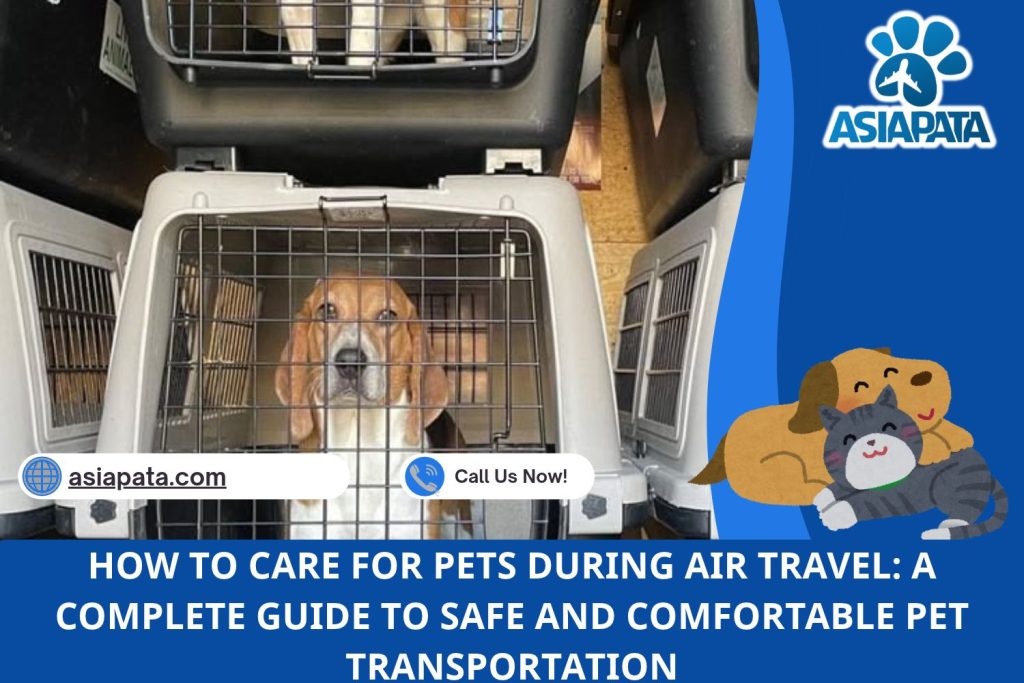
HOW TO CARE FOR PETS DURING AIR TRAVEL: A COMPLETE GUIDE TO SAFE AND COMFORTABLE PET TRANSPORTATION
Air travel is a convenient way to transport pets over long distances. However, flying can be stressful for animals. Loud noises, temperature changes, and unfamiliar surroundings may affect their comfort.
Dogs, cats, rabbits, and other animals have different transportation needs. Some adapt quickly, while others may experience anxiety or discomfort.
Proper preparation is essential for a safe journey. Pet owners should understand how to prepare their animals, choose suitable carriers, and maintain their health during transportation. This guide provides practical tips for caring for pets before, during, and after a flight.
1. Choose an Appropriate Pet Carrier
A suitable carrier helps protect pets during air transportation. It also provides a secure space throughout the journey.
The carrier should match the animal’s size and species. Pets need enough room to stand, turn around, and lie down naturally. Good ventilation is also essential.
When choosing a carrier, consider these factors:
- Size: Provide enough space for comfortable movement.
- Ventilation: Choose a carrier with sufficient airflow.
- Security: Ensure that doors and locks are strong and reliable.
- Material: Select durable materials that meet airline requirements.
- Comfort: Use absorbent bedding to keep the pet dry and comfortable.
Always check the airline’s carrier requirements before booking. Different airlines may have different size and safety standards.
2. Prepare Your Pet Before Departure
Preparation helps pets become familiar with the transportation process. It also reduces anxiety during the flight.
Introduce the carrier at home before departure. Allow your pet to explore it naturally. Gradually increase the time spent inside.
Pet owners should also:
- Maintain regular feeding and sleeping schedules.
- Let pets become familiar with their carriers.
- Provide appropriate exercise before departure.
- Check their general health and behavior.
- Prepare all required travel documents.
- Consult a veterinarian when necessary.
Avoid making sudden changes to your pet’s daily routine. A familiar environment can help animals feel more secure.
3. Schedule a Veterinary Health Check
A veterinary examination is important before air travel. It helps determine whether a pet is healthy enough to fly.
A veterinarian can check the animal’s physical condition and vaccination history. They can also identify potential health risks.
Some pets need additional attention. These include very young animals, elderly pets, pregnant animals, and those with respiratory or heart conditions.
During the examination, discuss:
- General health and fitness for air travel.
- Vaccination and parasite prevention.
- Health certificates and medical records.
- Possible risks during long-distance transportation.
- Special feeding and hydration requirements.
Not every animal is suitable for flying. A professional health assessment can help owners make the right decision.
4. Provide Proper Food and Water
Nutrition and hydration are essential for animal health. Changes in feeding schedules may cause discomfort during transportation.
Avoid giving pets a large meal immediately before departure. Follow a feeding schedule recommended by your veterinarian.
Clean drinking water should be available whenever permitted by the airline. Suitable water containers may also be necessary for longer journeys.
Important considerations include:
- Provide familiar food before departure.
- Avoid excessive feeding before the flight.
- Ensure adequate hydration.
- Prepare suitable water containers.
- Follow airline instructions for food and water.
Pets with special dietary needs may require an individual feeding plan.
5. Maintain a Comfortable Temperature and Environment
Temperature control is important during air transportation. Pets can be sensitive to extreme heat and cold.
A comfortable environment helps reduce physical stress. It also supports the animal’s overall well-being.
Pet owners should pay attention to the following:
- Avoid prolonged exposure to direct sunlight.
- Use clean and absorbent bedding.
- Keep ventilation openings unobstructed.
- Avoid unnecessary objects inside the carrier.
- Follow airline instructions for temperature-sensitive animals.
For pets traveling in the cargo compartment, confirm that the airline has appropriate live animal transportation procedures.
6. Reduce Stress and Anxiety During the Flight
Air travel introduces many unfamiliar experiences. Engine noise, vibrations, and changes in air pressure may cause stress.
Some animals become restless or show unusual behavior. Proper preparation can help reduce these reactions.
Pet owners can take several steps:
- Familiarize pets with their carriers before departure.
- Use familiar bedding when permitted.
- Maintain a calm routine before travel.
- Avoid unnecessary handling and disturbances.
- Follow veterinary advice for anxious animals.
Do not give pets sedatives without veterinary guidance. These medications may create additional risks during transportation. Airlines may also have restrictions on their use.
7. Understand Airline Regulations and Transportation Requirements
Each airline has its own pet transportation policies. Requirements may depend on the animal’s species, size, weight, and destination.
Some small pets may travel in the passenger cabin. Others may need to travel in an approved cargo compartment. Certain species may also require special handling.
Before booking, check the following requirements:
- Pet transportation registration.
- Approved carrier dimensions and specifications.
- Health certificates and vaccination records.
- Microchip identification, where required.
- Import permits and veterinary documents.
- Special requirements for certain animal species.
International transportation may involve additional inspections. Destination countries may also have quarantine requirements.
Check all regulations in advance to avoid unexpected delays.
8. Prepare Documents for International Pet Transportation
Documentation is essential when transporting pets internationally. Missing paperwork can cause delays or entry problems.
Depending on the destination, several documents may be required.
Common documents include:
- Health Certificate: Confirms that the animal meets relevant health requirements.
- Vaccination Records: Shows the pet’s vaccination history, including rabies vaccination when required.
- Microchip Information: Helps identify the animal and verify its ownership.
- Import Permit: Required by certain countries before entry.
- Additional Veterinary Documents: May include laboratory test results or other health certificates.
Requirements vary between countries. Pet owners should check the latest regulations before departure. Contact the relevant authorities and airline for accurate information.
9. Monitor Your Pet’s Condition After Landing
Pet care continues after the aircraft arrives. Animals may need time to recover from a long journey.
Check your pet’s general condition immediately after arrival. Pay attention to breathing, movement, and behavior.
After landing, owners should:
- Provide fresh drinking water.
- Allow pets to rest in a quiet environment.
- Check for signs of physical discomfort.
- Offer food according to their normal routine.
- Give animals enough time to adjust.
Some pets may feel tired or temporarily lose their appetite. However, persistent vomiting, breathing difficulties, or severe weakness require veterinary attention.
Proper post-flight care helps animals return to their normal routines.
10. Special Considerations for Different Types of Pets
Different animal species have different transportation needs. Owners should prepare suitable care plans for each type of animal.
Dogs and Cats
Dogs and cats need suitable carriers and proper travel documents. Owners should check vaccination requirements and feeding schedules. Short-nosed breeds may also face additional breathing risks during air travel.
Rabbits and Guinea Pigs
Small mammals can be sensitive to temperature changes and loud noises. They need suitable carriers and familiar bedding. Their normal food and water requirements should also be considered.
Birds
Bird transportation requires secure cages and proper ventilation. Temperature control is also important. Owners should check airline policies and species-specific regulations before departure.
Reptiles
Reptiles may require specialized containers and temperature conditions. Their transportation rules depend on the species. Some animals may also be subject to wildlife protection regulations.
Always check airline policies before transporting any animal. Proper preparation helps reduce potential risks.
11. Which Pets and Breeds Are at Higher Risk During Air Travel?
Not all animals respond to air travel in the same way. Some breeds have a higher risk of breathing difficulties, overheating, or stress. Others are more sensitive to temperature changes and unfamiliar environments.
Pet owners should understand these risks before arranging a flight.
11.1. Short-Nosed Dog Breeds
Short-nosed dogs are among the most vulnerable animals during air transportation. Their shortened airways can make breathing more difficult, especially under stressful conditions.
Common high-risk breeds include:
- Pug: Has a short muzzle and may experience breathing difficulties.
- English Bulldog: Often has restricted airways and poor heat tolerance.
- French Bulldog: May be sensitive to heat, stress, and respiratory pressure.
- Boston Terrier: Can experience breathing problems during physical stress.
- Pekingese: Has a flat facial structure that may affect normal breathing.
- Shih Tzu: May have respiratory difficulties due to its shortened muzzle.
- Boxer: Can be vulnerable to breathing problems and overheating.
These breeds require special attention before flying. Some airlines restrict or refuse their transportation, particularly in cargo compartments.
11.2. Short-Faced Cat Breeds
Certain cat breeds also have a higher risk of respiratory problems. Their flat facial structure can make breathing less efficient.
Examples include:
- Persian Cat: Has a flat face and may experience respiratory difficulties.
- Himalayan Cat: Shares similar facial characteristics with Persian cats.
- Exotic Shorthair: Has a short muzzle and may be sensitive to heat and stress.
- Burmese Cat: Some individuals have shortened facial structures and may require additional attention.
Owners should arrange a veterinary examination before booking a flight. The cat’s individual health condition should always be considered.
11.3. Rabbits and Small Mammals
Rabbits, guinea pigs, and other small mammals can be sensitive to environmental changes.
Loud noises, high temperatures, and unfamiliar handling may cause significant stress. These animals also need suitable ventilation and appropriate bedding.
Owners should pay special attention to:
- Temperature and ventilation inside the carrier.
- Access to suitable food and water.
- Familiar bedding and absorbent materials.
- Signs of stress or reduced appetite.
A veterinarian should assess whether the animal is suitable for the planned journey.
11.4. Birds and Exotic Animals
Birds and exotic animals may require specialized transportation arrangements. Their needs vary considerably between species.
Birds can be sensitive to sudden environmental changes and stressful handling. Reptiles may require specific temperature conditions throughout transportation.
Before departure, owners should check:
- Species-specific transportation requirements.
- Suitable cage or container specifications.
- Temperature and ventilation conditions.
- Airline acceptance policies.
- Wildlife protection and international trade regulations, where applicable.
Never assume that standard pet transportation procedures are suitable for every species.
11.5. Pets with Existing Health Conditions
Breed is not the only factor affecting travel safety. Animals with existing health problems may also face additional risks.
Special attention is needed for pets with:
- Heart or respiratory diseases.
- Obesity or breathing difficulties.
- Mobility problems or chronic pain.
- Recent injuries or surgical procedures.
- Severe anxiety or a history of travel sickness.
Very young and elderly animals may also need additional veterinary assessment.
Important Advice for Pet Owners
A higher-risk breed does not automatically mean that an animal cannot fly. However, its health condition must be carefully evaluated.
Consult a veterinarian before making travel arrangements. Check the airline’s restrictions and transportation conditions. If air travel presents significant health risks, consider a safer alternative.
The priority should always be the animal’s health, safety, and welfare.
Conclusion
Caring for pets during air travel requires careful preparation. Owners should choose suitable carriers, arrange veterinary examinations, and prepare the necessary documents.
Food, water, temperature, and stress management are also important. Each animal has different needs. Therefore, transportation plans should match its species, health condition, and journey duration.
With proper preparation and responsible handling, pets can have a safer and more comfortable journey.
ASIAPATA – Supporting Safe and Responsible Pet Transportation
At ASIAPATA, we understand that pets are important members of the family. Their safety and comfort should always come first. Careful preparation and responsible handling help ensure a smoother transportation experience for every animal.
Xem thêm: International Bird Transportation: Essential Things to Know Before Sending Pet Birds Abroad
Xem thêm: Bad Breath in Dogs: Causes and Effective Solutions
Xem thêm: Summer-Ready Backpack or Bag for Small Dogs: Essential Packing Tips
