


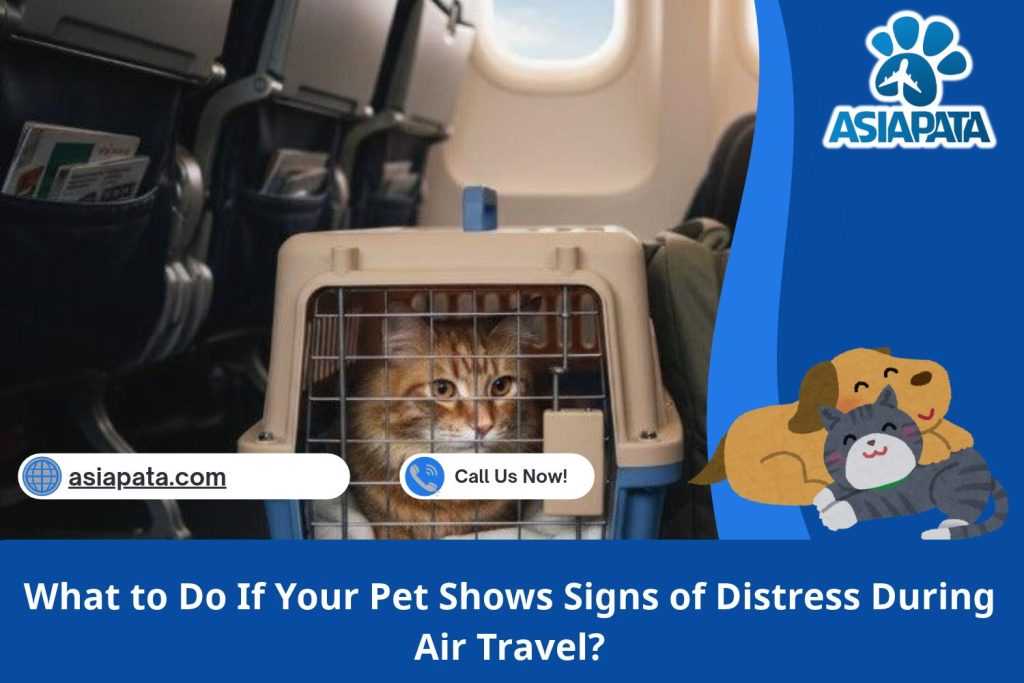
What to Do If Your Pet Shows Signs of Distress During Air Travel?
Air travel can be a challenging experience for pets, especially dogs and cats that are unfamiliar with airports, aircraft environments, and long-distance transportation. Changes in temperature, cabin pressure, unfamiliar sounds, and prolonged confinement may cause stress or physical discomfort.
Although many pets can travel safely by air with proper preparation, unexpected health problems may still occur during the journey. Recognizing early warning signs and knowing how to respond appropriately can help protect your pet from unnecessary risks.
For pet owners planning domestic or international transportation, understanding how to handle emergencies during air travel is an essential part of responsible pet care.
1. Why Can Pets Experience Distress During Air Travel?
Several factors may contribute to unusual behavior or health problems in pets during flights.
Environmental changes
Airports and aircraft expose pets to unfamiliar sounds, vibrations, lighting, and surroundings. These changes may cause anxiety, particularly in animals that have never traveled by plane.
Changes in temperature
Pets may become uncomfortable when exposed to temperatures that are too high or too low. Animals with thick coats, short noses, or existing respiratory conditions may be particularly vulnerable to heat-related problems.
Motion sickness
Some dogs and cats experience nausea during transportation. This may result in excessive drooling, restlessness, vomiting, or loss of appetite.
Dehydration
Long travel periods, insufficient access to water, and stress may contribute to dehydration. Young, elderly, and medically vulnerable animals may require additional attention.
Pre-existing health conditions
Pets with respiratory, cardiovascular, or other medical conditions may face additional challenges during air transportation. A veterinary assessment before departure is especially important for these animals.
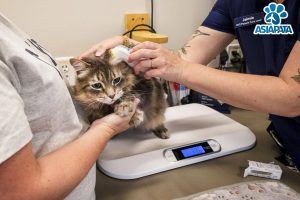
2. Common Warning Signs to Watch for During a Flight
Pet owners should understand the difference between normal travel-related anxiety and symptoms that may indicate a more serious problem.
Some common warning signs include:
- Excessive panting: Rapid breathing, especially when accompanied by weakness or unusual behavior, may indicate overheating or respiratory distress.
- Continuous whining or barking: Persistent vocalization may suggest fear, discomfort, or pain.
- Excessive drooling: This can be associated with nausea, anxiety, or other physical problems.
- Vomiting or diarrhea: Repeated episodes may lead to dehydration and require veterinary attention.
- Unusual body movements: Trembling, loss of balance, or difficulty standing should not be ignored.
- Lethargy: A pet that becomes unusually inactive or difficult to wake may be experiencing a serious health issue.
- Pale or bluish gums: These may indicate inadequate oxygen circulation and require emergency veterinary assessment.
It is important to remember that symptoms can vary depending on the animal’s age, breed, health condition, and travel environment.
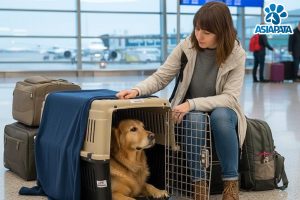
3. What Should You Do If Your Pet Shows Signs of Distress?
When a pet displays unusual symptoms during air travel, responding quickly and appropriately is essential.
Step 1: Remain Calm and Observe the Symptoms
Avoid panicking or making sudden movements that could increase your pet’s anxiety.
Observe its breathing, posture, responsiveness, and general behavior. Try to determine whether the symptoms are mild, persistent, or rapidly worsening.
Step 2: Notify Airline Personnel Immediately
If your pet is traveling in the cabin, inform a flight attendant as soon as possible.
If your pet is traveling in the aircraft’s cargo compartment, contact the airline’s designated assistance team or ground staff immediately.
Provide clear information about the symptoms and when they first appeared.
Step 3: Request Professional Assistance
If your pet shows severe symptoms, request veterinary assistance at the earliest available opportunity.
For serious emergencies, airline personnel should coordinate the appropriate response under their operating procedures.
Do not wait until the aircraft reaches its final destination if symptoms indicate a potentially life-threatening condition.
Step 4: Follow Veterinary Instructions
Only administer medication or perform treatment under professional veterinary guidance.
Do not give human medication or sedatives without specific veterinary instructions, as these substances may create additional risks during transportation.
4. How to Handle Specific Health Problems During Air Travel
Different symptoms require different responses. Understanding the appropriate precautions can help pet owners react more effectively.
4.1. If Your Pet Is Breathing Rapidly
Rapid breathing may occur due to anxiety, heat, or physical discomfort. However, labored breathing, open-mouth breathing in cats, or breathing accompanied by weakness should be treated as an emergency.
Notify airline staff immediately and request veterinary assessment. Do not assume that the condition will resolve on its own.
4.2. If Your Pet Vomits During the Journey
Vomiting may be associated with motion sickness, stress, or an underlying health problem.
If possible and permitted, observe how frequently it occurs and whether other symptoms are present.
Repeated vomiting, blood in vomit, or signs of weakness require prompt veterinary evaluation.
4.3. If Your Pet Shows Signs of Overheating
Warning signs may include excessive panting, heavy drooling, weakness, vomiting, and collapse.
Inform airline personnel immediately. If veterinary professionals recommend cooling measures, follow their instructions. Avoid applying ice or attempting aggressive cooling without professional guidance.
Heatstroke can become life-threatening and requires urgent veterinary treatment.
4.4. If Your Pet Becomes Extremely Weak or Unresponsive
A pet that suddenly collapses, loses consciousness, or becomes difficult to wake needs emergency assistance.
Contact airline personnel immediately and request urgent veterinary support. Do not wait for the flight to finish before reporting these symptoms.
5. What Should You Avoid Doing When Your Pet Is in Distress?
In an emergency, well-intentioned actions can sometimes make the situation worse.
Pet owners should avoid the following:
- Giving medication without veterinary advice: Human medicines and unprescribed sedatives may be dangerous for animals.
- Opening the transport container without permission: This may violate airline safety procedures and create additional risks.
- Ignoring persistent symptoms: Unusual breathing, repeated vomiting, and extreme weakness should never be dismissed as ordinary travel anxiety.
- Forcing food or water: A distressed or weak animal may have difficulty swallowing safely.
- Waiting too long to report a problem: Early communication allows airline personnel to coordinate assistance.
- Attempting treatment without proper knowledge: Incorrect handling may worsen an animal’s condition.
The safest approach is to report the problem promptly and follow professional instructions.
6. How to Prepare Your Pet to Reduce the Risk of Problems During Flights
Good preparation can significantly improve a pet’s travel experience and help reduce avoidable complications.
6.1. Arrange a Veterinary Health Check
Before booking a flight, schedule a veterinary examination to assess whether your pet is fit to travel.
Discuss any existing medical conditions, previous travel reactions, vaccination requirements, and possible risks associated with air transportation.
Some pets may require additional assessment or may not be suitable for air travel.
6.2. Choose an Appropriate Airline-Approved Carrier
A suitable transport carrier should provide:
- Adequate ventilation.
- Sufficient space for the animal to stand, turn around, and lie down naturally.
- Secure locking mechanisms.
- A leak-resistant floor and suitable absorbent bedding.
- Appropriate structural strength for the intended transportation method.
Always check the airline’s specific carrier requirements before departure.
6.3. Familiarize Your Pet With the Carrier
Introduce the carrier several weeks before the journey whenever possible.
Allow your pet to explore it, rest inside, and become familiar with its surroundings.
Positive reinforcement, such as treats and gentle encouragement, can help create a more comfortable association with the carrier.
6.4. Prepare Food and Water Properly
Follow your veterinarian’s recommendations regarding feeding schedules before departure.
Avoid introducing unfamiliar foods immediately before the flight. Ensure your pet is adequately hydrated and discuss suitable water arrangements for the expected travel duration.
6.5. Prepare All Required Travel Documents
International pet transportation may require several documents, depending on the destination country.
Common requirements include:
- Veterinary health certificates.
- Vaccination records.
- Rabies vaccination documentation.
- Microchip identification, where required.
- Import permits or other entry approvals.
- Additional veterinary tests or treatments required by the destination.
Requirements vary between countries, so pet owners should verify the latest regulations before arranging transportation.
7. Special Considerations for Different Types of Pets During Air Travel
Different animal species have different physical characteristics, behavioral patterns, and transportation requirements. Therefore, preparing a dog for air travel may be very different from preparing a cat, rabbit, bird, or reptile.
Understanding these differences can help pet owners reduce transportation risks and choose more appropriate travel arrangements.
7.1. Traveling With Dogs
Dogs are among the most commonly transported pets by air. However, their reactions to unfamiliar environments can vary significantly depending on their breed, age, health, and previous travel experience.
Some dogs may experience separation anxiety, motion sickness, excessive panting, or restlessness during transportation.
Important precautions:
- Arrange a veterinary examination before booking the flight.
- Pay special attention to short-nosed breeds, such as Pugs, Bulldogs, and French Bulldogs, which may have an increased risk of breathing difficulties.
- Choose a carrier that provides adequate ventilation and sufficient space.
- Allow your dog to become familiar with the carrier before departure.
- Check whether the airline has breed-specific restrictions or additional transportation requirements.
Puppies, senior dogs, and dogs with existing medical conditions may require additional veterinary assessment before flying.
7.2. Traveling With Cats
Cats are sensitive to changes in their surroundings and daily routines. Airports, unfamiliar smells, loud noises, and confinement may cause stress during air transportation.
Some cats may hide, vocalize continuously, refuse food, or attempt to escape when they feel uncomfortable.
Important precautions:
- Use a secure, well-ventilated carrier specifically designed for cats.
- Place familiar bedding inside the carrier to provide a sense of comfort.
- Avoid sudden changes in feeding schedules before departure.
- Ensure your cat has appropriate identification, such as a microchip where required.
- Consult a veterinarian if your cat has a history of severe anxiety or motion sickness.
Owners should also pay attention to signs of overheating and breathing difficulties, particularly in flat-faced cat breeds such as Persian and Exotic Shorthair cats.
7.3. Traveling With Rabbits and Guinea Pigs
Rabbits and guinea pigs are small mammals that can be particularly sensitive to environmental changes and transportation stress.
High temperatures, loud noises, inadequate ventilation, and unfamiliar handling may negatively affect their health.
Rabbits may stop eating when experiencing significant stress, while guinea pigs may become unusually inactive or hide for extended periods.
Important precautions:
- Choose a sturdy carrier with sufficient ventilation.
- Provide familiar, absorbent bedding.
- Maintain a suitable temperature throughout the journey.
- Discuss appropriate feeding and hydration arrangements with a veterinarian.
- Monitor eating habits and behavior after arrival.
Because these animals have specific physiological needs, owners should consult an experienced veterinarian before arranging air transportation. Airline acceptance of rabbits and guinea pigs also varies.
7.4. Traveling With Birds
Birds, including parrots, cockatiels, and budgerigars, require special attention during air transportation.
They may be sensitive to temperature fluctuations, poor ventilation, unfamiliar sounds, and sudden environmental changes.
Stress can affect their behavior and may cause feather plucking, excessive vocalization, reduced appetite, or unusual inactivity.
Important precautions:
- Use a secure carrier suitable for the bird’s species and size.
- Ensure adequate ventilation without exposing the bird to excessive drafts.
- Follow veterinary recommendations for food and water arrangements.
- Avoid unnecessary handling during transportation.
- Check airline requirements and applicable wildlife transportation regulations.
For international travel, certain bird species may also be subject to additional import permits, health certificates, or CITES requirements.
7.5. Traveling With Reptiles
Reptiles, such as turtles, geckos, and certain non-venomous snakes, have environmental requirements that differ considerably from those of mammals.
Many reptile species depend on external environmental conditions to regulate their body temperature. Consequently, inappropriate temperatures during transportation may affect their health.
Important precautions:
- Identify the species-specific temperature and humidity requirements.
- Use a secure, appropriately designed transport container.
- Avoid sudden temperature fluctuations.
- Ensure the animal cannot escape during handling.
- Verify airline acceptance and destination-country import regulations before departure.
Some reptile species are protected under international wildlife trade regulations. Owners should confirm the relevant legal requirements before arranging transportation.
7.6. Traveling With Small Exotic Pets
Other small exotic pets, such as hedgehogs, chinchillas, and ferrets, may also require specialized transportation arrangements.
Their sensitivity to temperature, handling, and environmental changes varies by species.
For example, chinchillas are particularly vulnerable to overheating, while hedgehogs may react to unfamiliar environments by curling into a defensive position.
Important precautions:
- Research the specific transportation needs of the animal.
- Consult a veterinarian familiar with exotic species.
- Prepare a suitable carrier with appropriate ventilation and bedding.
- Avoid unnecessary handling before and during the journey.
- Confirm whether the airline accepts the species and whether additional documentation is required.
7.7. Why Species-Specific Preparation Matters
There is no single transportation method suitable for every type of pet.
Dogs and cats may require attention to anxiety and respiratory health, while rabbits and small mammals need careful temperature management. Birds and reptiles may have additional environmental and regulatory requirements.
Before arranging a flight, pet owners should consider three important factors:
- Animal health: Determine whether the pet is physically fit for air travel.
- Transportation conditions: Select a suitable carrier and confirm the airline’s handling procedures.
- Legal requirements: Check vaccination, identification, import permits, and species-specific regulations.
Proper preparation helps minimize avoidable risks and supports the well-being of animals throughout the transportation process.
8. Important Questions About Pet Safety During Air Travel
Can pets experience panic attacks during flights?
Pets can experience intense fear and anxiety in unfamiliar environments. Their reactions may include trembling, excessive vocalization, panting, and attempts to escape. However, these symptoms should not automatically be classified as panic, as physical health problems may produce similar signs.
Should I give my pet sleeping medication before a flight?
Medication should never be given without veterinary guidance. Sedatives may affect an animal’s ability to regulate body temperature, maintain balance, and respond to changes in its environment. Some airlines also have specific restrictions regarding sedated animals.
Is it safe for pets to travel in the aircraft cargo compartment?
Some airlines transport eligible pets in approved temperature-controlled cargo facilities with established handling procedures. However, safety depends on the animal’s health, breed, carrier, flight conditions, and airline policies. Not every pet is suitable for this method of transportation.
What happens if my pet becomes sick during a connecting flight?
If symptoms appear during a transit stop, contact airline personnel immediately and request veterinary assistance where available. The airline can help coordinate the next steps according to its procedures and the transit airport’s facilities.
How long does it take for pets to recover from travel stress?
Recovery time varies depending on the animal and the intensity of the journey. Some pets return to normal behavior within a few hours, while others may need more time. Persistent symptoms or significant changes in behavior should be evaluated by a veterinarian.
9. Responsible Pet Transportation Starts With Proper Preparation
Transporting pets by air requires more than simply booking a flight and preparing a carrier. It involves understanding animal behavior, assessing health conditions, complying with airline requirements, and planning for unexpected situations.
Pet owners should always prioritize animal welfare and seek professional veterinary advice whenever health concerns arise.
At ASIAPATA, we recognize that every pet deserves careful attention throughout its transportation journey. Proper preparation, appropriate handling, and coordination with relevant transportation professionals are essential elements in making air travel safer and more comfortable for animals.
A safe journey begins with responsible preparation and continuous attention to your pet’s well-being.
Xem thêm: HOW TO CARE FOR PETS DURING AIR TRAVEL: A COMPLETE GUIDE TO SAFE AND COMFORTABLE PET TRANSPORTATION
Xem thêm: International Bird Transportation: Essential Things to Know Before Sending Pet Birds Abroad
Xem thêm: SHIPPING AUSTRALIAN RED SAND TO VIETNAM FOR AFRICAN SPINY-TAILED LIZARD HABITATS
