


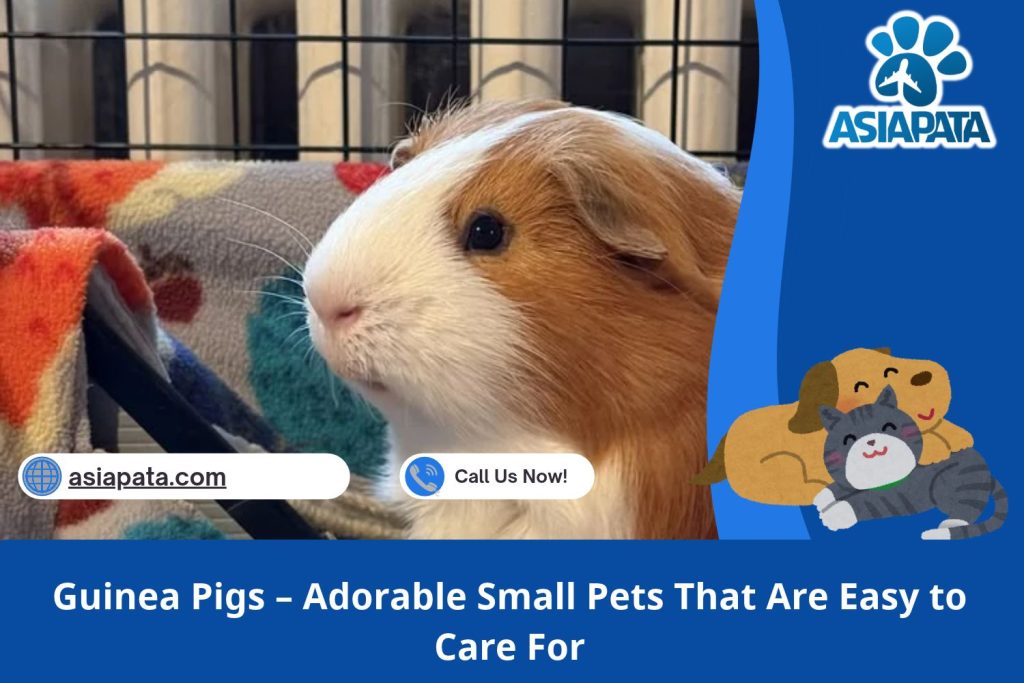
Guinea Pigs – Adorable Small Pets That Are Easy to Care For
Guinea pigs, also known as cavies, are among the most popular small pets in the world. With their adorable appearance, gentle personalities, and playful behavior, they make wonderful companions for families, students, and animal lovers.
Although guinea pigs are relatively easy to care for, they still require proper nutrition, a comfortable living environment, and regular attention to stay healthy and happy.
1. What Are Guinea Pigs?
Guinea pigs are small, domesticated rodents originally from the Andes region of South America. Despite their name, they are neither pigs nor native to Guinea.
They typically have round bodies, short legs, small ears, and soft fur. Guinea pigs come in various colors and coat types, including short-haired, long-haired, and curly-haired varieties.
Adult guinea pigs generally weigh between 700 grams and 1.2 kilograms, depending on their breed, sex, and overall health.
2. Why Are Guinea Pigs Popular Pets?
There are several reasons why guinea pigs are loved by pet owners around the world:
- Friendly personalities: They are generally gentle and sociable animals.
- Cute appearance: Their small bodies and expressive faces make them especially appealing.
- Unique sounds: Guinea pigs communicate through squeaks, chirps, purrs, and other vocalizations.
- Social behavior: They enjoy interacting with other guinea pigs and familiar human caregivers.
- Suitable for indoor living: They can live comfortably indoors with an appropriate enclosure.
Guinea pigs are social animals, so keeping them with a compatible companion is generally recommended.
3. How to Take Care of Guinea Pigs
Providing proper care is essential to maintaining a guinea pig’s health and well-being.
A. Provide a Comfortable Living Space
Guinea pigs need a spacious, well-ventilated enclosure with a solid floor. Their living area should include:
- Soft, safe bedding.
- Hiding places where they can feel secure.
- Clean drinking water.
- Enough room to move around and exercise.
- A quiet environment away from excessive noise and direct sunlight.
The enclosure should be cleaned regularly to prevent unpleasant odors and reduce the risk of disease.
B. Choose the Right Diet
A balanced diet is important for guinea pigs. Their daily food should include:
- Hay: High-quality grass hay, such as timothy hay, should be available at all times.
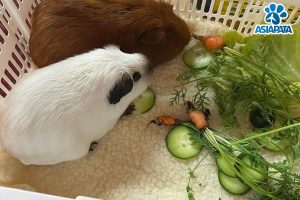
- Fresh vegetables: Bell peppers, romaine lettuce, and other suitable vegetables can provide essential nutrients.
- Vitamin C: Guinea pigs cannot produce their own vitamin C, so they need a reliable dietary source.
- Pellets: Specially formulated guinea pig pellets can help supplement their diet.
- Fresh water: Clean drinking water should always be available.
Avoid feeding guinea pigs chocolate, onions, garlic, and other foods that may be harmful to them.
C. Maintain Proper Hygiene
Regular cleaning helps keep guinea pigs comfortable and healthy. Owners should remove dirty bedding, wash food bowls, and refresh drinking water frequently.
Long-haired guinea pigs may also need regular brushing to prevent their fur from becoming tangled.

4. Common Health Problems in Guinea Pigs
Like other pets, guinea pigs can experience health issues. Some common problems include:
- Dental problems caused by abnormal tooth growth.
- Vitamin C deficiency.
- Respiratory infections.
- Skin problems and external parasites.
- Digestive disorders.
Owners should pay attention to changes in appetite, weight, activity levels, and behavior. If a guinea pig stops eating or shows signs of illness, veterinary attention should be sought promptly.
5. Are Guinea Pigs Suitable for First-Time Pet Owners?
Guinea pigs can be suitable for beginners who are willing to provide consistent care. They are generally gentle and do not require outdoor walks like dogs.
However, they are not completely maintenance-free pets. They need daily feeding, regular enclosure cleaning, social interaction, and access to veterinary care.
Before adopting a guinea pig, potential owners should consider the long-term responsibility of caring for a small animal.
6. Can Guinea Pigs Travel by Airplane?
Yes, guinea pigs may be transported by airplane, but their acceptance depends on the airline, destination country, transit regulations, and animal transportation policies.
Unlike dogs and cats, guinea pigs are not accepted by every airline. Some carriers may allow them as special live-animal cargo, while others may restrict or refuse their transportation.
Before booking a flight, pet owners should contact the airline or a professional pet transportation service to confirm the applicable requirements.
A. Airline Regulations for Guinea Pig Transportation
Each airline has its own regulations for transporting small animals. Owners should check the following information before making travel arrangements:
- Whether the airline accepts guinea pigs for international transportation.
- Whether the animal can travel as accompanied baggage or must be transported as cargo.
- Required animal health certificates and import permits.
- Approved transport containers and labeling requirements.
- Temperature restrictions and handling procedures.
- Regulations for transit airports and connecting flights.
It is important to obtain confirmation from the airline before purchasing tickets or preparing the animal for departure.
B. Choosing a Suitable Travel Container
A suitable transport container is essential for protecting guinea pigs during air travel.
The container should:
- Provide enough space for the guinea pig to stand, turn around, and lie down comfortably.
- Have adequate ventilation.
- Be secure and escape-proof.
- Include absorbent bedding to maintain cleanliness.
- Protect the animal from excessive noise and sudden movement.
- Be suitable for the airline’s live-animal transportation requirements.
Owners should avoid containers that are too small, poorly ventilated, or exposed to extreme temperatures.
C. Preparing Guinea Pigs Before Departure
Proper preparation can help reduce stress during transportation.
Before departure, owners should:
- Arrange a veterinary health check to assess whether the guinea pig is fit to travel.
- Prepare all required health and transportation documents.
- Allow the animal to become familiar with its transport container.
- Provide suitable hay and access to water according to the airline’s instructions.
- Choose a travel schedule that minimizes waiting time and unnecessary transfers.
- Confirm the transportation arrangements with the airline in advance.
Guinea pigs should never be deprived of food for extended periods because their digestive systems require a continuous supply of fiber.

7. Important Things to Consider When Transporting Guinea Pigs Internationally
International transportation requires more preparation than ordinary domestic travel. Guinea pigs may be sensitive to changes in temperature, unfamiliar environments, and long transportation periods.
Here are some important considerations for pet owners.
A. Check Import and Export Regulations
Different countries have different rules for importing guinea pigs. Some destinations may require veterinary certificates, import permits, or additional animal health documentation.
Owners should check the latest requirements with the destination country’s competent veterinary or animal import authority before departure.
B. Avoid Extreme Temperatures
Guinea pigs are sensitive to heat and can suffer from heat stress. They should be kept in a temperature-controlled environment throughout the transportation process.
Direct sunlight, poorly ventilated areas, and prolonged exposure to high temperatures should be avoided.
C. Reduce Stress During Transportation
Travel can be stressful for small animals. Owners should minimize unnecessary handling, loud noises, and sudden environmental changes.
Familiar bedding and suitable hay can help provide a more comfortable environment during the journey.
D. Consider the Length of the Journey
Long-distance flights and multiple transit stops can increase the stress associated with transportation.
Whenever possible, owners should choose routes with fewer connections and shorter waiting periods. The animal’s health and comfort should always be prioritized over travel convenience.
E. Monitor the Guinea Pig After Arrival
After reaching the destination, owners should place the guinea pig in a quiet, comfortable enclosure with fresh water and hay.
Monitor its eating habits, activity levels, and behavior. If the animal shows signs of illness, unusual breathing, or refuses to eat, contact a veterinarian promptly.
8. What Documents Are Needed to Transport Guinea Pigs Abroad?
The required documents vary depending on the departure country, destination, transit locations, and airline.
Commonly requested documents may include:
- Veterinary health certificate.
- Import permit, if required by the destination country.
- Animal identification or ownership information.
- Airline live-animal transportation confirmation.
- Additional veterinary or quarantine documents, where applicable.
Not every country requires the same documents. Therefore, owners should verify the requirements before arranging transportation to avoid delays or refusal at the airport.
9. Should You Use a Professional Pet Transportation Service?
Transporting guinea pigs internationally involves several procedures, including airline coordination, document preparation, suitable container arrangements, and compliance with destination-country regulations.
A professional pet transportation service can help owners understand the requirements and coordinate the transportation process.
Before choosing a service provider, consider whether they:
- Have experience handling small animals.
- Understand airline live-animal transportation procedures.
- Can assist with veterinary and import documentation.
- Provide suitable transportation arrangements.
- Can explain the process and potential risks clearly.
Choosing an experienced provider can help make the journey more organized and reduce unnecessary complications.
10. Final Thoughts
Guinea pigs are adorable companions, but transporting them by airplane requires careful preparation. Not all airlines accept guinea pigs, and international regulations can vary significantly between destinations.
Pet owners should prioritize animal welfare, check airline policies, prepare the necessary documents, and consult veterinary professionals before arranging a flight.
With proper planning and suitable transportation arrangements, international travel can be managed more safely and comfortably for these small companions.
Conclusion
Guinea pigs are adorable, friendly, and sociable pets that can bring joy to many households. With a balanced diet, a clean living space, regular interaction, and proper veterinary care, they can enjoy a healthy and comfortable life.
Whether you are an experienced pet owner or considering your first small companion, guinea pigs can be a wonderful addition to your family.
Xem thêm: What to Do If Your Pet Shows Signs of Distress During Air Travel?
Xem thêm: International Bird Transportation: Essential Things to Know Before Sending Pet Birds Abroad
Xem thêm: Regulations for Transporting Pets by Air from Germany to Vietnam
