



BAD BREATH IN DOGS: CAUSES AND EFFECTIVE SOLUTIONS
Bad breath in dogs is a quite common condition, especially in adult dogs or those that do not receive regular oral hygiene care. The odor may sometimes simply come from food residue and plaque on the teeth, but it can also be a warning sign of dental problems or underlying health issues.
So, why do dogs have bad breath, how can this condition be improved, and when should you take your dog to the veterinarian? Let’s explore in detail in the article below.
1. Why do dogs have bad breath?
A mild odor in a dog’s breath is not necessarily abnormal. However, if the smell appears frequently, becomes stronger over time, or is accompanied by other symptoms, owners should pay attention.
Some common causes include:
Plaque and tartar buildup
This is one of the most common reasons for bad breath in dogs.
After eating, food particles can stick to the surface of the teeth and form plaque. If not cleaned, plaque can harden into tartar over time. Bacteria accumulate in the mouth and produce an unpleasant odor.
This condition can also lead to inflamed, red, or bleeding gums.
Gingivitis and other dental diseases
Dogs with gingivitis, periodontal disease, or other oral health issues often have very bad breath.
Some accompanying signs may include:
- Red or swollen gums
- Bleeding when eating or chewing hard food
- Heavy tartar buildup
- Difficulty chewing food
- Pawing at the mouth
- Excessive drooling
- Reduced appetite or eating more slowly than usual
If left untreated, dental disease can affect a dog’s overall health.
Food stuck in the mouth
Soft food, meat, or small food particles can get stuck between teeth. If not removed, they create an environment for bacteria to grow and cause odor.
Diet can also affect a dog’s breath. Some foods with strong smells or that are not suitable for the dog’s system may make breath odor more noticeable.
Eating inappropriate items
Dogs have a habit of sniffing and picking things up with their mouths. As a result, they may eat leftovers, trash, or other foul-smelling objects.
In such cases, bad breath may appear suddenly. If the dog also shows vomiting, diarrhea, loss of appetite, or lethargy, owners should monitor closely and contact a veterinarian if necessary.
Other health problems
In some cases, bad breath in dogs is not only related to teeth and gums.
Certain internal health conditions can also change breath odor. Therefore, if the smell persists, is very strong, or is accompanied by symptoms such as increased drinking, frequent urination, weight loss, vomiting, loss of appetite, or fatigue, the dog should be taken for a veterinary check-up.
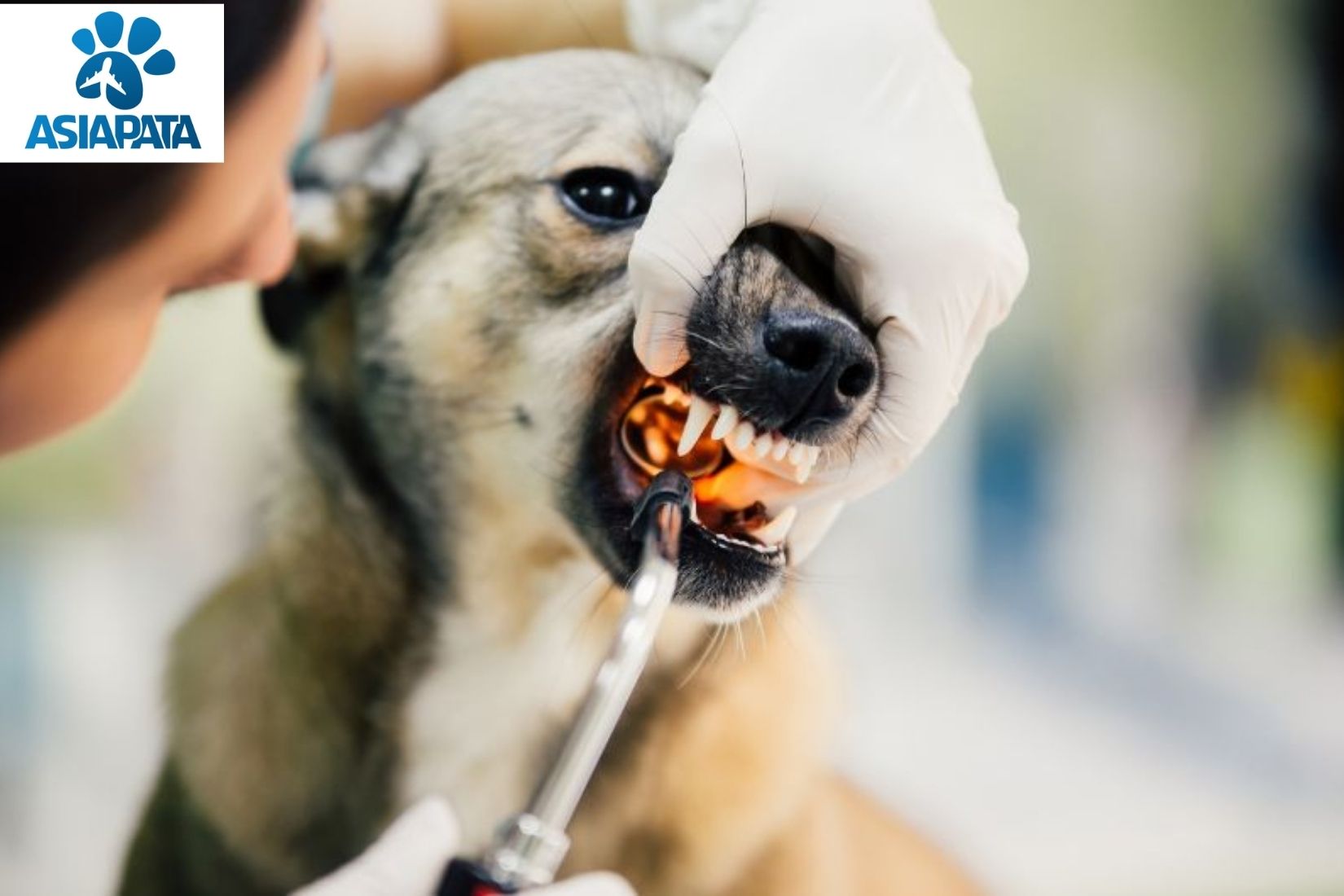
2. Is bad breath in dogs dangerous?
Not all cases of bad breath in dogs are dangerous. If the cause is only food or mild plaque buildup, improving oral hygiene can help.
However, persistent bad breath should not be ignored.
Especially if the dog has heavy tartar, swollen or bleeding gums, pain while chewing, or refuses to eat, these may be signs of dental disease that require examination.
Owners should not self-medicate or use oral care products not designed for dogs.
3. How to fix bad breath in dogs
Regular oral hygiene
Brushing is one of the most effective ways to control plaque and maintain oral health in dogs.
Use a toothbrush and toothpaste specifically designed for dogs. Human toothpaste should not be used, as some ingredients may be unsafe for pets.
If the dog is not used to brushing, introduce it gradually. Let the dog get familiar with the toothbrush and products first, then slowly increase brushing time.
Regular dental and gum checks
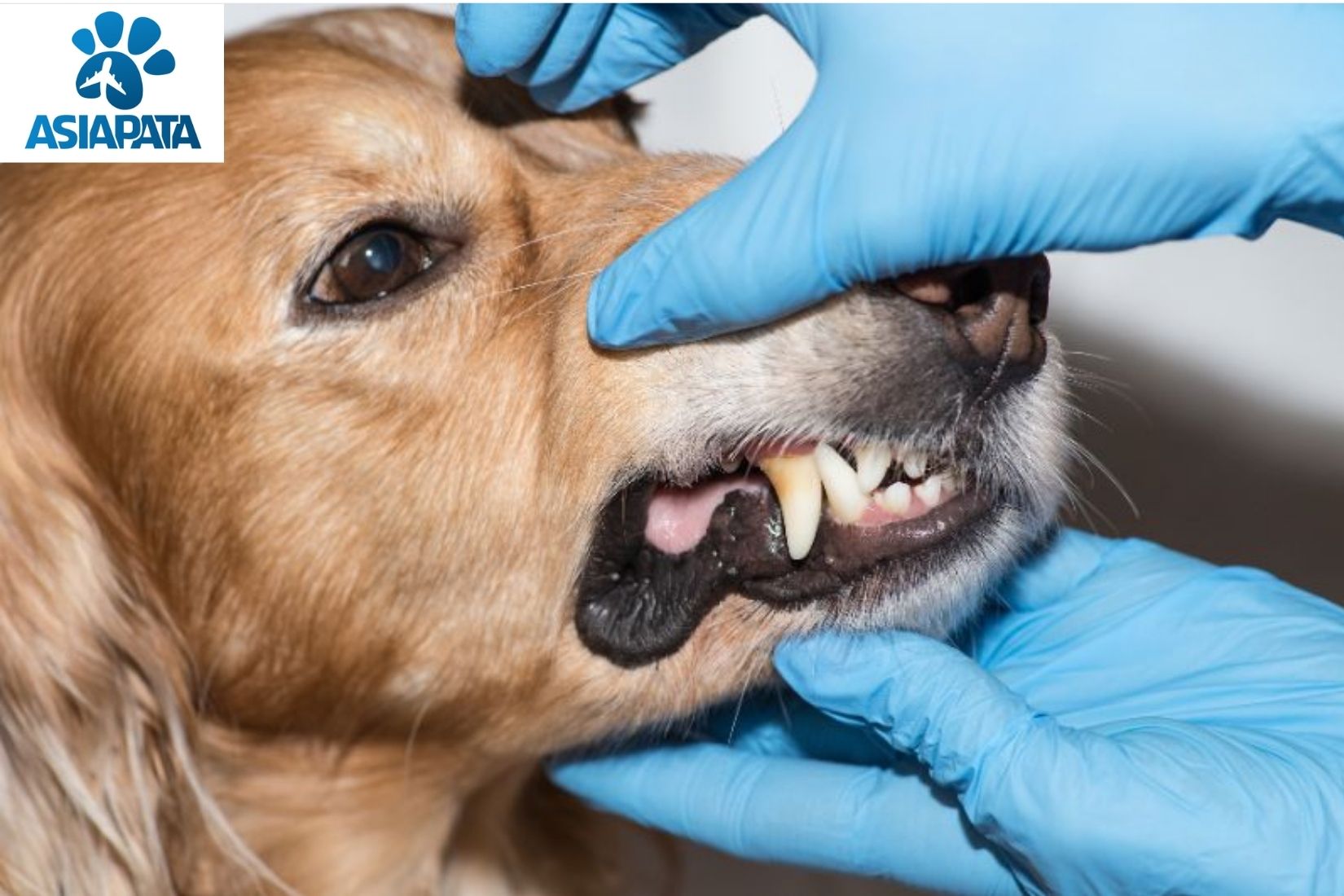
Take time to check your dog’s mouth at home.
Look for signs such as:
- Yellow or brown tartar
- Red or swollen gums
- Loose or broken teeth
- Bleeding
- Mouth sores
- Unusual bad odor
If any of these signs are found, take the dog to a veterinary clinic for proper evaluation.
Proper diet
A suitable diet helps maintain overall health and supports oral hygiene.
Food should match the dog’s age, size, health condition, and nutritional needs. Avoid frequently feeding table scraps, especially oily, spicy, or unsuitable human food.
Also, ensure the dog always has access to clean drinking water.
Use dog dental care products
There are many pet oral care products available such as dental chews, oral rinses, and plaque-control supplements.
However, these products should not replace proper brushing or veterinary check-ups.
When choosing products, prioritize those with clear origin and suitability for the dog’s size and age.
Veterinary dental check-up
If the dog has significant tartar buildup or signs of periodontal disease, home care may not be enough.
A veterinarian can examine the teeth and gums and recommend appropriate treatment. In some cases, professional dental cleaning may be required.
4. How to prevent bad breath in dogs
Prevention is often easier than treating an advanced condition.
Owners can build good oral care habits by:
- Regularly checking teeth and gums
- Maintaining consistent oral hygiene
- Providing a proper diet
- Avoiding spoiled or unsuitable food
- Ensuring access to clean water
- Monitoring changes in breath odor
- Scheduling regular health check-ups
It is especially important to train dogs to accept oral care from a young age. Once the habit is formed, maintenance becomes much easier.
5. When should you take your dog to the vet?
You should take your dog to a veterinarian if bad breath persists or is accompanied by unusual symptoms.
Warning signs include:
Severe or sudden bad breath, heavy tartar, red or bleeding gums, excessive drooling, difficulty chewing, loss of appetite, weight loss, vomiting, diarrhea, or abnormal drinking and urination.
In these cases, early examination helps identify the cause and provide appropriate treatment.

6. Common mistakes when dealing with bad breath in dogs
When noticing bad breath, many owners try quick home solutions. However, some methods are not appropriate.
Do not use human toothpaste
Dogs should not use human toothpaste. Always choose products specifically designed for pets.
Do not self-medicate
Do not give medication based only on symptoms of bad breath. The cause may vary widely.
Do not scrape tartar at home
Using sharp tools to remove tartar can damage gums or scratch tooth surfaces.
If the dog has heavy tartar, it should be evaluated and treated by a veterinarian.
7. Frequently asked questions about bad breath in dogs
Is bad breath in dogs caused by food?
Yes, it can be. Strong-smelling food or food stuck in the mouth can cause bad breath. However, if the odor persists, dental and gum health should be checked.
Should I brush my dog’s teeth every day?
Regular oral hygiene is a good habit. The exact frequency should depend on the dog’s dental condition and cooperation level.
Can I use human toothpaste for dogs?
No. Only use toothpaste specifically formulated for dogs.
Will bad breath in dogs go away on its own?
If the cause is temporary, such as food, the smell may improve. However, persistent bad breath, especially with tartar or abnormal signs, should not be ignored.
How often should a dog’s teeth be checked?
Owners should regularly observe teeth and gums at home and take the dog for routine veterinary check-ups as recommended.
8. Conclusion
Bad breath in dogs can come from simple causes such as food, plaque buildup, or poor oral hygiene. However, it may also be related to dental disease or other health problems.
To protect your pet’s health, maintain regular oral care, provide a proper diet, and monitor any unusual changes. If bad breath persists or is accompanied by symptoms such as loss of appetite, bleeding gums, pain while chewing, or lethargy, take your dog to a veterinarian for examination.
Proper dental care not only helps dogs have fresher breath but also contributes to long-term health and quality of life.
XEM THÊM: Bring pets to the UK
XEM THÊM: Summer-Ready Backpack or Bag for Small Dogs: Essential Packing Tips
XEM THÊM: Regulations for Transporting Pets by Air from Germany to Vietnam
