


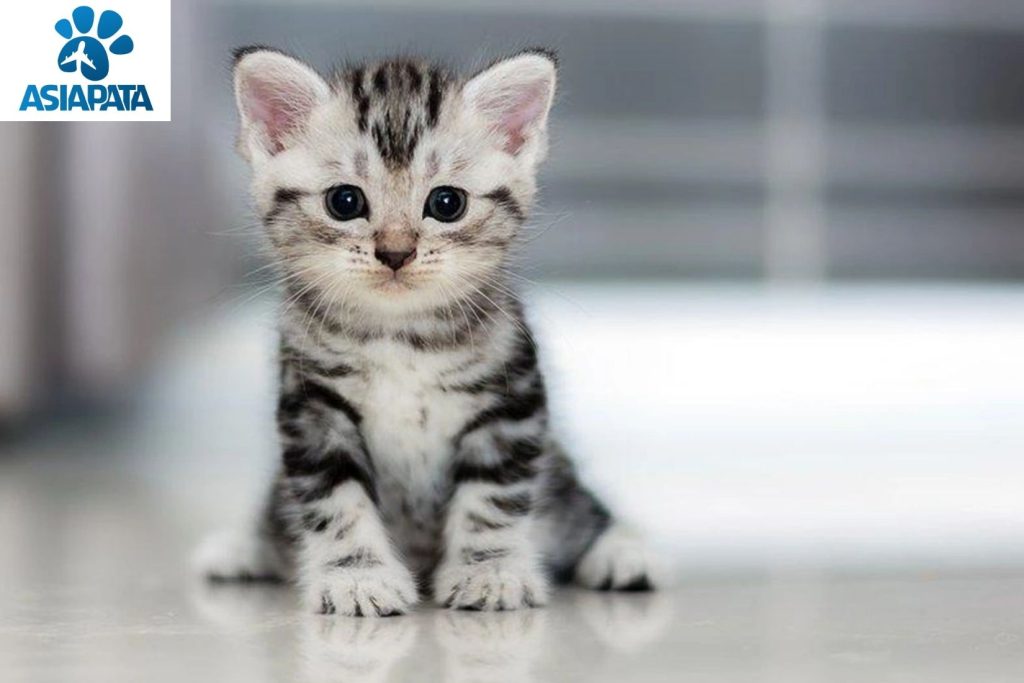
Checklist for Bringing a Kitten Home for the First Time: What Do You Need to Prepare?
Bringing a kitten home is a very adorable moment, but it requires careful preparation so the kitten can adapt quickly. The checklist for bringing a kitten home for the first time helps you avoid missing essential items such as food, a litter box, a sleeping area, and toys.
Kittens are still fragile, so preparing properly from the beginning will help reduce stress, stabilize their eating habits, and make it easier for them to adjust to a new environment.
1. What does the checklist for bringing a kitten home include?
Before bringing your kitten home, you should prepare a separate, clean, and safe area. You don’t need to buy too many items at once, but some basic essentials are necessary.
Basic checklist:
- Kitten-appropriate food
- Food bowl
- Water bowl or water dispenser
- Litter box
- Cat litter
- Sleeping area or bed
- Soft towel or blanket
- Safe toys
- Scratching post
- Carrier
- Brush
- Cleaning tools
- Basic health care supplies
You don’t need to buy everything at once. Prioritize items for eating, hygiene, resting, and safety first.
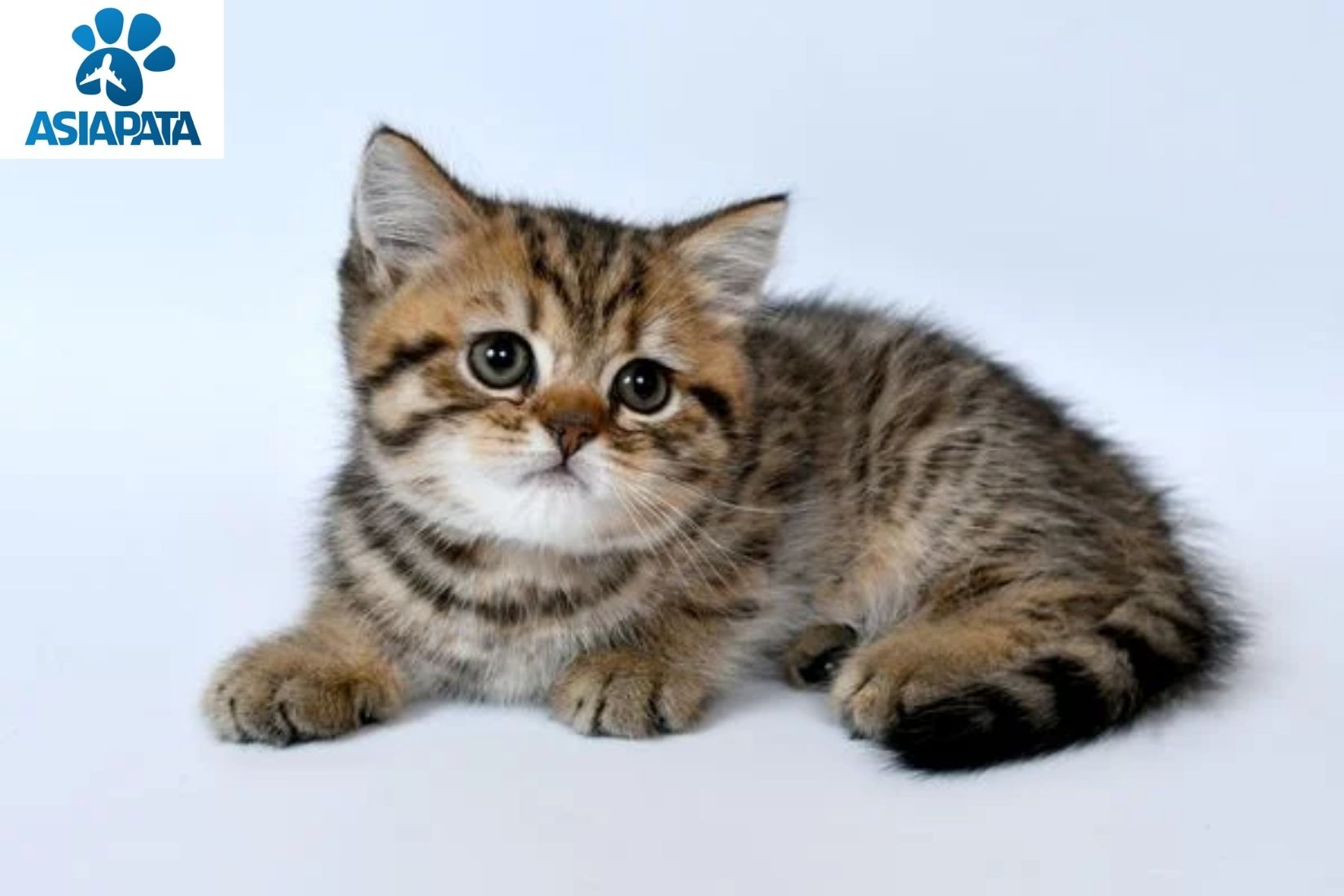
2. Preparing food for your kitten
Food is one of the first things to consider when bringing a kitten home.
Kittens need a diet suitable for their age and development stage. If you know what food the kitten was previously eating, you should continue with the same type at first.
Avoid changing food suddenly when the kitten has just moved to a new home. The combination of environmental change and diet change may cause digestive issues.
You should prepare:
- Kitten food
- Wet food or pâté suitable for kittens
- Dry kibble for kittens (if the kitten can already eat dry food)
- Clean water
If you want to switch to a new type of food, do it gradually so the kitten can adapt.
3. Preparing food and water bowls
Food and water bowls should be made of easy-to-clean materials.
You should place the feeding area in a quiet place, away from the litter box. Cats usually do not like eating or drinking near where they eliminate.
Clean water should be changed regularly. If your kitten drinks little water, you can explore ways to increase water intake, such as incorporating wet food into their diet

4. Preparing a litter box for your kitten
The litter box is an essential item in the checklist for bringing a kitten home for the first time.
The box should be appropriately sized so the kitten can easily step in and turn around. For kittens, the sides should not be too high.
Place the litter box in a fixed, quiet, and easily accessible location.
After bringing the kitten home, gently guide it to the litter box area so it can become familiar with the location.
Notes when choosing litter
Cats can be sensitive to smells. Therefore, if your kitten is not used to it yet, avoid strongly scented litter.
You should also clean the litter box regularly to maintain hygiene and reduce unpleasant odors in the home.
5. Preparing a sleeping area for your kitten
Kittens can sleep a lot during the day, so a quiet resting place is essential.
You can prepare:
- A soft bed
- A clean towel or blanket
- A small cat bed
- A quiet corner where the kitten feels safe
Do not force the kitten to sleep in a specific place on the first day. Let it explore and choose where it feels most comfortable.

6. Preparing toys for your kitten
Toys not only help kittens exercise but also support reflex development and reduce boredom.
Common types of toys include:
- Small balls
- Wand toys
- Toy mice
- Soft sound toys
- Interactive toys
However, you should regularly check toys. Avoid letting kittens play with items that have strings, small fibers, or parts that can be swallowed without supervision.
7. Common mistakes when bringing a kitten home
Forcing the kitten to adapt too quickly
Not all kittens like being held or petted immediately. Let the kitten approach you on its own.
Changing food suddenly
Since the kitten is already experiencing environmental changes, switching food too quickly can upset its digestive system.
Letting the kitten roam the entire house immediately
A large space can be overwhelming. A small, quiet area helps kittens adapt more easily.
Not preparing a carrier
Carrying a kitten by hand during transport can be risky, as it may panic and escape.
Leaving dangerous objects within reach
Kittens are very curious. Electrical wires, chemicals, small objects, and unsafe areas should be checked in advance.
8. Frequently asked questions about bringing a kitten home
Where should a new kitten stay?
Start with a small, quiet, and safe area. Once the kitten is comfortable, you can gradually allow it to explore other parts of the house.
Should I bathe a kitten right after bringing it home?
It is not recommended to bathe the kitten immediately unless necessary. The kitten needs time to adjust. If it is dirty or has skin issues, consult a veterinarian first.
Can a new kitten play right away?
You can interact gently if the kitten is willing. However, do not force play or constantly hold the kitten. Let it set its own pace.
How many items should I buy before bringing a kitten home?
You don’t need too many items. Priorities include food, water, litter box, litter, sleeping area, carrier, and a few safe toys.
9. Conclusion
Preparing a checklist for bringing a kitten home for the first time makes the adjustment process smoother for both the kitten and the owner. The most important items include food, clean water, a litter box, a sleeping area, toys, a scratching post, and a carrier.
More important than shopping is creating a safe, quiet environment and giving the kitten enough time to adapt. Observe its behavior, maintain a proper diet, and monitor its health during the first few days.
A good start will help the kitten quickly feel that this is its safe and familiar home.
XEM THÊM: Bring pets to the UK
XEM THÊM: Summer-Ready Backpack or Bag for Small Dogs: Essential Packing Tips
XEM THÊM: Bad Breath in Dogs: Causes and Effective Solutions
