


Do Dogs and Cats Need Vitamin Supplements? When Should You Give Them?
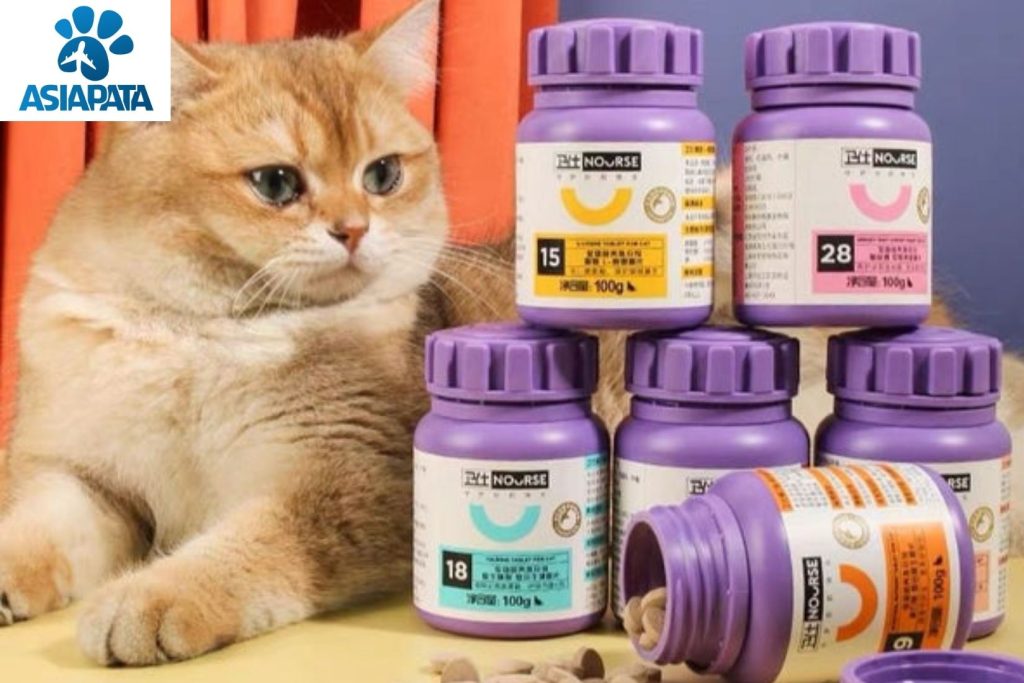
Do dogs and cats need vitamin supplements? This is a common question among pet owners when they notice their pets eating less, shedding more, or becoming less active.
Vitamins and minerals are very important, but not all pets need additional supplementation. If they are eating a complete and balanced diet, healthy dogs and cats usually already receive enough nutrients from their food.
Improper or excessive supplementation can be harmful, so it is important to understand the needs carefully and consult a veterinarian before use.
1. Do dogs and cats need vitamin supplements?
The answer is it depends, but not in all cases.
Dogs and cats need many vitamins and minerals to maintain normal body functions. These nutrients support the immune system, bones, skin, coat, eyes, and metabolism.
However, if your pet is healthy and eating a complete, balanced diet appropriate for its age, additional vitamin supplementation is usually unnecessary.
Instead of relying only on external signs, pet owners should consider:
- What type of food is the pet eating?
- Is the diet complete and balanced?
- What is the pet’s age?
- Are there any medical conditions or special nutritional needs?
- Is the pet pregnant, nursing, or recovering from illness?
These factors determine whether supplementation is needed.
2. What role do vitamins play in dogs and cats?
Vitamins are essential nutrients required in small amounts but play important roles in the body.
Supporting the immune system
A proper diet helps maintain a healthy immune system and resistance to disease.
Supporting bones and teeth
Certain vitamins and minerals contribute to the development and maintenance of strong bones and teeth.
This is especially important for growing pets.
Supporting skin and coat health
Balanced nutrition helps maintain healthy skin and a good-quality coat. However, shedding does not automatically mean a vitamin deficiency.
Hair loss can be caused by many other factors such as seasonal changes, parasites, allergies, skin diseases, or other health issues.
Supporting metabolism
Vitamins and minerals are involved in many metabolic processes that help the body function properly.
3. When might dogs and cats need vitamin supplements?
You should not give vitamins just because your pet shows unusual behavior. However, in some cases, a veterinarian may evaluate nutritional needs.
Incomplete diet
If a homemade diet is not properly formulated, pets may lack certain essential nutrients.
In this case, a veterinarian or pet nutrition specialist can help adjust the diet appropriately.
Growth stage
Puppies and kittens have different nutritional needs compared to adult pets.
Instead of giving supplements, owners should prioritize food formulated for their growth stage.
Pregnancy or nursing
During pregnancy and lactation, nutritional requirements may change.
Supplementation should only be done under veterinary guidance, especially if the pet is already on a specialized diet.
Illness or recovery
Some medical conditions can affect nutrient absorption or increase nutritional needs.
A veterinarian may recommend a specific diet or supplements based on the condition.
Special diets
Pets on restricted or special diets may need nutritional evaluation to ensure adequate intake.
Do not assume a deficiency based only on diet type.

4. Signs that may indicate nutritional issues
Some signs that may suggest a possible nutritional imbalance include:
- Poor appetite
- Weight loss
- Dull coat
- Skin problems
- Fatigue
- Slow growth in young pets
- Reduced activity
However, these signs are not enough to confirm a vitamin deficiency.
For example, shedding may be related to parasites or skin disease, while fatigue can have many different causes.
If symptoms persist or worsen, a veterinary check-up is recommended.
5. Should you buy vitamins for your pets on your own?
This is an important point for pet owners.
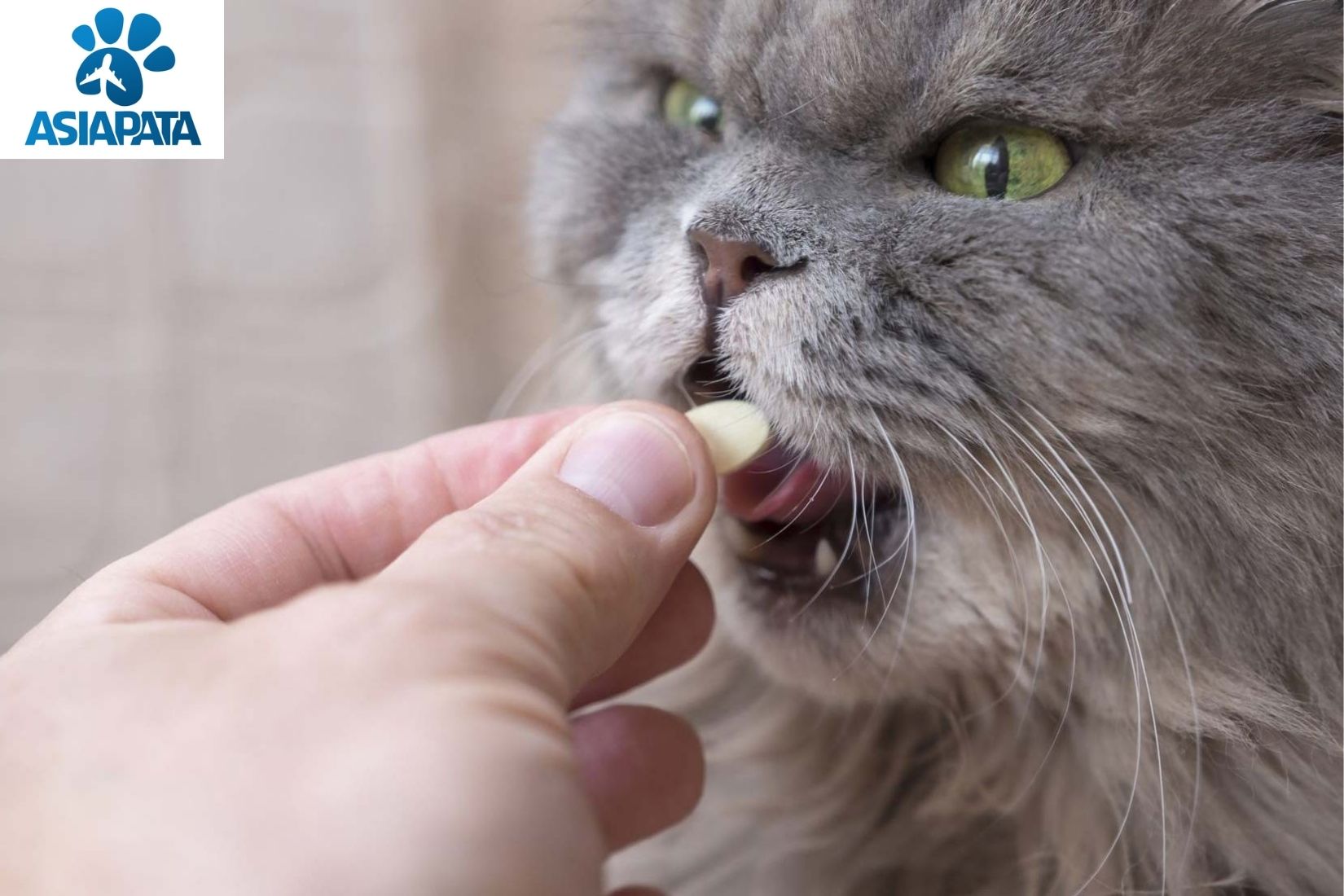
Pet vitamins come in many forms such as chewable tablets, capsules, powders, or liquids. However, not every product is suitable for every dog or cat.
Selection should depend on:
- Species
- Age
- Weight
- Diet
- Health condition
- Actual nutritional needs
If your pet is on medication or has underlying health issues, you should consult a veterinarian before giving supplements.
6. Is too much vitamin supplementation good?
No.
More vitamins do not mean better health.
Some vitamins can accumulate in the body when taken in excess. Over-supplementation may cause nutritional imbalance or health problems.
Pet owners should also avoid combining multiple supplements without understanding the total nutrient intake from food.
The key principle is:
=> Only supplement when there is a real need, and use the correct product and dosage as directed.
7. Are dog vitamins and cat vitamins the same?
They should not be assumed to be the same.
Dogs and cats have different nutritional requirements. Cats, in particular, are obligate carnivores with specific dietary needs.
Therefore, dog supplements should not be given to cats and vice versa.
Always check whether the product is designed for dogs, cats, or both, and read the instructions carefully.
8. How can you ensure your pet gets enough vitamins?
The best way to ensure proper nutrition is to provide a complete and balanced diet.
For commercial pet food
If using commercial food, choose products suitable for your pet’s species, age, and needs.
Avoid changing foods frequently just because you think another brand has more vitamins.
For homemade diets
If you regularly prepare homemade meals, you should research nutritional requirements or consult a professional to ensure balance.
Do not add vitamins or minerals based on guesswork.
9. Common mistakes when giving vitamins to pets
Giving vitamins just because of shedding
Shedding has many causes. It should not automatically be considered a sign of vitamin deficiency.
Thinking more vitamins are always better
Excess nutrients can be harmful rather than beneficial.
Using human vitamins for pets
Do not give human supplements to dogs or cats. Ingredients and dosages may not be suitable.
Combining too many supplements
Using multiple vitamins and supplements at the same time may lead to excessive nutrient intake.
Not reading instructions carefully
Each product has different ingredients and usage guidelines. Always read labels and consult a veterinarian when needed.
10. Frequently asked questions about pet vitamins
1. Do healthy dogs and cats need vitamins?
If your pet is healthy and eating a complete, balanced diet, additional vitamins are usually not necessary.
2. Does shedding in cats mean a vitamin deficiency?
Not necessarily. Shedding can be caused by seasonal changes, parasites, allergies, or skin and health issues.
3. Can human vitamins be used for pets?
No. Human supplements may contain ingredients or dosages unsuitable for pets.
4. Should kittens receive vitamin supplements?
Kittens need proper nutrition for growth. If they are eating complete kitten food, additional vitamins are usually not needed unless prescribed.
5. When should you consult a veterinarian about vitamins?
You should consult a vet if your pet shows abnormal symptoms, has medical conditions, is pregnant or nursing, is on a special diet, or needs dietary adjustments.
11. Conclusion
So, do dogs and cats need vitamin supplements? The answer is not always.
If your pet is healthy and eating a complete, balanced diet, it is usually already getting enough nutrients. Supplements should only be used when truly necessary and ideally under veterinary guidance.
Do not treat vitamins as a solution for every problem. If your pet shows persistent symptoms, focus on finding the underlying cause instead of self-supplementing.
A balanced diet, proper care, and regular health check-ups are the foundation for long-term health in dogs and cats.
XEM THÊM: Summer-Ready Backpack or Bag for Small Dogs: Essential Packing Tips
XEM THÊM: Bad Breath in Dogs: Causes and Effective Solutions
XEM THÊM: Bring pets to the UK
