



Signs Your Pet Needs to Be Taken to a Veterinarian
Pets such as dogs and cats cannot tell their owners when they are in pain or feeling unwell. Therefore, it is very important to recognize the signs that your pet needs veterinary care in order to detect health problems early.
Symptoms such as loss of appetite, vomiting, diarrhea, or fatigue may be temporary. However, if they persist or are accompanied by other abnormal signs, you should take your pet for a check-up immediately.
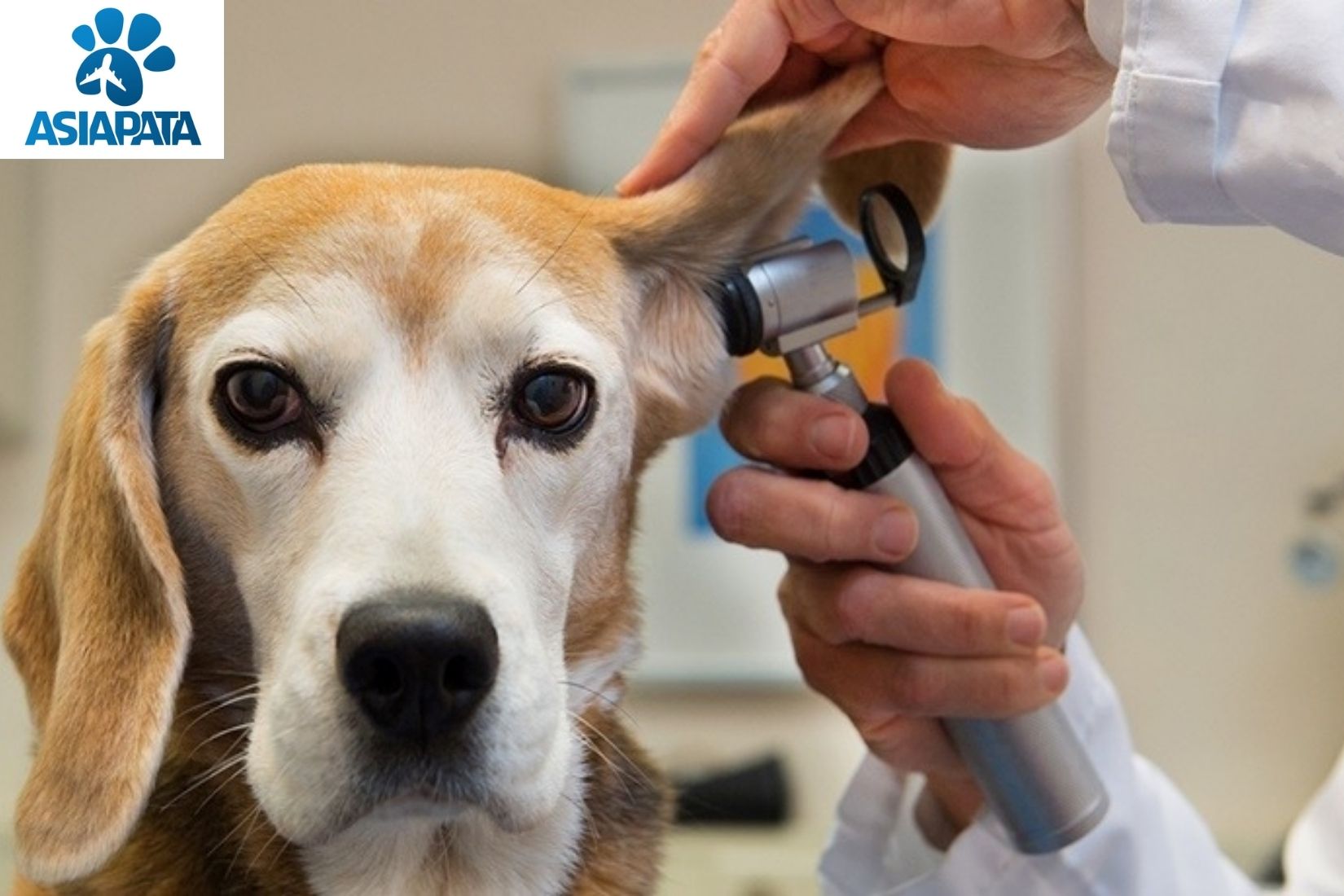
1. Loss of appetite or abnormal drinking behavior
Changes in appetite are among the easiest signs for owners to notice.
If your dog or cat suddenly stops eating, eats less than usual, or loses interest in their favorite food, you should closely monitor their condition.
Especially if loss of appetite is accompanied by:
- Lethargy or reduced activity
- Vomiting
- Diarrhea
- Weight loss
- Fever or trembling
- Abnormally increased water intake
you should take your pet for a veterinary check-up.
Similarly, drinking too much or too little water compared to normal is also a change that should not be ignored.
2. Frequent or prolonged vomiting
Pets may occasionally vomit due to eating too quickly, eating unsuitable food, or mild irritation.
However, if your dog or cat vomits repeatedly, continuously, or shows other abnormal signs, you should not be careless.
Pay special attention if your pet:
- Vomits blood
- Cannot keep food or water down
- Becomes weak and unresponsive
- Shows abdominal pain
- Stops eating
- Has diarrhea at the same time
In these cases, you should take your pet to a veterinary clinic for evaluation.

3. Prolonged diarrhea or diarrhea with blood
Diarrhea may occur when pets change food, eat inappropriate items, or have digestive issues.
If diarrhea is short-term and your pet remains alert and eats normally, you can continue monitoring.
However, prolonged diarrhea, frequent diarrhea, or diarrhea with blood is a sign that requires attention.
The risk of dehydration is also higher when vomiting and diarrhea occur together.
4. Difficulty breathing or abnormal breathing
Difficulty breathing is a symptom that should not be delayed.
You should pay attention if your pet:
- Breathes rapidly or with difficulty
- Breathes through the mouth abnormally
- Coughs frequently
- Makes unusual sounds while breathing
- Extends the neck to breathe
- Has abnormal gum or tongue color
- Suddenly becomes weak or collapses
If your pet shows clear signs of breathing difficulty, you should take them to a veterinary clinic as soon as possible.
5. Sudden behavioral changes
Owners are usually the ones who best understand their pet’s daily habits. Therefore, unusual behavioral changes can be an important warning sign.
For example:
- Dogs become less active
- Cats hide more than usual
- Pets avoid being touched
- Constant whining or groaning
- Sudden aggression
- Loss of interest in favorite activities
- Sleeping significantly more than usual
These changes do not always indicate illness, but if they appear suddenly or persist, you should monitor and consider taking your pet for a check-up.
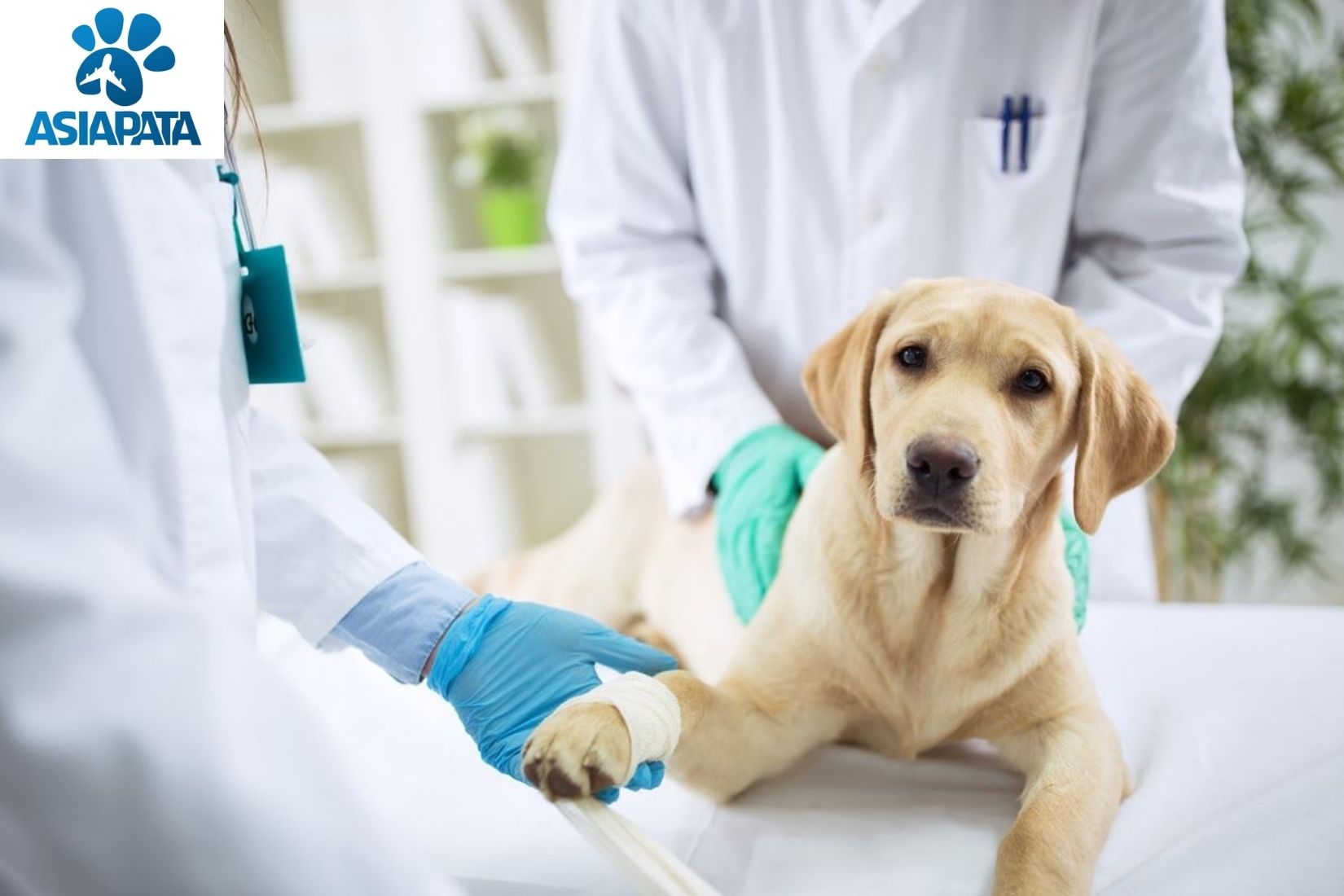
6. Pain or difficulty moving
If your dog or cat suddenly limps, refuses to run or jump, or has difficulty standing up, this may indicate injury or musculoskeletal problems.
Some signs to watch for include:
- Limping
- Refusing to climb stairs
- Difficulty standing up or lying down
- Crying when touched in a specific area
- Excessive licking or biting of one area
- Reluctance to move
Do not self-massage or give human painkillers to your pet.
7. Red, swollen, or watery eyes
A pet’s eyes are very sensitive. If your pet has red, swollen eyes, excessive tearing, or abnormal discharge, you should pay attention.
Especially if your pet:
- Frequently rubs its eyes
- Keeps one eye closed or squinting
- Has cloudy eyes
- Has abnormal colored discharge
- Shows signs of pain
you should take them for a check-up.
Do not use human eye drops without veterinary guidance.
8. Abnormal gum or tongue color
Gum color can provide important information about your pet’s health.
If you notice that your pet’s gums or tongue have an unusual color compared to normal, especially when accompanied by difficulty breathing, weakness, or fainting, you should seek veterinary care immediately.
This is one of the signs that should not be handled at home without a clear diagnosis.

9. Difficulty urinating or changes in bathroom habits
Changes in urination or defecation habits should also be monitored.
Some warning signs include:
- Frequent urination with small amounts
- Straining while urinating
- Crying during urination
- Blood in urine
- Sudden inappropriate urination
- Inability to urinate
In particular, inability to urinate is an emergency condition, especially in male cats.
10. Sudden weight loss or gain
Significant weight changes over a short period may be related to diet, activity level, or underlying health issues.
If your pet eats normally but still loses weight, or gains weight rapidly without major dietary changes, you should take them for a check-up.
Regular weight monitoring is a simple way to detect early abnormalities.
11. Lumps or abnormal swelling
When petting or grooming your pet, you may notice lumps or swollen areas on their body.
Not all lumps are dangerous, but if a lump:
- Grows quickly
- Changes in size or shape
- Bleeds or discharges fluid
- Causes pain
- Leads to constant licking or biting
you should take your pet to a veterinarian for examination.
12. Seizures, fainting, or loss of balance
Seizures, fainting, or loss of balance are symptoms that require special attention.
If your pet has a seizure, keep your distance from its mouth, remove nearby objects that could cause injury, and take it to a veterinary clinic for evaluation.
Do not restrain the pet or put your hand in its mouth during a seizure.
13. Injury or ingestion of toxic substances
If your dog or cat is hit by a vehicle, falls from a height, is bitten, or suffers a strong injury, veterinary examination may be necessary even if there are no visible wounds.
Similarly, if you suspect your pet has ingested medication, chemicals, cleaning products, or toxic foods, do not induce vomiting or use home remedies.
Contact a veterinary clinic for proper instructions.
14. How to monitor your pet’s health at home
You do not need to wait until your pet shows obvious symptoms to start caring about its health.
You can build simple daily habits:
- Observe food and water intake
- Monitor urination and defecation
- Check eyes, ears, and mouth
- Observe activity levels
- Track body weight
- Check skin and coat condition
- Pay attention to behavioral changes
- Schedule regular veterinary check-ups
Understanding your pet’s normal behavior will help you easily detect abnormalities.

15. Frequently asked questions about signs your pet needs a vet
1. How long can a pet go without eating before seeing a vet?
It depends on age and health condition. If accompanied by vomiting, diarrhea, lethargy, or pain, seek veterinary care early.
2. Does a single episode of vomiting require a vet visit?
One episode is not always serious. However, if vomiting recurs, contains blood, or is accompanied by unusual symptoms, a check-up is recommended.
3. Is it normal for a cat to hide at home?
It may be due to stress or rest. However, if combined with loss of appetite, low activity, or pain, it should be monitored closely.
4. Should I give my pet medication on my own?
No. Medication must be appropriate for the species and dosage. Always consult a veterinarian first.
16. Conclusion
Early recognition of signs that your pet needs veterinary care helps ensure timely treatment when dogs and cats face health issues. Symptoms such as loss of appetite, vomiting, diarrhea, difficulty breathing, pain, or behavioral changes should always be taken seriously.
Do not self-diagnose or self-treat. If you notice anything unusual, contact a veterinarian for advice.
Observing your pet daily and seeking timely care will help keep them healthy and happy.
XEM THÊM: Bad Breath in Dogs: Causes and Effective Solutions
XEM THÊM: Summer-Ready Backpack or Bag for Small Dogs: Essential Packing Tips
XEM THÊM: Bring pets to the UK
