


Animal Care During Air Transportation: Essential Tips for a Safe and Comfortable Journey
Air transportation is one of the fastest ways to transport animals over long distances. It is commonly used for pets, livestock, breeding animals, and other live animals. However, flying can create several challenges for animals.
Changes in temperature, air pressure, noise, and unfamiliar surroundings may cause stress. Long waiting times and improper handling can also affect animal health.
Therefore, proper animal care during air transportation is essential. Owners, breeders, airlines, and animal transport providers must work together to ensure safe handling throughout the journey.
This article explains how to care for animals before, during, and after air transportation. It also highlights important preparation steps and safety measures for different types of animals.
1. Why Is Animal Care Important During Air Transportation?
Animals experience different conditions when traveling by air. They may spend time at the airport, inside transport facilities, and in aircraft cargo areas. These environments can be unfamiliar and stressful.
Without proper preparation, animals may experience dehydration, exhaustion, anxiety, or other health problems.
Good animal care helps to:
- Reduce stress during transportation.
- Maintain normal body temperature.
- Prevent dehydration and physical exhaustion.
- Reduce the risk of injury.
- Ensure suitable ventilation and space.
- Support animal health throughout the journey.
- Improve safety during loading, unloading, and handling.
Animal welfare should remain a priority at every stage. Transportation arrangements must consider the species, size, age, health condition, and individual needs of each animal.
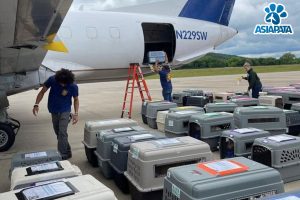
2. Preparing Animals Before Air Transportation
Preparation is one of the most important steps in live animal transportation. A well-prepared animal is more likely to cope with the journey.
2.1. Check the Animal’s Health Condition
Before booking an air shipment, owners should assess the animal’s overall health.
Animals should be healthy enough to travel. Sick, injured, weak, or highly stressed animals may face additional risks during transportation.
A veterinary examination is recommended before departure. The veterinarian can evaluate the animal’s physical condition and identify possible travel risks.
Special attention should be given to:
- Breathing and respiratory condition.
- Heart function and general physical health.
- Signs of infection or illness.
- Mobility and ability to stand comfortably.
- Pregnancy or recent childbirth.
- Age-related health concerns.
Animals with existing medical conditions may require additional assessment. Some conditions may make air transportation unsuitable.
2.2. Prepare the Required Documents
Documentation is essential when transporting animals by air, especially for international shipments.
Requirements vary depending on the destination country, animal species, airline, and transportation purpose.
Common documents may include:
- Veterinary health certificate.
- Vaccination records.
- Import permit.
- Export permit, where applicable.
- Microchip identification details.
- Rabies vaccination certificate, where required.
- Parasite treatment records, where required.
- CITES permits for protected species, when applicable.
For international transportation, owners should check the destination country’s animal import regulations in advance.
Missing or incorrect documents may result in shipment delays, additional inspections, quarantine, or refusal of entry.
2.3. Help Animals Become Familiar with Their Travel Crates
Animals should have enough time to become familiar with their transport containers.
Sudden confinement in an unfamiliar crate can increase anxiety. Owners can introduce the crate gradually before the departure date.
Useful preparation methods include:
- Allowing the animal to explore the crate.
- Placing familiar bedding inside.
- Providing positive reinforcement.
- Practicing short periods inside the crate.
- Ensuring the animal can stand, turn around, and lie down comfortably.
The crate must be suitable for the animal’s species and size. It should be secure, well-ventilated, and strong enough to protect the animal during handling.
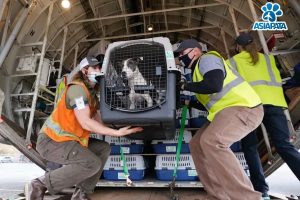
3. Choosing the Right Animal Transport Container
A suitable transport container is essential for animal safety.
The container should prevent escape and reduce the risk of injury. It must also provide sufficient ventilation and space.
Different animals require different container designs.
3.1. Containers for Dogs and Cats
Dogs and cats are commonly transported by air. Their containers should be sturdy and properly secured.
Important requirements include:
- Adequate ventilation openings.
- A secure locking mechanism.
- A leak-resistant bottom.
- Enough space for natural movement.
- Smooth internal surfaces.
- Absorbent bedding.
- Food and water containers when required.
The container should not be excessively large. However, it must allow the animal to stand naturally, turn around, and lie down comfortably.
3.2. Containers for Birds
Birds are sensitive to environmental changes. They may become stressed by loud noises, sudden movements, and unfamiliar surroundings.
Their transport containers should provide:
- Appropriate ventilation.
- Secure doors and openings.
- Stable perches where suitable.
- Protection from direct drafts.
- Sufficient space for natural positioning.
The design should reduce the risk of wing or feather injuries.
3.3. Containers for Rabbits and Small Mammals
Rabbits, guinea pigs, hamsters, and other small mammals require careful handling.
They can be sensitive to temperature changes and excessive noise.
Their containers should include suitable bedding and enough space for comfortable positioning. Ventilation must be adequate without exposing them to strong airflow.
Owners should also consider the animal’s natural behavior. Some species may become distressed when transported alone, while others may need separate containers to prevent fighting.
3.4. Containers for Reptiles
Reptiles have specific environmental requirements. Their body temperature and activity levels are influenced by external conditions.
Transport containers should be designed according to the species.
Important considerations include:
- Appropriate temperature control.
- Secure containment.
- Suitable ventilation.
- Protection against excessive movement.
- Moisture management when required.
- Prevention of escape.
Some reptiles require specialized packaging and handling procedures. Owners should consult experienced animal transport professionals before arranging a shipment.

4. Maintaining Suitable Temperature During Air Transportation
Temperature management is one of the most important aspects of animal care during air transportation.
Animals can react differently to heat and cold. Some species are highly sensitive to sudden temperature changes.
High temperatures may cause overheating and dehydration. Low temperatures may lead to chilling and other health complications.
To reduce these risks, transportation arrangements should consider:
- The animal’s species and natural habitat.
- Weather conditions at departure and arrival airports.
- Ground handling and waiting times.
- Aircraft and cargo handling arrangements.
- Seasonal temperature variations.
- Special requirements for temperature-sensitive species.
Animals should not be left in unsuitable environments for extended periods.
Transport providers should also coordinate with relevant airline teams to confirm the available handling conditions for live animal shipments.
5. Providing Food and Water Before and During the Flight
Nutrition and hydration are important for maintaining animal health during transportation.
However, feeding arrangements should depend on the species, travel duration, and veterinary recommendations.
5.1. Feeding Before Departure
Owners should avoid making sudden changes to an animal’s diet before travel.
A familiar feeding routine may help reduce digestive problems and stress.
Large meals immediately before departure may not be suitable for some animals. However, fasting should never be applied without considering the animal’s species, age, health, and veterinary advice.
Young animals and certain small species may require more frequent feeding than adult animals.
5.2. Ensuring Access to Water
Water is essential during transportation.
Animals should have access to suitable drinking water before departure. For longer journeys, appropriate water containers or hydration arrangements may be necessary.
Water containers should be securely attached to the crate when required.
Owners should also consider the possibility of water leakage. The container must be designed to reduce spills while remaining accessible to the animal.
5.3. Special Feeding Requirements for Different Species
Different animals have different nutritional needs.
- Dogs and cats: Maintain familiar food routines and avoid unfamiliar meals before travel.
- Birds: Provide suitable food according to species-specific requirements.
- Rabbits: Ensure access to appropriate hay and consider their sensitive digestive systems.
- Reptiles: Follow species-specific feeding and hydration guidance.
For long-distance transportation, feeding and watering arrangements should be planned in advance.
6. Reducing Stress and Anxiety During Air Transportation
Stress is a common challenge for animals during air travel.
Unfamiliar sounds, vibrations, handling procedures, and changes in environment may cause anxiety.
Some animals may become restless, vocalize excessively, refuse food, or show unusual behavior.
Several measures can help reduce stress.
6.1. Keep the Animal’s Environment Familiar
Familiar bedding or suitable items carrying the animal’s usual scent may provide comfort.
However, these items must not obstruct ventilation or create a safety risk.
6.2. Minimize Unnecessary Handling
Animals should be handled calmly and carefully.
Unnecessary handling may increase stress, especially for birds, reptiles, and small mammals.
Trained personnel should follow suitable handling procedures for each species.
6.3. Avoid Excessive Noise and Sudden Movements
Loud noises and sudden movements may frighten animals.
During airport handling, transport containers should be moved carefully. They should not be dropped, shaken, or exposed to unnecessary impacts.
6.4. Be Careful with Sedatives
Sedation is not a general solution for travel anxiety.
Sedatives and tranquilizers may affect an animal’s ability to respond to changes during transportation. They can also create additional health risks.
Any medication must be discussed with a qualified veterinarian. Owners should never administer sedatives without professional guidance.
7. Animal Care During Airport Handling and Flight Operations
Animal care does not begin only when the aircraft takes off. It must continue throughout airport handling.
The time before departure and after landing can be particularly important.
7.1. Care During Check-in
At check-in, staff may inspect the transport container and accompanying documents.
Owners should ensure that all required information is accurate. The animal should be secured inside the approved container.
The crate should have clear identification details. Contact information and handling instructions should be attached where required.
7.2. Care During Loading
Loading is a critical stage of animal transportation.
Transport containers must be handled carefully. They should be placed in the designated area according to the airline’s procedures.
Personnel should avoid placing heavy cargo on top of animal containers.
Adequate ventilation and suitable handling conditions must be maintained.
7.3. Care During the Flight
During the flight, animals should remain in the approved transport area.
Airline procedures determine how live animals are accommodated and monitored. Access to animals during flight may be restricted.
For this reason, proper preparation before departure is essential.
The selected transport service must be suitable for the animal species and shipment requirements.
7.4. Care After Landing
After landing, animals should be unloaded carefully and transferred to the designated handling area.
Owners or receiving parties should arrange prompt collection when permitted.
The animal should be observed for signs of stress, dehydration, injury, or unusual behavior after arrival.
8. Special Care for Different Types of Animals
Not all animals respond to air transportation in the same way. Their care requirements must be adjusted according to their biological characteristics.
8.1. Dogs and Cats
Dogs and cats may experience anxiety when separated from familiar people and environments.
Before transportation, owners should check vaccination requirements and ensure that the animal is comfortable with its crate.
After arrival, provide fresh water and a quiet environment. Allow the animal time to adjust before introducing new surroundings.
8.2. Birds
Birds are sensitive to sudden environmental changes.
Their containers should protect them from excessive noise, direct drafts, and unnecessary movement.
Owners should also check species-specific requirements. Some birds may require special permits for international transportation.
8.3. Rabbits and Guinea Pigs
Rabbits and guinea pigs can be particularly sensitive to heat and stress.
They require suitable ventilation and careful temperature management.
Their digestive health should also be considered. Owners should follow veterinary advice regarding feeding before and during transportation.
8.4. Reptiles and Amphibians
Reptiles and amphibians require specialized environmental conditions.
Temperature, humidity, ventilation, and containment must be suitable for each species.
Some species are also subject to international wildlife trade restrictions. Relevant permits and legal requirements should be checked before shipment.
8.5. Livestock and Breeding Animals
Livestock transportation requires careful planning because animals may be transported in larger groups.
Important considerations include:
- Sufficient space for each animal.
- Suitable ventilation.
- Protection against injury.
- Appropriate feeding and watering arrangements.
- Separation of incompatible animals.
- Veterinary inspection and health documentation.
Breeding animals may also require additional care due to their age, reproductive condition, and commercial value.
9. Common Health Problems During Air Transportation
Although proper preparation can reduce risks, animals may still experience health problems during transportation.
Owners and transport providers should recognize unusual signs.
9.1. Dehydration
Dehydration may occur when animals do not receive enough water.
Possible signs include unusual weakness, dry mouth, reduced activity, and changes in normal behavior.
Hydration arrangements should be planned according to the species and journey duration.
9.2. Overheating
Overheating can become dangerous, especially in hot weather.
Warning signs may include excessive panting in dogs, weakness, unusual breathing, and reduced responsiveness.
Temperature management is essential throughout airport handling and transportation.
9.3. Respiratory Problems
Changes in environmental conditions and existing health issues may affect an animal’s breathing.
Difficulty breathing should be treated as an urgent warning sign.
Animals showing respiratory distress need prompt veterinary assessment.
9.4. Physical Injuries
Improper handling and unsuitable containers may cause injuries.
Containers should be checked before departure. Internal surfaces should be smooth, and all doors and locks should be secure.
9.5. Severe Stress
Some animals may show strong stress responses.
These can include excessive vocalization, unusual movement, refusal to eat, or abnormal behavior.
Owners should seek veterinary advice if symptoms are severe or continue after arrival.
10. What Should Owners Do After Animals Arrive?
Animal care should continue after the flight.
Arrival can be another stressful stage because animals must adjust to a new environment.
Owners should follow several important steps.
- Collect the animal promptly: Arrange collection as soon as the airline’s procedures allow.
- Check physical condition: Look for visible injuries, unusual breathing, or signs of dehydration.
- Provide fresh water: Allow the animal to drink according to its needs.
- Offer a quiet environment: Reduce noise and unnecessary handling.
- Follow familiar routines: Return gradually to normal feeding and activity schedules.
- Monitor behavior: Observe the animal for unusual symptoms after arrival.
- Contact a veterinarian when necessary: Seek professional assistance if the animal appears unwell.
Animals may need time to recover from the journey. Owners should avoid exposing them to additional stress immediately after arrival.
11. Important Regulations for International Animal Air Transportation
International animal transportation involves more than airline booking.
Each destination country may have different import requirements. These regulations are designed to protect animal health, public health, and local ecosystems.
Before shipping animals internationally, owners should check:
- Import and export permits.
- Veterinary health certificates.
- Vaccination requirements.
- Microchip identification rules.
- Quarantine requirements.
- Species-specific restrictions.
- CITES regulations for protected wildlife.
- Airline live animal acceptance conditions.
The International Air Transport Association (IATA) publishes Live Animals Regulations (LAR), which provide internationally recognized guidance for the air transportation of live animals.
However, airline acceptance policies and national regulations may impose additional requirements.
Owners should confirm all conditions with the relevant authorities and airline before the planned departure date.
12. How to Choose a Reliable Live Animal Air Transportation Service
Choosing an appropriate transport provider is important for animal safety.
Not every freight service is suitable for live animal shipments. Animals require specialized handling, documentation, and transportation arrangements.
Before selecting a provider, owners should consider:
- Experience with the relevant animal species.
- Knowledge of international animal transportation requirements.
- Ability to coordinate with airlines.
- Appropriate transport container guidance.
- Clear documentation procedures.
- Communication throughout the shipment process.
- Support with destination requirements.
A reliable provider should explain the transportation process clearly. It should also identify potential risks before the shipment is arranged.
Owners should provide accurate information about the animal’s species, size, age, health condition, origin, and destination.
This helps the transport provider assess the shipment and recommend a suitable transportation plan.
13. Frequently Asked Questions About Animal Care During Air Transportation
13.1. Is air transportation safe for animals?
Air transportation can be suitable for many animals when they are healthy enough to travel and all transportation requirements are met.
Safety depends on species, health condition, container design, flight arrangements, and handling procedures.
13.2. How can I reduce stress before my pet’s flight?
Help your pet become familiar with its transport crate before departure. Maintain familiar routines and avoid unnecessary changes to its diet.
A veterinary consultation can help determine whether the animal is fit to travel.
13.3. Can animals eat and drink during a flight?
Feeding and watering arrangements depend on the species, airline procedures, and journey duration.
Owners should plan these requirements before departure. Suitable containers may be necessary for longer journeys.
13.4. Should I give my pet sedatives before flying?
Sedatives should not be given without veterinary advice.
Some medications may create additional risks during air transportation. A veterinarian should assess the animal before any medication is considered.
13.5. What documents are required to transport animals internationally?
Common documents include veterinary health certificates, vaccination records, import permits, export permits, and identification details.
Requirements vary by destination country and animal species. Owners should check the latest regulations before shipping.
13.6. What should I do if my animal becomes unwell after the flight?
Provide a quiet environment and observe the animal carefully.
If it shows difficulty breathing, severe weakness, injury, or other concerning symptoms, seek veterinary assistance immediately.
14. Conclusion: Prioritizing Animal Welfare During Air Transportation
Animal care during air transportation requires careful preparation and professional coordination.
From health checks and documentation to crate selection, temperature management, and airport handling, every stage can affect animal safety.
Owners should understand the specific needs of their animals before arranging a flight. They should also work with experienced transport providers and follow airline and destination-country requirements.
With proper planning, air transportation can become a more controlled and comfortable experience for animals.
AsiapaTa supports the importance of responsible live animal transportation. Proper preparation, suitable handling, and attention to animal welfare are essential for every journey.
Xem thêm: Regulations for Importing Exotic Birds into Vietnam: Permits, Documents and Quarantine Requirements
Xem thêm: Why Are More International Airports Building Pet Relief Areas?
Xem thêm: Bad Breath in Dogs: Causes and Effective Solutions
