
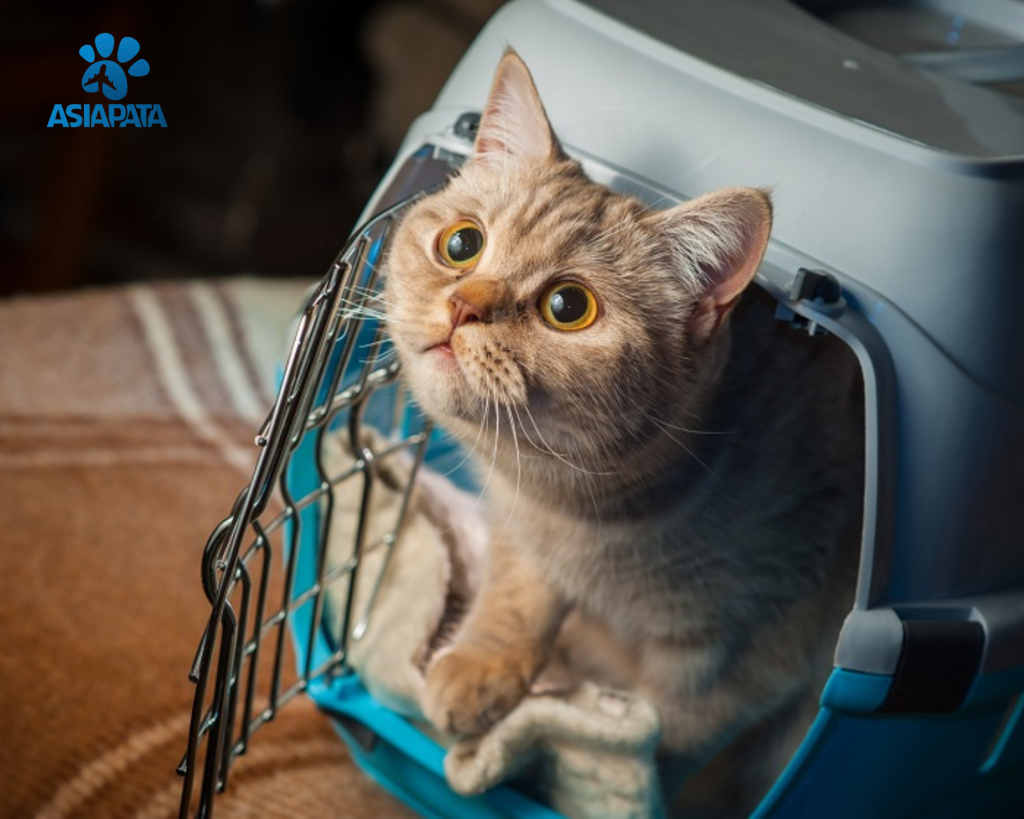
Flying With Pets in Winter: Essential Things You Must Know

Winter is one of the most challenging seasons for pet air travel. Low temperatures, unpredictable weather, airline restrictions, and increased risks during transit mean pet owners need to prepare more carefully than usual. If you’re planning to fly your dog or cat during the cold season, this guide outlines the key considerations to ensure your pet travels safely and comfortably.
1. Temperature Restrictions & Airline Policies
Many airlines have strict cold-weather rules to protect animals from frostbite or hypothermia during loading and unloading.
Typical winter restrictions may include:
-
Minimum temperature requirements (often around –7°C to 7°C depending on the airline).
-
Cold-weather embargoes, where certain airports or routes do not allow pet cargo travel in deep winter.
-
Limited travel hours, especially early morning or late at night when temperatures drop.
Always confirm with your airline at least 48–72 hours before departure.
2. Choose Airports and Routes Carefully
Winter temperatures vary by region, and some airports are much more pet-friendly than others.
Prefer:
-
Airports with indoor animal holding areas
-
Airports with direct connections to avoid layovers in freezing cities
-
Midday flights (warmest time of the day)
Avoid:
-
Long layovers
-
High-risk winter airports (Chicago, Toronto, Frankfurt, Sapporo, etc.)
-
Destinations with frequent winter storms
3. Use an IATA-Approved Travel Crate With Winter Modifications
A proper crate makes a huge difference during winter.
Winter crate essentials:
-
Absorbent pads to keep the pet dry
-
Extra bedding or insulated liners (but avoid overheating)
-
A high-quality water bottle that won’t freeze easily
-
Security fasteners, double-locking doors, and ventilation that still allows airflow
Never block ventilation holes—even in cold weather.
4. Keep Your Pet Warm, But Not Overheated
Over-warming can cause panting, dehydration, and stress during the flight.
Best practices:
-
Use thin but warm fleece blankets.
-
Avoid thick coats in checked cargo—they can cause overheating.
-
For brachycephalic breeds (Pug, French Bulldog, Persian cat), consider cabin travel whenever possible.
5. Monitor Weather Conditions Closely
Winter weather changes quickly. Snowstorms or heavy winds may delay or cancel flights.
Tips:
-
Track the weather at both departure and arrival airports for 48 hours prior.
-
Have a backup plan in case the airline issues a winter embargo.
-
Keep your phone available for last-minute airline updates.
6. Health Check Before Flying

Cold weather puts extra pressure on pets with certain conditions.
Recommended before flying:
-
Full vet check-up
-
Health certificate (usually required within 5–10 days of departure)
-
Confirm your pet is free from respiratory or cardiovascular issues
For senior pets or very young animals, winter flights should be considered carefully.
7. Hydration & Feeding Guidelines
Most airlines recommend:
-
No feeding 4–6 hours before flight to avoid vomiting
-
Water access inside the crate throughout the journey
-
A small amount of wet food for cats if necessary (helps hydration)
Dehydration is a real concern in cold, dry winter air.
8. Arrive Early & Keep Your Pet Warm Before Check-In
Keep the pet indoors until the last possible minute.
When checking in:
-
Avoid outdoor waiting areas
-
Provide the airline with any special instructions
-
Ensure the crate is labeled: LIVE ANIMALS, owner contact, and emergency numbers
9. Consider Professional Pet Relocation Services
Winter travel is complex, especially with airline restrictions, connecting routes, and weather unpredictability. A professional pet transport company can:
-
Choose safe routes
-
Monitor temperature rules
-
Arrange heated cargo holding areas
-
Handle documentation
-
Reduce stress for both owner and pet
Conclusion
Flying pets during winter requires careful planning, proper equipment, and close monitoring of weather and airline policies. With the right preparation, your pet can travel safely—even during the coldest months of the year.
Xem thêm:
- Rabies Titer Test Là Gì? Quy Trình Test Dại Chuẩn Quốc Tế
- Các quốc gia mới mở lại dịch vụ nhập cảnh thú cưng
