

Are There Different Rules for Pet Entry at Night vs. Day?
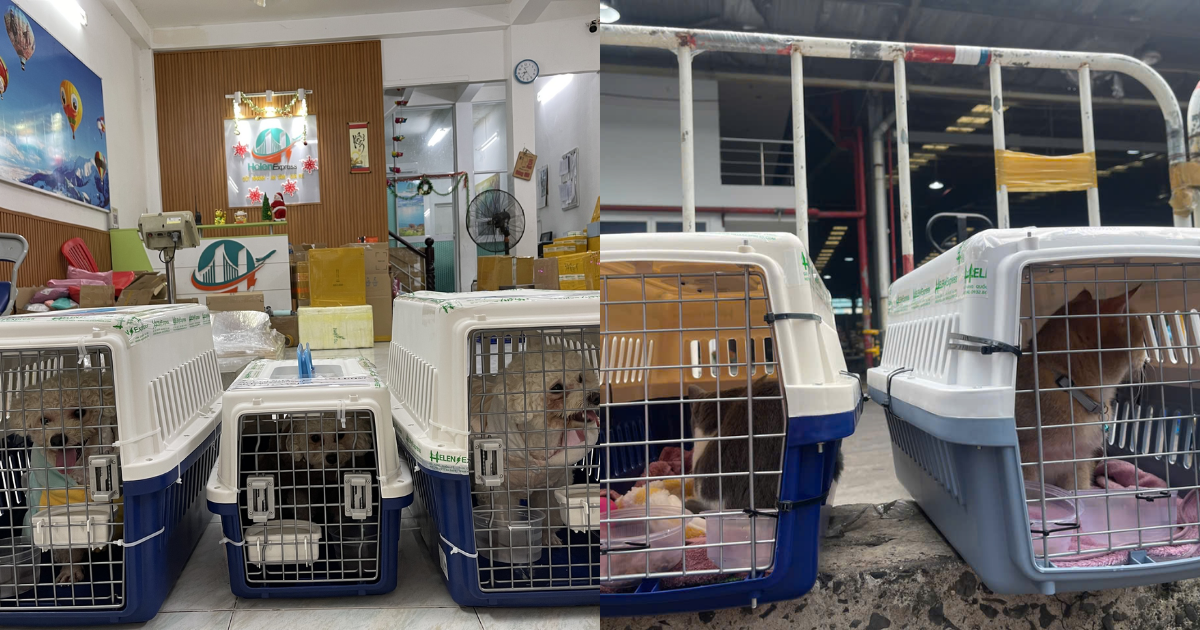
When relocating pets internationally, many pet owners wonder whether arriving at night affects the import process compared to arriving during daytime. While the core health and documentation requirements remain the same, the procedures and convenience can vary significantly depending on the time of arrival.
Below is a clear breakdown to help you plan your pet’s travel more smoothly.
1. Import Requirements Do NOT Change
Whether your pet lands at night or during the day, the following requirements remain the same:
-
Valid rabies vaccination
-
Microchip (for most countries)
-
Required health certificates
-
Import permits (if applicable)
-
Compliance with airline and IATA regulations
📝 There is no difference in legal entry requirements between day and night.
2. What does change: Airport & Customs Operations
While the rules do not change, operational conditions often do.
Daytime Arrivals
✔ More officers on duty
✔ Faster veterinary inspection
✔ Smoother customs clearance
✔ Immediate access to quarantine or cargo services
→ Clearance is usually quicker and more predictable.
Night Arrivals
⚠ Fewer staff on duty
⚠ Possible delays in veterinary checks
⚠ Limited availability of customs officers
⚠ Some airports do not offer full animal quarantine services at night
→ Your pet may need to wait until the next morning for release.
3. Additional Fees for After-Hours Processing
Many countries charge after-hours or emergency inspection fees if the pet arrives at night, typically between:
-
10–150 USD depending on destination
-
Higher for special veterinary services
Some airports only have a standby vet, which increases the cost and waiting time.
4. Risk of Extended Holding Time

For night arrivals, pets may be temporarily held at:
-
Cargo terminals
-
Animal reception centers
-
Quarantine stations
This can increase:
-
Stress for the pet
-
Boarding/handling fees
-
Time before owners can pick them up
5. Best Practice: Choose Daytime Arrivals Whenever Possible
To ensure smooth processing:
-
Select flights landing between 8:00 AM – 4:00 PM
-
Avoid weekends and public holidays
-
Confirm your destination airport’s veterinary office hours
Some countries (e.g., Australia, Japan, New Zealand) strictly require daytime inspections only.
Conclusion
While the requirements stay the same, the experience is very different.
Daytime arrivals offer:
-
Faster processing
-
Lower fees
-
Less stress for pets
-
Higher availability of veterinary and customs staff
Night arrivals often mean:
-
Longer waiting times
-
Additional charges
-
Limited service availability
For the safest and smoothest experience, it is highly recommended to schedule your pet’s flight to arrive during daytime operation hours.
Xem thêm
Bí Quyết Vận Chuyển Thú Cưng An Toàn Trong Mùa Nóng: Từ Đà Nẵng Đến TP.HCM
Dịch Vụ Vận Chuyển Thú Cưng Nội Địa Và Quốc Tế
