

Introduction
Cats are naturally alert animals with highly sensitive hearing. While this ability helps them detect danger in the wild, it can also cause discomfort in everyday environments where loud or unexpected sounds are common. A noise-sensitive cat may become anxious, hide frequently, lose appetite, or show stress behaviors when exposed to noises such as fireworks, thunderstorms, construction work, or household appliances. To help your cat feel safe and comfortable, understanding how to prepare for noise-related stress is essential. The following guide provides clear and practical steps to support a noise-sensitive cat in various situations.

1. Why cats are naturally sensitive to sound
Cats can hear frequencies nearly twice as high as humans, allowing them to detect even the softest or highest-pitched noises. Their ears rotate independently, enhancing their ability to pinpoint sound sources quickly. While this is beneficial in nature, loud or sudden noise indoors can trigger fear or stress.
Common sounds that trigger a noise-sensitive cat include:
-
Fireworks or loud celebrations
-
Thunderstorms and heavy rain
-
Construction noises such as drilling or hammering
-
Vacuum cleaners, blenders, or loud appliances
-
Traffic and honking
-
Dogs barking or unfamiliar voices
Understanding these triggers helps owners prepare an environment that reduces stress.
2. Signs your cat may be noise-sensitive
A noise-sensitive cat may show subtle or very clear behavioral indicators. Paying attention to these signs helps you respond early before stress escalates.
Common signs include:
-
Hiding under furniture or in small dark spaces
-
Trembling or flattening the ears
-
Dilated pupils or hyper-alert posture
-
Excessive meowing or sudden silence
-
Loss of appetite during loud events
-
Aggressive reactions when scared
-
Accidental urination or defecation due to anxiety
If these behaviors appear frequently, your cat may need long-term support.
3. Creating a safe space for your cat
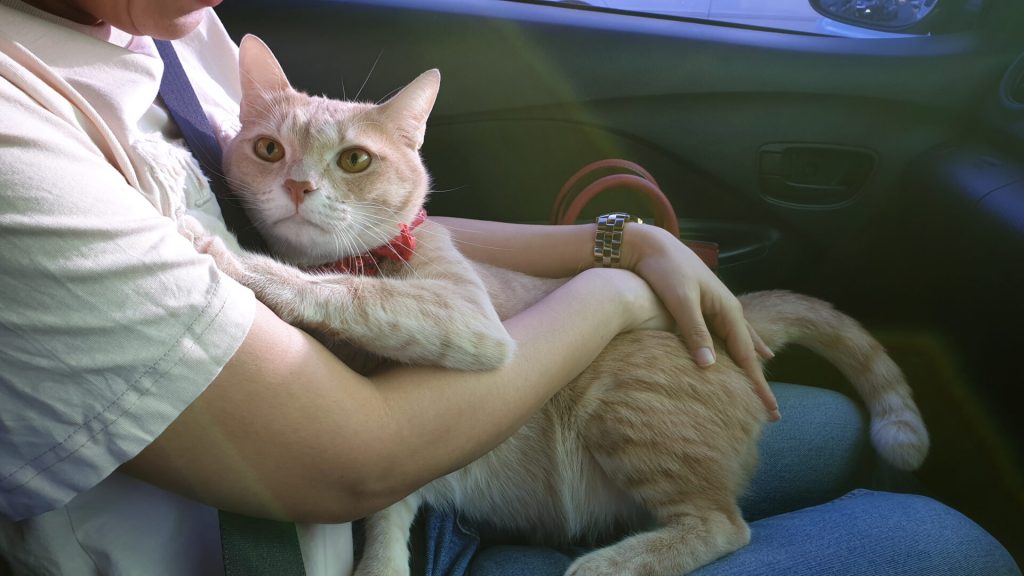
The most effective way to support a noise-sensitive cat is to provide a controlled environment where they feel secure. A safe space can reduce stress immediately during loud events.
Elements of a good safe space:
-
A quiet corner away from windows and doors
-
A comfortable bed, box, or cat cave where your cat can hide
-
Soft blankets with familiar scents
-
Limited light, as darkness calms overstimulated cats
-
A hiding box placed above ground level for cats who prefer height
Make sure your cat knows this space well before any noisy event occurs.
4. Using calming background sounds
Soft, steady sounds help mask loud noises and prevent sudden audio shocks. This is particularly effective for a noise-sensitive cat during events like fireworks or storms.
You can use:
-
White noise (fans, air purifiers)
-
Calming music for pets
-
Nature sounds like flowing water or soft rain
-
Low-volume ambient music
The goal is not to drown out loud sounds completely, but to reduce their sharpness and prevent sudden startles.
5. Comfort objects that help reduce anxiety
Familiar scents and textures can reduce stress because they remind your cat of safety and routine. This is especially useful if your noise-sensitive cat hides or acts fearful during loud situations.
Helpful items include:
-
A favorite toy or plush
-
A blanket with your scent
-
Your worn T-shirt placed in their hiding space
-
Catnip (only if your cat responds positively; not all do)
Familiarity helps your cat calm down faster and feel supported.
6. Reducing external stimuli before noise occurs
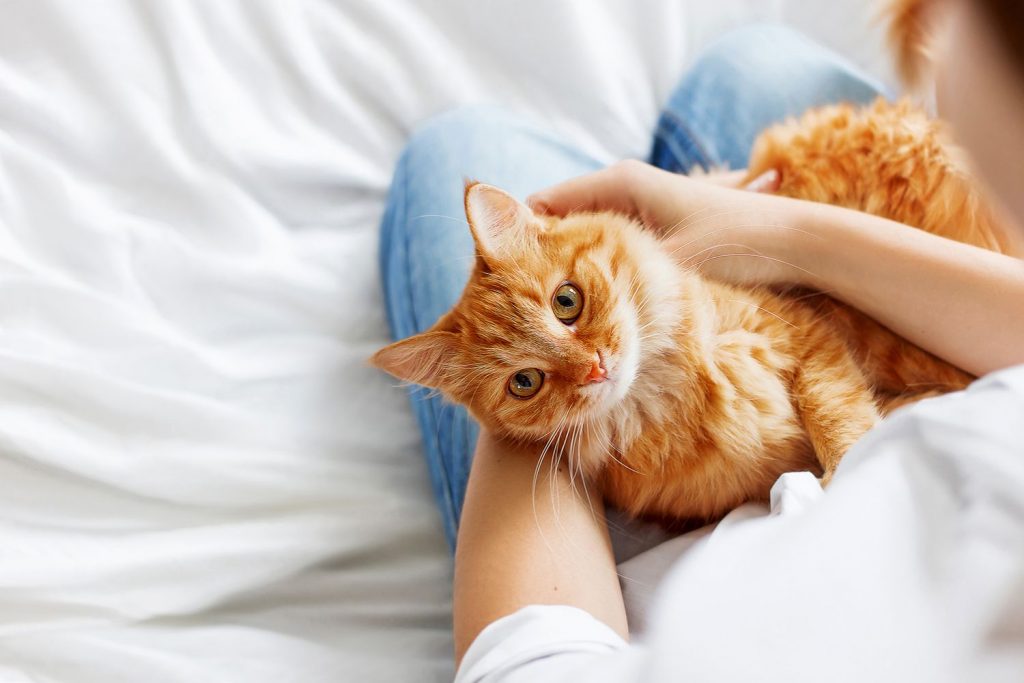
If you know a loud event is coming—such as a celebration, holiday, or home repair—preparing in advance makes a big difference. Cats benefit from a predictable and controlled environment.
Tips to reduce stimuli:
-
Close windows and doors to block noise
-
Draw curtains or blinds to limit visual distractions
-
Move your cat to a quiet room before noise begins
-
Inform family members to keep the space calm
-
Reduce household traffic or unfamiliar visitors
A stable environment is key for a noise-sensitive cat’s emotional balance.
7. How to reassure your cat during loud events
Comforting a noise-sensitive cat must be done gently. Too much attention or handling may increase their fear.
Effective reassuring methods:
-
Sit near your cat but give them space
-
Speak in a soft, calm tone
-
Let your cat approach you instead of picking them up
-
Avoid forcing them out of their hiding spot
-
Maintain your own calm demeanor—cats sense tension
Your presence alone can provide comfort when handled correctly.
8. Gradual desensitization for long-term improvement
If your noise-sensitive cat reacts strongly to common sounds, you may help them build tolerance over time with desensitization. This method involves controlled exposure to low-volume versions of the sound over several weeks.
Steps include:
-
Play recordings of triggering sounds at very low volume
-
Reward calm behavior with gentle praise or treats
-
Gradually increase volume only when your cat remains relaxed
-
Keep sessions short and positive
This slow conditioning process can help reduce fear over time.
9. When to consult a professional
If your noise-sensitive cat shows severe anxiety such as self-harm, aggression, prolonged hiding, or complete refusal to eat, it may be time to seek help. In these cases:
-
A veterinarian can rule out medical issues
-
A feline behaviorist can offer specialized behavioral training
-
Stress-related conditions can be identified early and treated
Professional support is particularly useful for cats with extreme sound sensitivity triggered by trauma or chronic stress.
10. Conclusion
A noise-sensitive cat requires patience, preparation, and a calm environment to feel safe. By understanding their triggers, creating a secure space, using calming sounds, offering familiar objects, and reassuring them properly, you can significantly improve their comfort during loud or unexpected noises. With consistent care and the right strategies, your cat can feel more relaxed and confident, even in stressful situations.
Refer now:
Are There Different Rules for Pet Entry at Night vs. Day?
Transport route: flight route allowed to receive pets
