
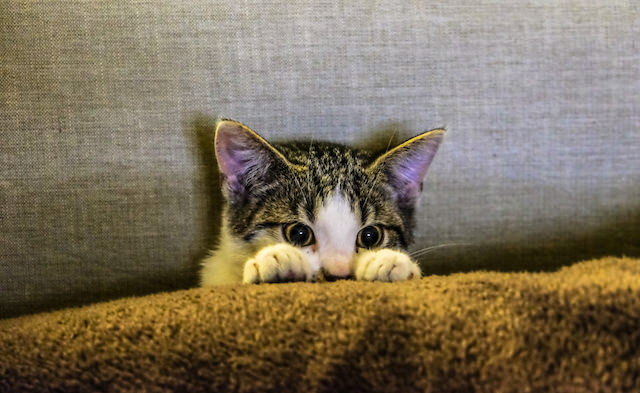
Cats are known for their sharp hearing, and while this remarkable sense helps them stay alert, it can also make some cats extremely sensitive to sound. Sudden noises, loud environments, daily household sounds, or unexpected bursts of activity can cause fear and stress in many cats. If your cat hides during thunderstorms, trembles when fireworks start, or runs away from household appliances, it may be a sound-sensitive cat. Understanding noise sensitivity and preparing the right environment can make a significant difference to your cat’s wellbeing. This article explores what causes sound sensitivity in cats, how to identify the signs, and what you can do to help your cat feel calm, safe, and protected.
1. Understanding Sound Sensitivity in Cats
A sound-sensitive cat is one that reacts strongly or fearfully to noises that most cats tolerate. While all cats possess strong hearing abilities, only some develop heightened sensitivity. This sensitivity may come from genetics, past experiences, trauma, or an overly stimulating environment.
Cats’ ears can detect higher frequencies than humans, which means even noises we consider quiet can feel loud or disturbing to them. A sudden sound can trigger their instinctive “fight or flight” response, causing the cat to hide, flee, or freeze in fear. Over time, if noise sensitivity is not addressed, it can turn into chronic stress, behavior changes, or reduced quality of life.
2. Common Causes of Noise Sensitivity
Several factors contribute to noise sensitivity in cats. Genetics play a major role, especially in timid or naturally cautious breeds. Past negative experiences, such as being abandoned or living in loud environments, can heighten fear responses. Kittens that did not grow up exposed to normal household sounds may carry this sensitivity into adulthood.
Another cause is aging. Senior cats often develop cognitive decline or hearing changes, leading to confusion or increased fear reactions. Pain or underlying medical issues can also intensify sensitivity, as a cat in discomfort may be more easily startled. Understanding the root cause is important, as it helps you adjust your approach when preparing for your cat’s needs.
3. Signs Your Cat Is Sensitive to Sound
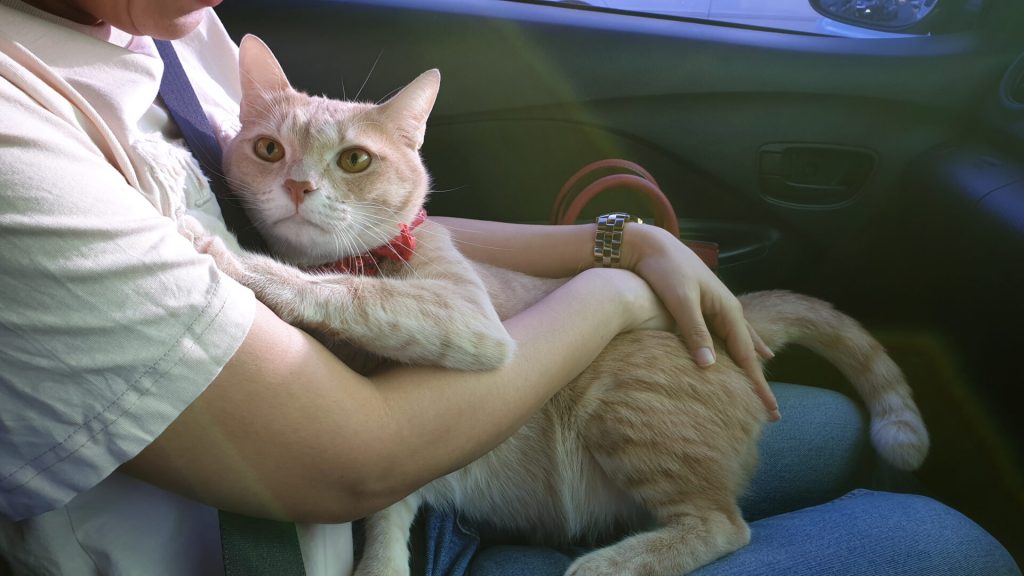
Recognizing noise sensitivity early helps prevent long-term stress. Cats may show subtle or clear signs depending on the noise and their level of discomfort.
Common signs include sudden hiding, dilated pupils, twitching ears, trembling, tail tucking, excessive grooming, or pacing. Some cats may become unusually clingy, while others may refuse food during stressful moments. In more severe cases, they may vocalize loudly, attempt to escape the noise source, or scratch at doors and furniture out of anxiety.
Understanding these signs allows you to respond quickly and provide comfort before the fear escalates.
4. Preparing a Safe Environment for a Sound-Sensitive Cat
Creating a calm and stable environment is one of the most effective ways to help a sound-sensitive cat. Start by identifying the noises that trigger their fear. These might include fireworks, thunderstorms, construction, traffic, or household appliances such as blenders or vacuum cleaners.
Once you know the triggers, prepare a quiet zone in your home. This space should be away from windows, doors, and noisy appliances. Many cats feel secure in small, enclosed areas, so providing a box, a covered bed, or a soft blanket can help them feel safer. Dim lighting, soft bedding, and familiar scents create a comforting atmosphere.
Placing this safe space at an elevated height can also help, as many cats feel more comfortable when they can observe their surroundings from above.
5. Soundproofing Techniques for Home Comfort
While you may not be able to eliminate noise entirely, you can reduce its impact. Soundproofing is a practical way to protect your cat from overwhelming noises. Closing windows and curtains helps soften outside noise. Thick rugs and fabric furniture absorb sound, making the environment less harsh.
If your cat reacts strongly to outdoor noises, consider using weather strips around windows or placing sound-absorbing panels on walls near their safe area. White noise or soft instrumental music can mask sudden sounds and provide steady background comfort. Creating consistent sound in the home helps prevent sudden, sharp noises from startling your cat.
6. Preparing Your Cat Emotionally and Behaviorally
In addition to physical preparation, you should support your cat emotionally. Establish routines, because predictable daily habits help cats feel secure. Feeding, playtime, and resting schedules should stay consistent.
Introduce desensitization slowly if your cat is fearful of specific sounds. This involves playing low-volume recordings of the trigger sound while comforting the cat. Over time, you increase the volume slightly, allowing the cat to adjust at its own pace. This method must be gentle and patient, ensuring the cat never becomes overwhelmed.
Positive reinforcement such as gentle petting, treats, or calm verbal reassurance helps your cat associate certain sounds with safety rather than fear.
7. Helpful Tools and Products for Noise-Sensitive Cats
Several tools can make preparation easier. Soft bedding, enclosed cat houses, and hiding tunnels give your cat spaces to retreat. Using calming pheromone diffusers can help maintain a tranquil environment. Quiet toys are also ideal, as loud toys can worsen fear in sensitive cats.
For extremely sound-sensitive cats, soothing background sounds such as nature tracks or low-volume calming music can help mask harsh noises. These tools are especially useful during fireworks, storms, or renovations.
8. Daily Habits to Reduce Noise-Based Stress
Building daily habits is essential for long-term comfort. Avoid loud household activities near your cat’s resting area. When vacuuming or using appliances, guide your cat to their safe zone beforehand. Introduce new sounds gradually and avoid sudden loud actions such as slamming doors.
Interactive play helps release built-up tension and strengthens your bond. Cats that feel emotionally secure are less likely to react strongly to noises. Maintaining a peaceful atmosphere reduces the likelihood of long-term anxiety.
9. When to Seek Professional Help
Some cats may require more than environmental changes. If your cat’s fear becomes extreme or interferes with eating, sleeping, or daily behavior, seeking professional support is beneficial. Veterinarians or pet behavior specialists can help rule out medical issues and provide structured behavior modification plans.
A professional assessment is especially important if noise sensitivity seems linked to trauma, cognitive decline, or chronic anxiety. Early intervention helps prevent long-term stress and improves your cat’s overall quality of life.
10. Conclusion
Living with a sound-sensitive cat requires patience, understanding, and preparation. By identifying triggers, creating a peaceful environment, using calming tools, and maintaining consistent routines, you can significantly improve your cat’s comfort and reduce fear responses. Every cat deserves a secure space where they feel protected, especially during moments of stress. With the right preparation and care, your sound-sensitive cat can enjoy a calmer, happier, and more confident life by your side.
Refer now:
Rabies Vaccine Duration – How Often Should Pets Be Revaccinated?
Pet Transit Regulations Across Multiple Countries – Required Documentation
