
Weather changes throughout the year have a significant impact on pets, just as they do on humans. Extreme heat can lead to dehydration, heat stress, and fatigue, while cold weather increases the risk of hypothermia, respiratory problems, and skin issues. Proper seasonal care is essential to ensure pets remain healthy, active, and emotionally balanced. Understanding how to adjust daily routines, living environments, and nutrition according to temperature changes plays a key role in responsible pet ownership. This article provides a comprehensive guide to pet care in hot and cold seasons, suitable for dogs, cats, and other common companion animals.

Table of Contents
Toggle1. How seasonal weather affects pets
Pets regulate their body temperature differently from humans. Dogs primarily cool themselves through panting and their paw pads, while cats rely on grooming and limited heat dissipation. When exposed to excessive heat or cold, their bodies must work harder to maintain balance, which can weaken the immune system over time. Seasonal stress may also affect appetite, sleep patterns, and behavior. Recognizing these effects helps pet owners take proactive steps to protect their animals throughout the year.
2. Pet care during the hot season
Hot weather brings higher temperatures, strong sunlight, and increased humidity. These conditions can quickly become uncomfortable or even dangerous for pets if not managed properly. Hot-season care focuses on cooling, hydration, and reducing physical strain.
3. Adjusting the living environment in hot weather
Pets should have access to a cool, shaded, and well-ventilated living space. Indoor pets benefit from proper airflow and stable room temperatures. Avoid placing pet beds in direct sunlight or near heat sources. Outdoor pets need shaded shelters with good air circulation and dry flooring. Keeping the living area clean and dry also helps prevent bacteria and parasites that thrive in warm, humid environments.
4. Nutrition and hydration during the hot season
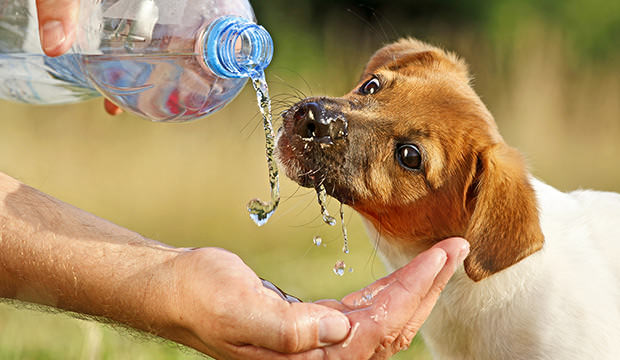
Adequate hydration is critical in hot weather. Fresh, clean water should always be available, and placing multiple water bowls around the house can encourage pets to drink more. Some pets may eat less during hot periods, so meals should be light, easily digestible, and nutritionally balanced. Adding safe, water-rich foods such as certain vegetables can support natural hydration and digestion.
5. Grooming and hygiene in hot weather
Regular grooming helps pets release excess heat more efficiently. Brushing removes loose fur and improves air circulation through the coat. Bathing can help cool the body and remove dirt, but it should not be excessive, as frequent bathing can dry out the skin. For pets with thick coats, light trimming may be beneficial, but shaving too close to the skin should be avoided to prevent sunburn and irritation.
6. Physical activity and exercise in hot weather
Exercise routines should be adjusted to avoid peak heat hours. Early mornings and late evenings are the safest times for outdoor activities. Intense exercise during high temperatures can cause overheating and exhaustion. Pet owners should watch for warning signs such as excessive panting, lethargy, drooling, or unsteady movement and allow immediate rest if these appear.
7. Pet care during the cold season
Cold weather presents a different set of challenges. Low temperatures, wind, and moisture can weaken a pet’s resistance and make them more vulnerable to illness. Cold-season care emphasizes warmth, energy support, and protection from harsh conditions.
8. Keeping pets warm in cold weather
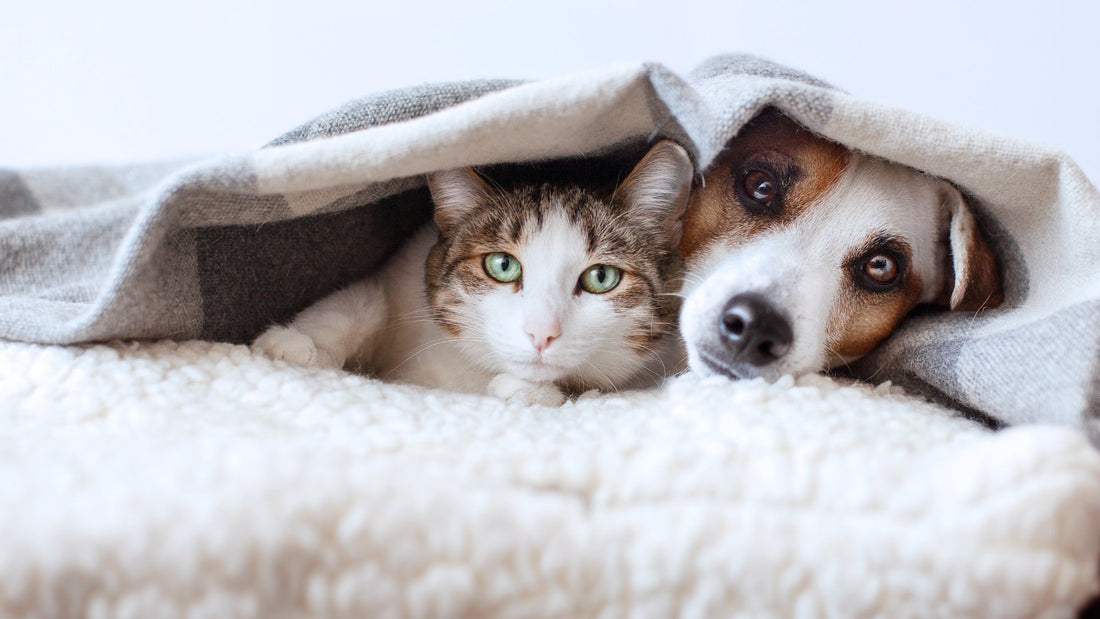
A warm and draft-free sleeping area is essential during colder months. Pet beds should be placed away from cold floors and open doors. Soft bedding, blankets, or insulated mats help retain body heat. Outdoor pets require sturdy shelters that protect them from wind, rain, and dampness. Maintaining a warm environment reduces stress and supports overall health.
9. Nutrition adjustments in the cold season
During cold weather, pets often need more energy to maintain body temperature. Slightly increasing meal portions or providing more nutrient-dense food can help meet these needs. Protein and healthy fats play an important role in supporting muscle strength and thermal regulation. Meals should be served at a comfortable temperature to avoid digestive discomfort.
10. Coat and skin care in cold weather
A pet’s coat acts as a natural barrier against the cold. Excessive bathing in winter should be avoided, as it removes protective oils from the skin. When bathing is necessary, pets must be thoroughly dried before returning to their usual environment. Regular brushing helps keep the coat healthy, prevents matting, and maintains its insulating properties.
11. Exercise and daily routines in cold weather
Even in colder months, regular physical activity remains important for a pet’s physical and mental well-being. Exercise sessions may be shorter, but consistency is key. For pets that are sensitive to low temperatures, protective clothing can provide additional warmth during outdoor walks. Monitoring comfort levels ensures that exercise remains beneficial rather than stressful.
12. Monitoring pet health across seasons
Seasonal transitions can trigger changes in appetite, behavior, and energy levels. Pet owners should observe their animals closely for signs of discomfort, such as persistent lethargy, coughing, skin irritation, or changes in eating habits. Early detection allows for timely adjustments in care routines and helps prevent minor issues from becoming serious problems.
13. Special considerations for different pets

Not all pets respond to temperature changes in the same way. Breeds with thick fur tend to tolerate cold better but are more prone to overheating, while short-haired or small pets may struggle in low temperatures. Puppies, kittens, and senior pets are particularly sensitive to extreme weather. Tailoring care to the specific needs of each pet ensures better adaptation and comfort.
14. Building long-term seasonal care habits
Effective pet care is not limited to short-term solutions during extreme weather. Establishing stable routines, maintaining a clean living environment, and providing balanced nutrition throughout the year help pets adapt more easily to seasonal changes. Consistent care strengthens immunity and enhances overall quality of life.
15. Conclusion
Pet care in hot and cold seasons requires attention, flexibility, and understanding of how weather affects animal health. By adjusting living conditions, nutrition, grooming, and activity levels according to seasonal needs, pet owners can ensure their companions remain healthy, comfortable, and happy all year round. Thoughtful seasonal care not only protects pets from environmental stress but also strengthens the bond between pets and their families.
