



7 Hardest Dog Breeds to Raise: Characteristics, Challenges, and Care Tips
Dogs are among the most popular pets in the world. They provide companionship, emotional support, and protection for their owners. However, not every dog is easy to raise. Some breeds require more exercise, training, grooming, and attention than others.
The hardest dog breeds to raise are not necessarily aggressive or unfriendly. Many of them are intelligent, loyal, and affectionate. However, their natural instincts, high energy levels, and independent personalities can make them challenging for inexperienced owners.
Before bringing a dog home, it is important to understand its characteristics and daily needs. Choosing a breed that matches your lifestyle can help prevent behavioral problems and create a stronger bond between you and your pet.
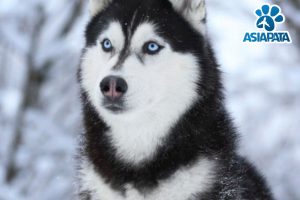
1. Siberian Husky: An Energetic Dog That Needs Constant Activity
The Siberian Husky is a medium-sized working dog originally bred to pull sleds in cold environments. It is famous for its thick coat, beautiful eyes, and wolf-like appearance. Huskies are generally friendly, playful, and sociable. They often enjoy spending time with their families and interacting with other dogs.
Despite their friendly personalities, Siberian Huskies can be difficult to raise. They have high energy levels and need plenty of physical activity every day. A short walk may not be enough to satisfy their exercise requirements. Without sufficient activity, they may become bored and develop destructive behaviors.
Huskies are also independent thinkers. They may ignore commands when something more interesting catches their attention. Their strong prey drive can make it difficult to keep them around smaller animals. In addition, many Huskies are skilled escape artists. A secure yard and careful supervision are essential.
Common Challenges of Raising a Siberian Husky
- High exercise requirements: Huskies need regular walks, running opportunities, and interactive games.
- Heavy shedding: Their thick double coat requires regular brushing, especially during seasonal shedding.
- Independent behavior: Training requires patience, consistency, and positive reinforcement.
- Vocal tendencies: Huskies may howl, whine, or make other sounds frequently.
- Escape risks: Secure fences and reliable supervision help keep them safe.
How to Care for a Siberian Husky
Owners should establish a consistent daily routine that includes exercise, training, and playtime. Puzzle toys and scent-based games can provide mental stimulation. Regular brushing helps control loose hair and keeps the coat in good condition.
Huskies are generally better suited to active owners who have enough time for their needs. They may struggle in households where they are left alone for long periods without appropriate enrichment.
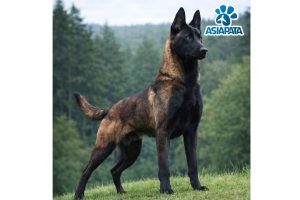
2. Belgian Malinois: A Highly Intelligent Working Dog
The Belgian Malinois is a strong, athletic dog known for its intelligence, alertness, and working ability. It is commonly used in police work, military operations, search and rescue, and protection training.
This breed learns quickly and responds well to structured training. However, its intelligence comes with significant responsibilities. Belgian Malinois dogs need regular mental challenges and substantial physical exercise. They are not usually suitable for owners who want a low-maintenance companion.
Without proper guidance, a Belgian Malinois may become restless or develop unwanted behaviors. Its herding and working instincts can lead to chasing, nipping, or excessive alertness. These behaviors require appropriate management rather than harsh punishment.
Common Challenges of Raising a Belgian Malinois
- Intense energy levels: Daily exercise and structured activities are essential.
- High training demands: Owners must maintain consistent rules and clear communication.
- Strong working instincts: The breed needs appropriate outlets for its natural abilities.
- Protective behavior: Early socialization helps the dog respond appropriately to unfamiliar people and situations.
- Boredom-related problems: Insufficient mental stimulation can contribute to destructive behavior.
How to Care for a Belgian Malinois
Training should begin early and continue throughout the dog’s life. Obedience exercises, tracking games, agility, and other suitable activities can help meet its needs. Positive reinforcement is an effective way to encourage desirable behavior.
Owners should also provide controlled opportunities for socialization. Because this breed can be physically powerful and highly driven, inexperienced owners may benefit from working with a qualified, reward-based dog trainer.
The Belgian Malinois is often a better match for experienced owners who enjoy training and outdoor activities. Its needs should be carefully considered before adoption.
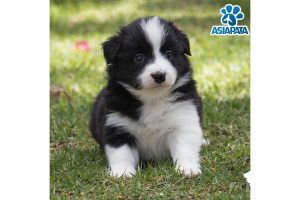
3. Border Collie: An Intelligent Dog That Needs Mental Stimulation
The Border Collie originated in the border regions between England and Scotland. It was developed primarily for herding livestock and is widely recognized for its intelligence, agility, and responsiveness.
Border Collies can learn complex commands and perform exceptionally well in obedience competitions and dog sports. They often form strong relationships with their owners and enjoy having tasks to complete.
However, intelligence alone does not make a dog easy to raise. Border Collies need both physical exercise and mental stimulation. When they lack appropriate activities, they may become restless or develop repetitive behaviors.
Their natural herding instincts can also affect everyday life. Some Border Collies may chase bicycles, moving vehicles, or running children. These behaviors need to be managed through training and suitable activities.
Common Challenges of Raising a Border Collie
- High mental demands: The breed benefits from problem-solving games and regular training sessions.
- Strong herding instincts: Chasing and herding behaviors may appear in unsuitable situations.
- High activity requirements: Daily walks should be combined with opportunities for active play.
- Sensitivity to the environment: Some individuals react strongly to noise, movement, or changes in routine.
- Difficulty relaxing: Without enough stimulation, the dog may struggle to settle down.
How to Care for a Border Collie
Owners should combine exercise with activities that encourage thinking. Fetch, agility training, obedience exercises, and scent games can help keep a Border Collie engaged.
Training should be consistent but not overly demanding. Dogs also need sufficient rest, quiet time, and opportunities to relax. Constantly increasing exercise without teaching the dog how to settle may create an unrealistic daily routine.
Border Collies are particularly suitable for people who enjoy outdoor activities and interactive training. They may be less suitable for owners who have limited time or prefer a very relaxed pet.
4. Akita: A Loyal but Independent Companion
The Akita is a large dog breed originating in Japan. It is known for its strong build, thick coat, and dignified appearance. Akitas are often deeply loyal to their families and may be reserved around unfamiliar people.
Unlike breeds that constantly seek attention, Akitas can be independent. They may prefer to observe a situation before responding. This characteristic can make training more challenging, particularly for owners who expect immediate obedience.
Some Akitas may also show intolerance toward unfamiliar dogs. Their size and strength mean that poor management can create serious safety concerns. Early socialization and responsible supervision are therefore important.
Common Challenges of Raising an Akita
- Independent temperament: Training requires patience and consistent expectations.
- Strong physical build: Owners need to teach leash manners and reliable responses to commands.
- Potential dog-to-dog conflict: Careful introductions and supervision are important.
- Protective instincts: Appropriate socialization helps prevent excessive suspicion.
- Seasonal shedding: Regular brushing is necessary to manage the thick double coat.
How to Care for an Akita
Akitas benefit from early, positive training and controlled exposure to different environments. Owners should teach basic commands, calm leash walking, and appropriate behavior around visitors.
Their environment should be secure, and interactions with unfamiliar animals should be managed carefully. Harsh punishment can damage trust and may worsen behavioral problems.
Akitas can become devoted family companions when their needs are understood. However, their size, independence, and potential for conflict with other dogs make them a more demanding choice for inexperienced owners.
5. Chow Chow: A Reserved Dog That Requires Patient Training
The Chow Chow is an ancient Chinese breed recognized by its lion-like mane, compact body, and distinctive appearance. Its temperament is often independent and reserved. Some Chow Chows are affectionate with their families but less interested in interacting with strangers.
This breed can be challenging because it may not respond enthusiastically to repetitive training. Owners need to build trust and use consistent, reward-based methods. Forcing interaction or handling can make some individuals uncomfortable.
Coat care is another important consideration. Chow Chows have dense fur that can become tangled without regular grooming. Their thick coats also require careful management in warm weather.
Common Challenges of Raising a Chow Chow
- Independent personality: Training works best with patience and clear expectations.
- Socialization needs: Early, positive experiences can help the dog become more comfortable around people and animals.
- Grooming requirements: Regular brushing helps prevent mats and maintain coat condition.
- Handling sensitivity: Owners should teach the dog to accept grooming and veterinary examinations gradually.
- Heat sensitivity: Exercise and outdoor activities should be adjusted during hot weather.
How to Care for a Chow Chow
Owners should introduce grooming, nail trimming, and routine handling from an early age. Short training sessions with rewards are often more effective than long, repetitive exercises.
Daily walks provide exercise, but activities should be adjusted according to the dog’s health and the weather. Owners should also provide a cool, comfortable resting area.
A Chow Chow may suit someone who appreciates a more independent companion. However, prospective owners should be prepared for its grooming needs and the importance of early socialization.
6. Dalmatian: An Active Dog With Specific Health Needs
The Dalmatian is famous for its white coat covered with black or liver-colored spots. Historically associated with carriage work, this breed is athletic, alert, and capable of considerable endurance.
Dalmatians often enjoy running, playing, and participating in outdoor activities. Their energy levels can make them challenging for households that do not have enough time for exercise.
They also require consistent training. A young Dalmatian may become excitable when it lacks appropriate activity or clear boundaries. In addition, the breed has certain health risks that prospective owners should understand.
Dalmatians have an increased risk of congenital hearing loss. They are also predisposed to urinary stone problems because of their unique uric acid metabolism. Responsible breeding and regular veterinary care are important.
Common Challenges of Raising a Dalmatian
- High activity requirements: Regular exercise helps support physical and behavioral health.
- Excitable behavior: Consistent training can improve impulse control.
- Potential separation-related problems: Some dogs struggle when left alone without gradual preparation.
- Hearing concerns: Veterinary assessment is important, particularly for puppies.
- Urinary health risks: Owners should discuss suitable nutrition and monitoring with a veterinarian.
How to Care for a Dalmatian
Dalmatians benefit from daily walks, structured play, and reward-based obedience training. Owners should provide safe opportunities for running once the dog is physically ready.
Fresh water should always be available. A veterinarian can recommend an appropriate diet and explain signs of urinary problems that require attention.
This breed can be a wonderful companion for active households. However, owners should consider its exercise needs and health requirements before making a decision.
7. Jack Russell Terrier: A Small Dog With a Big Personality
The Jack Russell Terrier is a small, energetic breed originally developed for hunting foxes. It is known for its confidence, curiosity, and determination. Despite its compact size, it often has the energy and persistence of a much larger working dog.
Jack Russell Terriers enjoy exploring, digging, chasing, and playing. Their strong hunting instincts can make them difficult to manage around small animals. They may also bark frequently when excited or under-stimulated.
Their intelligence allows them to learn quickly, but they can become bored with repetitive activities. Owners should provide variety and consistent boundaries to encourage good behavior.
Common Challenges of Raising a Jack Russell Terrier
- Strong prey drive: Small animals may trigger chasing behavior.
- Frequent barking: Training and enrichment can help manage excessive vocalization.
- Digging habits: Providing suitable activities can reduce unwanted digging.
- High energy levels: Daily play and exercise are essential.
- Independent behavior: Reliable recall and leash training require regular practice.
How to Care for a Jack Russell Terrier
Owners should provide daily walks, interactive games, and short training sessions. Scent games and food puzzles can help satisfy the dog’s natural curiosity.
A secure outdoor area is important because the breed may chase animals or investigate openings in fences. Introductions to other pets should be controlled, especially when smaller animals are involved.
Jack Russell Terriers can thrive with owners who enjoy active play and training. However, their small size should not be mistaken for low maintenance.
8. Important Factors to Consider Before Choosing a Difficult Dog Breed
Choosing a dog requires more than considering its appearance. Every breed has different needs, and individual dogs may vary considerably in temperament and behavior.
1. Exercise and Daily Routine
Some dogs need several periods of activity throughout the day. Owners should consider their work schedules and available free time before choosing a high-energy breed.
Exercise should match the dog’s age, physical condition, and health. Puppies and older dogs may require different activities from healthy adult dogs.
2. Training Experience
First-time owners should consider whether they can manage a dog’s size, strength, energy, and behavioral needs. Some breeds benefit from professional training support.
Basic commands such as sit, stay, come, and leave it can improve safety. Training should be consistent and based on rewarding appropriate behavior.
3. Grooming and Maintenance
Coat type affects the amount of grooming a dog requires. Thick-coated breeds may need frequent brushing, while other dogs may require more attention to skin, ears, nails, or dental health.
Owners should also budget for food, veterinary visits, vaccinations, parasite prevention, and unexpected medical expenses.
4. Living Environment
A large house does not automatically make a good home for a dog. What matters is whether the environment supports the dog’s physical and behavioral needs.
Apartment living may work for some active dogs if their owners provide sufficient exercise and enrichment. However, noise, shared spaces, and limited opportunities for safe activity should be considered.
5. Socialization and Family Compatibility
Early, positive socialization helps dogs become familiar with different people, environments, sounds, and experiences. It should be gradual and appropriate to the individual dog’s comfort level.
Families with young children should supervise interactions and teach children how to approach dogs safely. Owners should never assume that a breed’s general reputation guarantees a particular temperament.
9. Practical Tips for Raising Challenging Dog Breeds
Raising a demanding dog can be rewarding when owners understand its needs and establish healthy routines. The following practices can support better behavior and overall well-being.
Create a consistent routine. Regular feeding, exercise, training, and rest periods help dogs understand what to expect. Predictability can also make learning easier.
Use positive reinforcement. Reward good behavior with treats, toys, praise, or play. Avoid harsh punishment, which may create fear and undermine trust.
Provide mental enrichment. Puzzle feeders, scent games, and appropriate training exercises can help prevent boredom. Activities should be safe and suitable for the dog’s abilities.
Teach independence gradually. Dogs should learn to spend time alone in a calm and comfortable environment. Separation training should progress at a pace the dog can tolerate.
Monitor health and behavior. Changes in appetite, activity, sleep, or temperament may indicate a health problem. Consult a veterinarian when concerning changes occur.
Seek professional support when needed. A qualified, reward-based trainer or veterinary behavior professional can help address persistent problems. Early intervention is often easier than managing established behavior patterns.
Which Dog Breed Is the Hardest to Raise?
There is no single answer because difficulty depends on the owner’s experience, lifestyle, environment, and expectations.
The Belgian Malinois may be especially demanding because of its working drive and intensive training needs. The Siberian Husky can be challenging because of its energy, independence, and tendency to escape. The Border Collie requires substantial mental stimulation, while the Akita may need experienced handling and careful socialization.
The Chow Chow presents grooming and temperament considerations. The Dalmatian requires regular exercise and attention to specific health risks. Meanwhile, the Jack Russell Terrier needs consistent management of its energy and hunting instincts.
Rather than choosing the easiest-looking dog, prospective owners should research the breed carefully and meet individual dogs before making a commitment.
Conclusion
The Siberian Husky, Belgian Malinois, Border Collie, Akita, Chow Chow, Dalmatian, and Jack Russell Terrier are seven breeds that can require extra time, training, or specialized care. Each has unique characteristics that influence its behavior and daily needs.
However, being challenging to raise does not mean that a dog is bad or unsuitable for every family. With responsible ownership, proper socialization, appropriate exercise, and positive training, many dogs can become well-adjusted companions.
The best choice is a dog whose needs match your lifestyle and experience. Taking time to research a breed before adoption can help create a safer, happier, and more rewarding relationship for both the dog and its owner.
Xem thêm: Pet Transport Service From Vietnam To Columbus – Fast, Safe, Complete
Xem thêm: Regulations for Air Transporting Pets from the Philippines to Vietnam
Xem thêm: Transporting Pets to Osaka, Japan
