


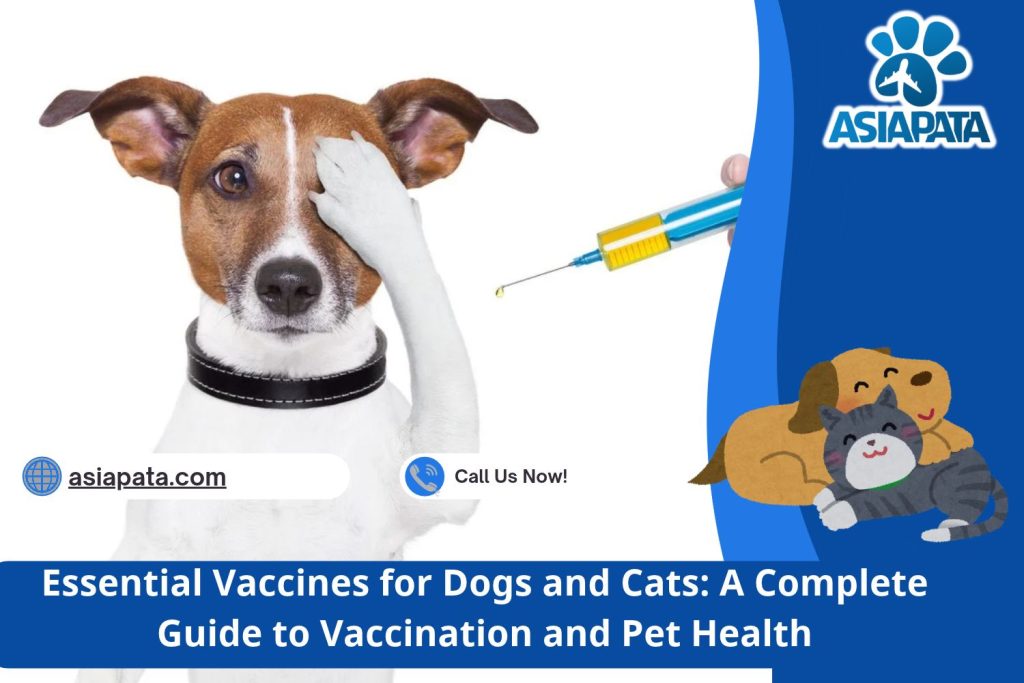
Essential Vaccines for Dogs and Cats: A Complete Guide to Vaccination and Pet Health
Vaccination is an essential part of responsible pet care. Dogs and cats are vulnerable to various infectious diseases, some of which can cause severe complications or even death. Vaccines help the immune system recognize specific pathogens and develop protection against dangerous illnesses.
Whether you have a young puppy, a kitten, or an adult pet, understanding the recommended vaccines is important for maintaining their long-term health. This guide explains the essential vaccines for dogs and cats, recommended vaccination schedules, potential side effects, and important precautions for pet owners.

1. Why Is Vaccination Important for Dogs and Cats?
Vaccination helps protect pets against infectious diseases that may spread through direct contact, contaminated environments, respiratory secretions, or other routes of transmission.
Young animals are particularly vulnerable because their immune systems are still developing. Although maternal antibodies provide some early protection, this protection gradually decreases as puppies and kittens grow.
Regular vaccination offers several important benefits:
- Disease prevention: Vaccines reduce the risk of developing serious infectious diseases.
- Reduced disease severity: Some vaccines help limit the severity of illness even when infection occurs.
- Community protection: Vaccination helps reduce the spread of certain diseases among animals.
- Protection for people: Rabies vaccination is especially important because rabies can spread from infected animals to humans.
- Long-term health: Following an appropriate vaccination schedule supports a healthier life for pets.
Vaccination should be combined with proper nutrition, parasite control, regular veterinary examinations, and good hygiene.
2. Essential Vaccines for Dogs
Dogs require protection against several serious infectious diseases. The recommended vaccines depend on their age, lifestyle, geographic location, and exposure to other animals.
2.1. Canine Distemper Vaccine
Canine distemper is a highly contagious viral disease that affects the respiratory, digestive, and nervous systems. Infected dogs may develop fever, coughing, nasal discharge, vomiting, diarrhea, and neurological symptoms.
Puppies and unvaccinated dogs are particularly susceptible to severe illness. Even dogs that recover may experience lasting neurological complications.
The distemper vaccine is commonly included in combination vaccines administered to puppies and adult dogs. Completing the recommended vaccination series is essential for developing adequate protection.
2.2. Canine Parvovirus Vaccine
Canine parvovirus causes a serious and highly contagious disease, particularly in young dogs. The virus primarily attacks rapidly dividing cells in the intestinal tract and can damage the immune system.
Common symptoms include severe vomiting, bloody diarrhea, loss of appetite, dehydration, and weakness. Without prompt veterinary treatment, the disease can become life-threatening.
The parvovirus vaccine is considered a core vaccine for dogs. Puppies need a series of vaccinations because maternal antibodies may interfere with the immune response to early doses.
2.3. Canine Adenovirus Vaccine
Canine adenovirus can cause infectious hepatitis, a disease that affects the liver and other organs. Depending on the severity of the infection, affected dogs may experience fever, lethargy, abdominal discomfort, vomiting, or other systemic symptoms.
Vaccination against canine adenovirus is generally included in core combination vaccines. It also provides protection against certain respiratory infections associated with this virus.
Pet owners should consult a veterinarian to determine the appropriate vaccine product and booster schedule.
2.4. Rabies Vaccine
Rabies is a fatal viral disease that affects the central nervous system. It can be transmitted to humans and other animals through the saliva of an infected animal, usually through bites.
Possible signs include unusual behavior, difficulty swallowing, excessive salivation, paralysis, and neurological changes. Once clinical symptoms develop, rabies is almost always fatal.
Rabies vaccination is essential for dogs and is subject to local legal requirements. Owners should follow the vaccination schedule recommended by their veterinarian and comply with applicable regulations.
2.5. Canine Kennel Cough Vaccines
Kennel cough is a contagious respiratory disease associated with several infectious agents, including Bordetella bronchiseptica and certain respiratory viruses.
Affected dogs may develop a persistent dry cough, sneezing, nasal discharge, and mild fever. The disease can spread quickly in boarding facilities, shelters, training centers, and other places where dogs gather.
Kennel cough vaccines may be recommended for dogs with frequent social contact or regular boarding arrangements. The appropriate vaccine depends on the dog’s exposure risk and local veterinary recommendations.

3. Essential Vaccines for Cats
Cats also need protection against infectious diseases that can affect their respiratory system, immune function, and overall health. Some vaccines are recommended for nearly all cats, while others depend on their lifestyle and exposure risks.
3.1. Feline Panleukopenia Vaccine
Feline panleukopenia is a highly contagious viral disease that attacks rapidly dividing cells, particularly in the intestines and bone marrow.
Symptoms may include fever, vomiting, diarrhea, severe dehydration, and a significant reduction in white blood cells. Kittens and unvaccinated cats are at particularly high risk of serious complications.
Vaccination is a key preventive measure against this disease. The panleukopenia vaccine is usually included in the standard feline combination vaccine.
3.2. Feline Herpesvirus Vaccine
Feline herpesvirus type 1 is a common cause of upper respiratory infections in cats. It can produce sneezing, nasal discharge, watery eyes, conjunctivitis, and inflammation of the respiratory tract.
Some infected cats may continue to carry the virus and experience recurring symptoms during periods of stress or illness.
Vaccination helps reduce the severity of clinical signs, although it does not completely prevent infection or viral shedding. It is commonly included in core feline combination vaccines.
3.3. Feline Calicivirus Vaccine
Feline calicivirus is another important cause of respiratory disease in cats. Infected animals may develop sneezing, fever, nasal discharge, oral ulcers, and difficulty eating.
The severity of the disease varies. Some cats experience mild symptoms, while others may develop more serious complications.
Vaccination helps reduce the severity of illness and is generally included in the core feline vaccine combination alongside protection against panleukopenia and herpesvirus.
3.4. Rabies Vaccine for Cats
Cats can contract rabies after exposure to infected animals. Outdoor cats and cats that have contact with unfamiliar animals may face a higher risk of exposure.
Rabies vaccination helps protect cats and reduces the risk of transmission to humans. Owners should consult a veterinarian about the appropriate age for the first dose and the required booster schedule.
3.5. Feline Leukemia Virus Vaccine
Feline leukemia virus, commonly known as FeLV, can weaken a cat’s immune system and increase the risk of certain cancers and other serious illnesses.
The virus can spread through close contact with infected cats, particularly through saliva and prolonged social interaction. Shared grooming, food bowls, and close living arrangements may contribute to exposure.
FeLV vaccination is particularly important for kittens and cats at risk of contact with infected animals. Veterinary testing and an assessment of the cat’s lifestyle may be recommended before vaccination.
4. Recommended Vaccination Schedule for Dogs and Cats
The vaccination schedule depends on the pet’s age, previous vaccination history, health condition, and the specific vaccine used.
Vaccination Schedule for Puppies
- 6–8 weeks of age: Begin the core vaccination series as recommended by a veterinarian.
- 8–16 weeks of age: Receive additional doses at the intervals specified by the vaccine guidelines.
- At 16 weeks of age or older: Complete the initial core series with a final puppy dose at the appropriate age.
- Rabies vaccination: Administer according to the vaccine label, veterinary advice, and local regulations.
- Booster vaccinations: Follow the recommended schedule after completing the initial series.
Vaccination Schedule for Kittens
- 6–8 weeks of age: Begin the core feline combination vaccination series.
- 8–16 weeks of age: Receive additional doses according to veterinary recommendations.
- FeLV vaccination: Consider vaccination based on age, testing, lifestyle, and exposure risk.
- Rabies vaccination: Follow the recommended age and schedule based on local requirements and the vaccine product.
- Booster vaccinations: Continue vaccination according to the veterinarian’s recommendations.
Puppies and kittens may require multiple doses because maternal antibodies can interfere with vaccine effectiveness. The final dose in the initial core series is therefore particularly important.
Adult pets with an unknown vaccination history may need an individualized catch-up schedule. Owners should not assume that one dose will provide complete protection in every situation.
5. Important Precautions Before and After Vaccination
Proper preparation and monitoring help make vaccination safer and more effective.
Before Vaccination
- Schedule a health examination: A veterinarian should assess the pet’s general condition before vaccination.
- Provide vaccination records: Previous doses help determine which vaccines are needed.
- Discuss medical concerns: Inform the veterinarian about previous vaccine reactions, current medications, or ongoing illnesses.
- Follow parasite-control advice: Deworming and other preventive treatments should be planned according to the pet’s age and condition.
Vaccination may need to be postponed if an animal is significantly unwell. The veterinarian will determine the safest approach.
After Vaccination
Some pets may experience temporary tiredness, mild soreness at the injection site, or a reduced appetite. These effects usually resolve within a short period.
However, urgent veterinary attention is necessary if a pet develops difficulty breathing, facial swelling, repeated vomiting, collapse, or other signs of a severe allergic reaction.
Owners should also maintain accurate vaccination records, including the vaccine name, date administered, and next recommended booster.
6. How Much Do Dog and Cat Vaccinations Cost?
Vaccination costs vary depending on the type of vaccine, brand, veterinary clinic, and additional services provided.
Combination vaccines may protect against several diseases in a single injection, while other vaccines are administered separately. Veterinary examination fees may also be charged in addition to the vaccine cost.
Before making an appointment, pet owners should ask about the total cost, the recommended vaccination package, and any follow-up requirements.
Price should not be the only consideration when choosing a vaccination service. Proper vaccine storage, product quality, professional administration, and accurate medical records are also important factors.
7. Frequently Asked Questions About Pet Vaccination
Can indoor cats still need vaccinations?
Yes. Indoor cats can still be exposed to infectious agents through contaminated objects, visits to veterinary clinics, or contact with other animals. Core vaccines are generally recommended regardless of whether a cat lives indoors or outdoors.
Can puppies and kittens go outside before completing their vaccinations?
Young pets should avoid high-risk environments until their initial vaccination series is complete and their veterinarian confirms that it is appropriate to increase their exposure. Socialization can still be planned carefully in safer environments.
Do adult dogs and cats need booster vaccinations?
Yes, depending on the vaccine. Some vaccines require regular boosters, while others may provide longer-lasting protection. The schedule should be based on veterinary guidance, the vaccine product, and local regulations.
Is vaccination necessary if a pet appears healthy?
Yes. Many infectious diseases can affect animals that appear healthy before symptoms develop. Vaccination is a preventive measure and should not be delayed solely because a pet seems well.
8. Conclusion
Vaccination is an important part of responsible dog and cat ownership. Core vaccines help protect pets against serious diseases such as canine distemper, parvovirus, feline panleukopenia, and major feline respiratory infections. Rabies vaccination is also essential, while vaccines such as those for kennel cough and feline leukemia may be recommended according to individual risk.
A suitable vaccination plan should consider the pet’s age, health condition, lifestyle, and previous vaccination history. Working with a qualified veterinarian helps ensure that each animal receives the appropriate vaccines at the right time.
Combined with good nutrition, regular health checks, parasite prevention, and proper hygiene, vaccination helps dogs and cats enjoy healthier and safer lives.
