



Short-Nosed Dog Breeds: Popular Types, Characteristics, and Essential Care Tips
Short-nosed dogs are among the most recognizable and popular companion animals in the world. They are known for their flat faces, short muzzles, round heads, and expressive eyes. Their unique appearance and affectionate personalities make them attractive to many pet lovers.
These dogs come in different sizes, coat types, and temperaments. Some are playful and energetic, while others prefer relaxing at home with their owners. Popular examples include French Bulldogs, English Bulldogs, Pugs, Boston Terriers, Shih Tzus, and Pekingese.
However, short-nosed dogs often have special health and care requirements. Their facial structure can affect breathing, temperature regulation, and overall comfort. Understanding these needs is essential for anyone considering one of these breeds as a family companion.

1. What Are Short-Nosed Dog Breeds?
Short-nosed dogs are commonly described as brachycephalic dogs. The term refers to breeds with shortened skulls and relatively flat faces. This physical structure creates their distinctive appearance, but it can also affect the development of their airways.
Many brachycephalic breeds were developed as companion animals. They often enjoy human interaction and can adapt well to indoor environments. Their personalities vary considerably, so potential owners should research each breed before making a decision.
Although these dogs may look similar, they have different grooming requirements, activity levels, and health risks. Choosing the right breed involves considering both its appearance and its long-term care needs.
2. Popular Short-Nosed Dog Breeds
2.1. French Bulldog
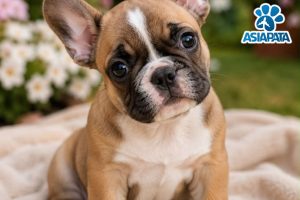
The French Bulldog is a small, muscular dog with a broad head, short muzzle, and distinctive bat-like ears. Its compact body and friendly expression have made it a popular companion in many countries.
French Bulldogs are often affectionate, playful, and curious. They usually enjoy spending time with their families and can adapt to apartment living. Their exercise needs are generally moderate, although each dog’s requirements depend on its health and fitness.
Despite their popularity, French Bulldogs are vulnerable to breathing difficulties because of their shortened airways. They may also struggle in hot weather. Owners should provide a cool environment, avoid intense exercise, and seek veterinary advice if breathing becomes noisy or difficult.
2.2. English Bulldog
The English Bulldog is recognized by its stocky body, broad shoulders, wrinkled face, and distinctive underbite. Although its appearance can seem intimidating, many English Bulldogs have calm and affectionate temperaments.
These dogs often prefer a relaxed lifestyle. Short walks and gentle play can help maintain their fitness without placing excessive demands on their bodies. Regular monitoring of their weight is particularly important because obesity can worsen breathing problems and joint stress.
Their facial wrinkles require routine cleaning and careful drying to reduce the risk of irritation and infection. Owners should also watch for signs of overheating, especially during warm and humid weather.
2.3. Pug
Pugs are small dogs with round heads, large eyes, short muzzles, and curled tails. Their expressive faces and sociable personalities make them appealing to families and individuals.
Pugs generally enjoy companionship and often follow their owners around the home. They can adapt well to apartment living and usually benefit from short walks, gentle games, and regular interaction.
However, Pugs are prone to respiratory problems and overheating. Their eyes may also be vulnerable to irritation or injury because they are relatively prominent. A healthy diet, appropriate exercise, and routine veterinary examinations are important for keeping them comfortable.

2.4. Boston Terrier
The Boston Terrier is a compact breed with a short muzzle, upright ears, and a smooth coat. Its black-and-white or brindle-and-white markings often create a tuxedo-like appearance.
Boston Terriers are typically intelligent, friendly, and lively. They enjoy interactive play and can make engaging companions for active households. Compared with some larger breeds, they are relatively easy to groom because their coats are short.
Nevertheless, Boston Terriers can experience breathing difficulties associated with their facial structure. Owners should avoid strenuous activities in hot weather and monitor their dogs during exercise. Regular dental care and veterinary checkups also contribute to their overall health.
2.5. Shih Tzu
The Shih Tzu is a small companion dog with a short muzzle, rounded face, and long, flowing coat. It is often affectionate, outgoing, and adaptable to different home environments.
Shih Tzus generally enjoy spending time with their families. They can live comfortably in apartments when they receive suitable exercise, attention, and mental stimulation. Their long coats require regular brushing and professional grooming when necessary.
Although their coats are attractive, grooming is only one part of their care. Shih Tzus may experience breathing difficulties, eye irritation, and dental crowding. Owners should keep the hair around the eyes clean and seek veterinary advice if they notice persistent discharge, redness, or noisy breathing.
2.6. Pekingese
The Pekingese is a small dog with a broad, flat face, short muzzle, and abundant double coat. Historically associated with Chinese imperial households, this breed is known for its dignified appearance and independent personality.
Pekingese dogs are often loyal to their families and may prefer a quiet home environment. They generally do not require intense exercise, but regular gentle movement helps maintain their health.
Their thick coats need frequent brushing to prevent tangles and matting. Their facial structure also makes breathing and heat management important concerns. Owners should avoid excessive exercise in warm conditions and consult a veterinarian about any persistent respiratory symptoms.
2.7. Boxer
The Boxer is a medium-to-large, muscular dog with a broad head and relatively short muzzle. It is known for its energetic nature, intelligence, and strong attachment to its family.
Boxers often enjoy running, playing, and participating in family activities. They may be suitable for households that can provide consistent training, exercise, and mental stimulation.
However, Boxers can also be affected by brachycephalic airway problems, although the severity varies between individuals. Because they are active dogs, owners must pay close attention to breathing and temperature during physical activity. Exercise should be adjusted to the dog’s condition and the weather.
3. Common Characteristics of Short-Nosed Dogs
Short-nosed breeds share several physical features, but their personalities and individual needs can differ significantly.
Distinctive facial appearance: Their shortened muzzles, broad heads, and expressive eyes give them a recognizable look.
Strong human companionship: Many short-nosed breeds enjoy close relationships with their owners and appreciate regular social interaction.
Adaptability to indoor living: Smaller breeds, such as Pugs and French Bulldogs, can often adapt to apartments when their exercise and enrichment needs are met.
Increased heat sensitivity: Some short-nosed dogs cannot cool themselves as efficiently through panting. This can increase their risk of overheating.
Special grooming requirements: Breeds with facial folds may need careful cleaning, while long-coated breeds such as Shih Tzus and Pekingese require regular brushing.
Potential respiratory concerns: Their shortened facial structure can contribute to narrowed airways, noisy breathing, and reduced exercise tolerance.
These characteristics should be considered before adopting or purchasing a short-nosed dog. A responsible owner should be prepared to meet the animal’s physical, emotional, and medical needs.
4. Common Health Problems in Short-Nosed Dog Breeds
One of the most important health concerns for short-nosed dogs is brachycephalic obstructive airway syndrome, commonly known as BOAS. This condition can occur when anatomical features restrict airflow through the nose and throat.
Possible signs include noisy breathing, frequent snoring while awake, excessive panting, difficulty exercising, and disrupted sleep. Severe cases may involve fainting or respiratory distress.
Short-nosed dogs may also face other health concerns:
- Heat stress: Difficulty cooling down can increase the risk of overheating, particularly in hot and humid climates.
- Eye problems: Prominent eyes may be more susceptible to dryness, irritation, scratches, and injury.
- Dental issues: Shortened jaws can lead to crowded teeth and make dental hygiene more challenging.
- Skin infections: Moisture trapped in facial folds can cause irritation and bacterial or yeast infections.
- Weight-related problems: Excess body weight can place additional strain on the respiratory system and joints.
Not every dog will develop these conditions, and severity varies between individuals. However, prospective owners should understand these risks before choosing a breed.
If a dog experiences severe breathing difficulty, collapses, or shows signs of heatstroke, seek emergency veterinary care immediately.
5. Essential Care Tips for Short-Nosed Dogs
5.1. Keep the Environment Cool
A cool, well-ventilated environment is essential for many short-nosed breeds. During hot weather, keep outdoor activities short and avoid walking during the hottest part of the day.
Never leave a dog inside a parked car, even for a short period. Provide access to fresh water and a comfortable resting area indoors.
5.2. Choose Suitable Exercise
Short-nosed dogs still need physical activity, but the amount and intensity should match their health and fitness. Gentle walks, indoor games, and short play sessions are often appropriate.
Avoid forcing a dog to continue exercising when it shows excessive panting, unusual fatigue, or noisy breathing. Dogs with suspected BOAS should be assessed by a veterinarian before starting a more demanding exercise routine.
5.3. Maintain a Balanced Diet
A balanced diet supports healthy body weight, energy levels, and overall well-being. Measure food portions carefully and limit excessive treats.
Weight management is particularly important for dogs with breathing difficulties. If you are unsure about the appropriate food or portion size, ask a veterinarian for recommendations based on the dog’s age, weight, and activity level.
5.4. Maintain Good Grooming and Hygiene
Regular grooming helps prevent skin and coat problems. For dogs with facial folds, gently clean the affected areas as recommended by a veterinarian and make sure they are properly dried.
Long-coated breeds require frequent brushing to prevent mats and tangles. Owners should also inspect their dogs’ eyes, ears, teeth, and skin during routine grooming.
5.5. Arrange Regular Veterinary Checkups
Routine veterinary examinations can help identify health problems before they become severe. Ask your veterinarian to assess breathing, dental health, eye condition, skin health, and body weight.
If your dog regularly snores while awake, struggles during mild exercise, or breathes noisily at rest, do not assume these signs are normal for its breed. A veterinary assessment can determine whether further investigation or treatment is needed.
6. How to Choose the Right Short-Nosed Dog
Choosing a short-nosed dog should involve more than appearance. Consider your living environment, daily schedule, experience with pets, and ability to cover routine and unexpected veterinary expenses.
French Bulldogs and Pugs may appeal to people seeking small companion dogs, while Boston Terriers may suit households that prefer a more playful personality. Shih Tzus can be suitable for owners who are prepared to maintain a long coat, whereas English Bulldogs often require careful weight and skin management.
Before bringing a dog home, ask about its medical history, breathing function, and the health of its parents. If purchasing from a breeder, choose one who prioritizes health and functional breathing rather than extremely flat facial features.
Adoption is another option worth considering. Shelters and rescue organizations may have short-nosed dogs looking for permanent homes. Ask about each dog’s temperament, medical history, and ongoing care requirements.
7. Are Short-Nosed Dogs Suitable for Families?
Many short-nosed dogs can become loving family companions. Their suitability depends on the individual dog’s temperament, health, and the family’s lifestyle.
Families with children should teach them how to approach, handle, and respect dogs. Young children should always be supervised around pets. Short-nosed dogs also need quiet resting areas where they can relax without disturbance.
People who work long hours should consider whether they can provide enough companionship, exercise, grooming, and veterinary care. Although some breeds adapt well to apartment living, all dogs need attention, appropriate enrichment, and a safe environment.
Most importantly, potential owners should be prepared for the possibility of additional veterinary care related to breathing and other breed-associated health concerns.
Conclusion
Short-nosed dog breeds are admired for their distinctive appearance, affectionate personalities, and ability to become close companions. Popular examples include French Bulldogs, English Bulldogs, Pugs, Boston Terriers, Shih Tzus, Pekingese, and Boxers.
However, their shortened facial structure can increase the risk of breathing difficulties, overheating, eye problems, and other health concerns. Responsible breed selection and appropriate daily care are essential for supporting their well-being.
Before choosing a short-nosed dog, research its individual needs and consult a veterinarian when necessary. With a suitable environment, balanced nutrition, gentle exercise, regular grooming, and preventive healthcare, owners can help their dogs enjoy a safer and more comfortable life.
A healthy companion is not defined by appearance alone. Prioritizing breathing function, sound health, and quality of life is one of the most important decisions a dog owner can make
Xem thêm:The Best Foods for Dogs and Cats to Keep Your Pets Healthy
Xem thêm: Signs Your Pet Needs to Be Taken to a Veterinarian
Xem thêm: Summer-Ready Backpack or Bag for Small Dogs: Essential Packing Tips
