


TOP 15 Foods Dogs Should Avoid – Essential Knowledge for Pet Owners
TOP 15 Foods Dogs Should Avoid
Caring for your pet dog isn’t just about bathing, exercising, or getting all the necessary vaccinations; it’s also closely related to their daily diet. Many foods that seem harmless to humans can cause poisoning, organ failure, or even death in dogs in a short time. Therefore, pet owners need to know which foods dogs should absolutely avoid to protect their pet’s health.

Below is a list of the most dangerous foods for dogs, along with the reasons why they are harmful and how to handle accidental ingestion.
1. Chocolate – Dog’s Number 1 Enemy
Chocolate contains theobromine and caffeine, two substances that a dog’s body cannot metabolize. Even small amounts can cause:
Trembling
Increased heart rate
Convulsions
Acute poisoning
The darker and bitterer the chocolate, the more dangerous it is. This is a food to absolutely avoid.
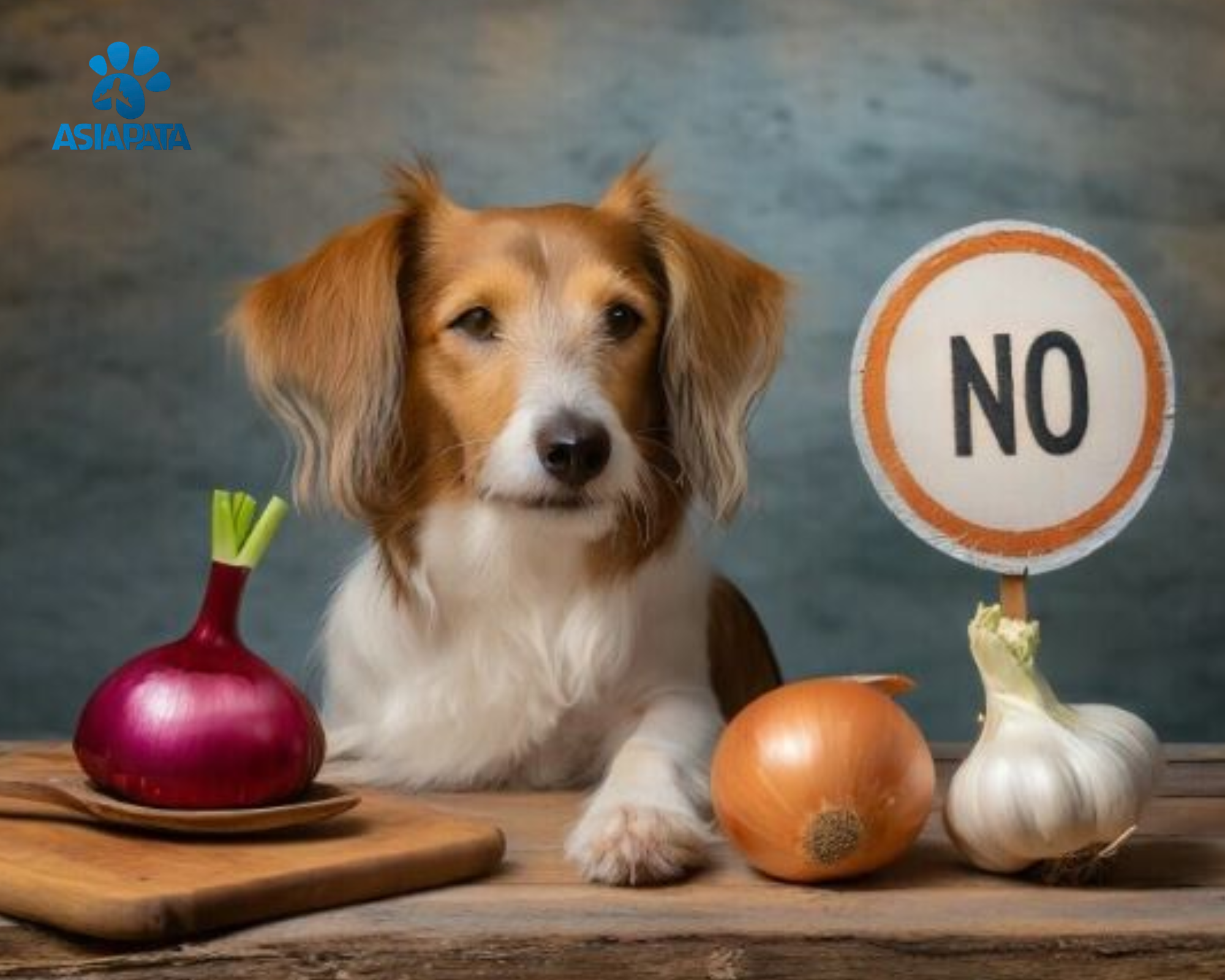
2. Onions, garlic, chives – Causes Anemia
The allium group (onions, garlic, shallots, chives) can destroy a dog’s red blood cells, leading to hemolytic anemia. Symptoms include:
Vomiting
Fatigue
Pale mucous membranes
Rapid breathing
Even cooked onions and garlic are very toxic.
3. Grapes and Raisins – Risk of Kidney Failure
Just a few grapes or a small amount of raisins can cause acute kidney failure in dogs. Signs of poisoning:
Not eating
Continuous vomiting
Abdominal pain
Coma
This food is as dangerous as chocolate.
4. Alcohol – Neurological Effects
Alcohol causes hypoglycemia, neurological disorders, and respiratory failure. Dogs with low body weight can experience severe poisoning from just a few sips of beer or fermented food.
5. Xylitol – Sweetener in Chewing Gum
Xylitol is found in chewing gum, candy, and toothpaste. When dogs ingest it, it can cause:
Sudden drop in blood sugar
Convulsions
Liver damage
This is a fast-acting poison for dogs.
6. Cooked Bones – Can Cause Intestinal Perforation
Many people think bones are good for dogs to chew on, but cooked bones can easily:
Break into pieces
Get stuck in the throat
Perforate the stomach and intestines
If you want to give your dog bones to chew on, use fresh raw bones and monitor carefully.
7. Poor Quality Raw Meat – Risk of Bacterial Infection
Raw meat can contain Salmonella and E. coli, causing diarrhea, fever, and dehydration. If following the BARF diet, ensure the meat is clean and properly frozen.
8. Excessively Salty Food – Causes Dehydration
Dogs cannot process large amounts of salt like humans. Eating too much can cause:
Constant thirst
Swelling
Muscle tremors
Salt poisoning
Avoid feeding your dog foods like dried chicken, canned food, and fast food.
9. Spicy Foods – Causes Mucosal Burns
Chili peppers, black pepper, and other spicy seasonings cause:
Stomach Pain
Vomiting
Diarrhea
Stomach Irritation
Dogs cannot tolerate spicy food, so avoid them completely.
10. Peanut Butter Contains Xylitol
Pure peanut butter is safe, but many varieties contain xylitol, which can easily cause hypoglycemic shock in dogs. Always check the label before feeding.
11. Tea and Coffee – Increase Heart Rate
Caffeine causes:
Anxiety
Trembling
Increased Blood Pressure
Sudden Death in Severe Cases
Do not let your dog lick coffee or tea cups.
12. Milk and Lactose-Containing Products – Causes Diarrhea
Many adult dogs are lactose intolerant; drinking milk will cause:
Stomach Rumbling
Loose Stool
Bloating
If you want to give milk, choose milk specifically formulated for dogs.
13. Fatty meats and fried foods – Risk of pancreatitis
High fat content can cause acute pancreatitis, an extremely dangerous disease. Symptoms include:
Vomiting
Loss of appetite
Abdominal pain
Fever
Absolutely do not feed your dog fried foods or leftover human food.
14. Raw flour – Soaking in the stomach
The yeast in flour causes the flour to swell in the dog’s stomach, causing:
Gas accumulation
Severe pain
Risk of stomach torsion
Do not let your dog lick flour or yeast.
15. Toxic nuts – Macadamia and walnuts
These two types cause:
Trembling
Increased temperature
Muscle weakness
Temporary paralysis
Macadamia nuts are especially dangerous, even if only a few are eaten.
What to do if your dog accidentally eats toxic food?
Upon detection, you should:
Stay calm and observe the symptoms.
Call a veterinarian or take the dog to the clinic immediately.
Prepare information: what the dog ate, the quantity, and for how long.
Absolutely do not induce vomiting without proper instruction.
In critical cases, there are only 1-2 hours to save your dog.
Conclusion:
A dog’s diet may seem simple, but it hides many risks if owners are unaware of harmful foods. Always check carefully before feeding your dog and maintain a safe diet consisting of fresh meat, appropriate vegetables, and specialized dog food.
Prevention is always easier than cure – therefore, avoiding the foods mentioned above is the simplest way to protect your pet’s health and lifespan.
Contact us for any questions!
See more:
