


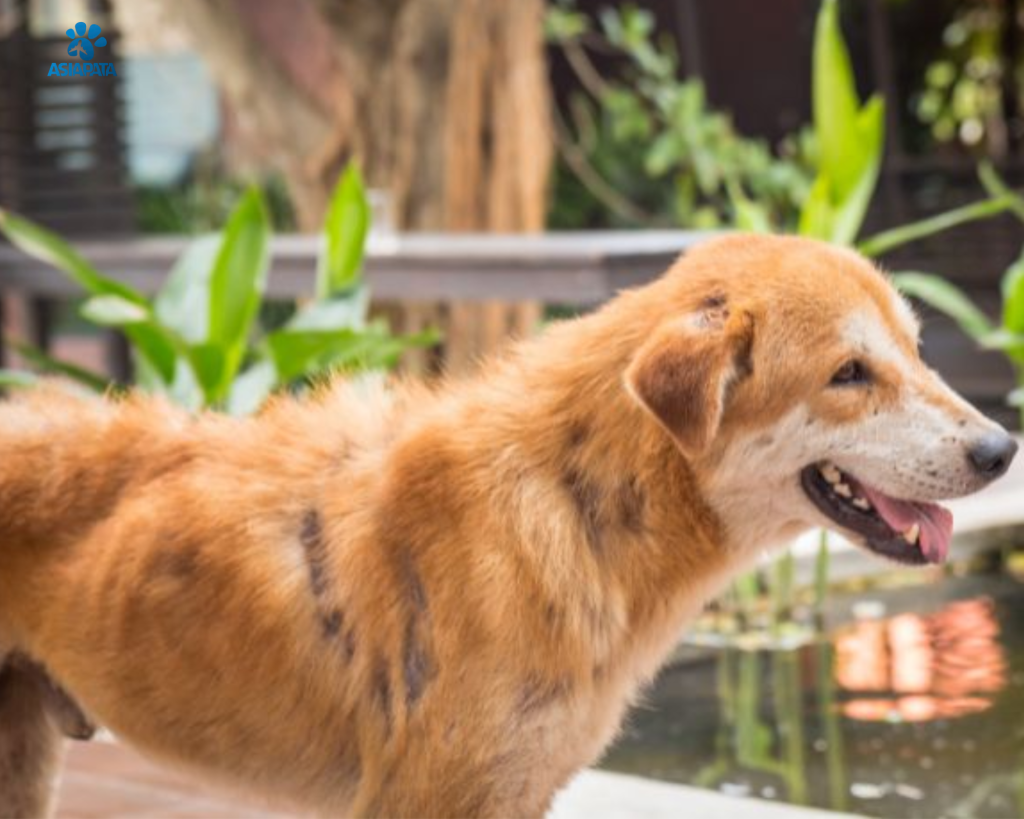
What to Do When Your Dog Has Dermatitis? A Detailed and Easy-to-Understand Guide for Dog Owners
What to Do When Your Dog Has Dermatitis?
Dermatitis is one of the most common diseases in dogs, especially in hot and humid environments like Vietnam. When dogs have dermatitis, they often experience itching, constant scratching, patchy hair loss, and an unpleasant odor. If left untreated, this condition can spread, causing severe infection and directly affecting the health and quality of life of your pet.

So what should you do if your dog has dermatitis? Below is a detailed, easy-to-follow, and pet-friendly guide to help you care for your puppy safely and effectively.
Recognizing Signs of Dermatitis in Dogs
To treat it correctly and promptly, you need to observe the following signs:
Persistent itching
Your dog scratches constantly, rubs its back against walls or floors, or repeatedly licks a specific area of skin.
Hair loss in patches
Areas of fur thinning, baldness, dandruff, or red patches appear.
Red rashes or oozing skin
In some cases, the skin is swollen, red, has yellow pus, oozes fluid, and emits a foul odor.
Scaling and crusting
Dry, cracked, peeling, or thick crusts – common signs of fungal dermatitis.
If you see these symptoms lasting more than 2-3 days, you need to consider the following causes to determine the appropriate course of action.
Causes of Dermatitis in Dogs
Dermatitis in dogs usually stems from 6 main causes:
Parasites: ticks, lice, fleas
They bite the skin, causing intense itching, inflammation, ulcers, and infection.
Food Allergies
Some dogs are allergic to chicken, beef, milk, seafood, etc., leading to red rashes and itching.
Environmental Dermatitis
Pollen, dust, mold, or cleaning chemicals can all irritate the skin.
Fungal or Bacterial Dermatitis
This often occurs when dogs are kept wet for too long, not dried after bathing, or live in unsanitary environments.
Endocrine Disorders
Zinc deficiency, hypothyroidism, or hormonal changes can weaken the skin and make it prone to inflammation.
Too Frequent Bathing or Using Unsuitable Shampoos
Dogs’ skin is more sensitive than human skin and easily loses its natural oils if the wrong products are used.
What to Do When Your Dog Has Dermatitis? – 7 Steps to Proper Treatment

Checking the cause of inflammation
Observe if your baby has ticks/fleas, is changing their food, or has recently bathed with an unfamiliar bath soap. Identifying the correct cause is the most important step.
Cleaning the inflamed skin area
Use 0.9% saline solution to gently wash the affected area.
Dry with a soft towel.
Do not shave too closely (this can easily damage the skin).
Proper hygiene helps reduce bacteria and allows medication to penetrate better.
Using medication for the specific condition
Use products appropriate for each cause:
Parasitic dermatitis: Nexgard, Bravecto, Frontline eye drops…
Fungal/bacterial dermatitis: Apply antifungal/anti-inflammatory cream or spray such as Ketoconazole, Chlorhexidine, Bactine…
Allergic dermatitis: Your doctor may prescribe additional antihistamines or low-dose corticosteroids.
Note: Do not self-medicate (especially with strong corticosteroid creams).
Bathing with medicated shampoos for dermatitis
Use specialized shampoos such as:
Chlorhexidine
Ketoconazole
Benzoyl Peroxide
Nano silver
Frequency: Once a week until completely healed. After bathing, dry thoroughly to avoid dampness.
Maintain a clean living environment
Wash bedding, blankets, and clothes regularly
Sun-dry belongings
Vacuum, mop, and disinfect regularly
Avoid letting your dog lie in damp places
A dirty environment causes bacteria, fungi, and fleas to reappear repeatedly.
Adjust diet
When your dog has dermatitis, you should:
Limit chicken, beef, and greasy foods
Supplement with omega-3 and omega-6 (from salmon, fish oil)
Feed boiled vegetables to boost immunity
Provide enough water daily
If you suspect food allergies, try eliminating food groups one by one for 1–2 weeks.
Take your dog to the vet if the condition is severe.
You should take your dog to the veterinarian if:
The skin is oozing pus or has deep ulcers.
The dog is refusing to eat, has a fever, or is lethargic.
The lesions are spreading rapidly across the body.
Home treatment for 5-7 days does not improve the condition.
Early examination helps avoid dangerous complications such as blood infection.
How to Prevent Dermatitis in Dogs Long-Term
Bathe regularly and use the right shampoo.
Hot weather: 1-2 times/week
Cold weather: 1 time/week or as needed.
Do not use human shampoo.
Regular tick and flea treatment.
Apply tick and flea medication every 1-3 months for long-term protection.
Keep the body dry.
After bathing or being in the rain, dry thoroughly, especially between the toes, belly, and armpits.
Supplement the skin with nutrients.
Omega-3 helps keep the skin healthy and reduces inflammation.
Conclusion
When a dog suffers from dermatitis, owners need to treat it promptly and correctly to avoid complications and help the dog recover quickly. Dermatitis is not difficult to treat, but it is prone to recurrence if the environment is not clean or the wrong products are used. Follow these 7 steps: check the cause – clean – use appropriate medication – therapeutic bathing – maintain a clean environment – adjust diet – consult a veterinarian when necessary.
Contact us for quick and safe support!
See more
