

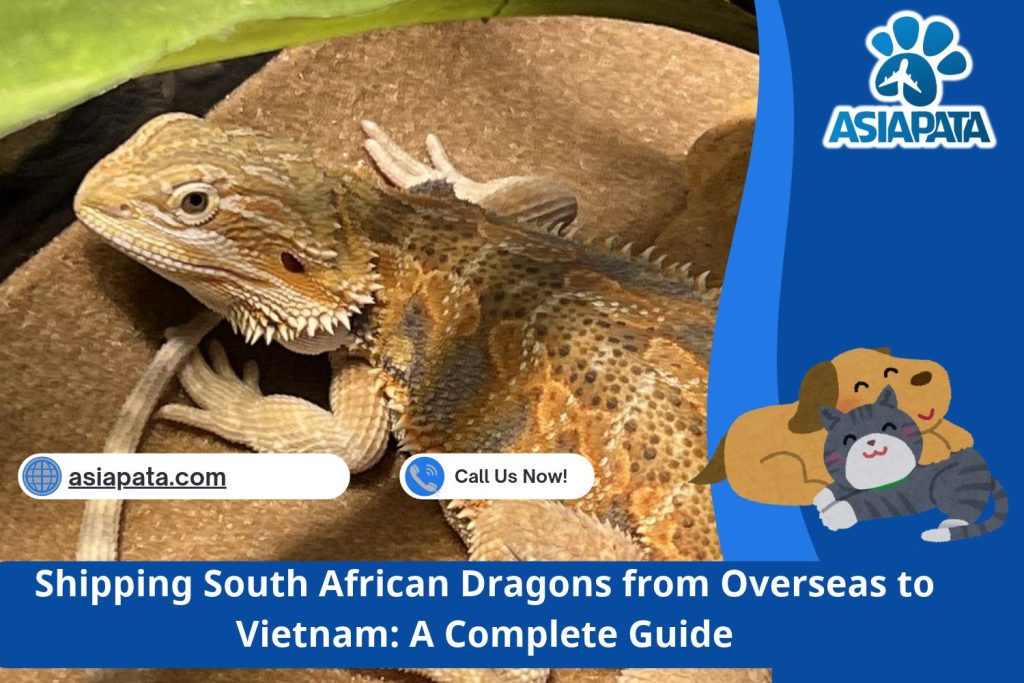
Shipping South African Dragons from Overseas to Vietnam: A Complete Guide
Shipping a South African dragon from overseas to Vietnam requires careful preparation, suitable transportation, and compliance with animal import regulations. Whether you are importing a pet reptile or transporting a dragon for breeding purposes, animal welfare and legal requirements should always be the top priorities.
In this article, we explain the key considerations, transportation procedures, costs, and precautions involved in bringing South African dragons into Vietnam.
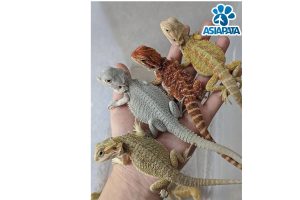
Note: The term “South African dragon” may refer to different reptile species. This guide assumes you mean a live reptile, such as a bearded dragon or a similar species originating from South Africa. The exact species must be confirmed before arranging transportation.
1. What Is a South African Dragon?
South African dragons are reptiles associated with the diverse wildlife of southern Africa. Depending on the species, these animals may require specific temperatures, humidity levels, lighting conditions, and feeding routines.
Before importing a reptile into Vietnam, the importer should identify its scientific name and country of origin. This information helps determine whether the animal can be legally imported and what documents are required.
Important information to prepare includes:
-
Scientific and common names of the species.
-
Country of origin and exporting country.
-
Number of animals to be transported.
-
Age, size, and general health condition.
-
Purpose of importation, such as keeping as a pet or breeding.
Accurate identification is essential because different reptile species may be subject to different wildlife protection and import requirements.
2. Regulations for Importing South African Dragons into Vietnam
Importing live reptiles into Vietnam requires more than simply booking an international shipment. The importer must check the applicable wildlife, veterinary, quarantine, and customs requirements before transportation.
Depending on the species and its conservation status, the following documents or permits may be required:
-
Import permits: Authorization from the relevant Vietnamese authorities, where applicable.
-
Export permits: Documents issued by the exporting country when required.
-
CITES documents: Permits or certificates for species regulated under the Convention on International Trade in Endangered Species of Wild Fauna and Flora.
-
Veterinary health certificates: Documents confirming the animal’s health status when required.
-
Quarantine documents: Records or approvals required by the relevant veterinary authorities.
-
Customs documentation: Commercial invoices, transport documents, and other supporting paperwork as applicable.
Not every reptile requires every document listed above. Requirements depend on the exact species, its origin, the purpose of importation, and the applicable regulations.
Important: Do not purchase or ship the animal until its import eligibility has been confirmed with the relevant Vietnamese authorities. Wildlife protection rules and CITES requirements may restrict or prohibit certain shipments.
3. Choosing the Right Transportation Method
Air freight is generally the most practical option for transporting live reptiles internationally. It can reduce transit time and help minimize the stress associated with prolonged transportation.
However, acceptance depends on the airline, species, packaging, route, and applicable regulations.
Air Freight for Live Reptiles
Air freight may be suitable when the shipment requires controlled handling and a relatively short transit time.
Key considerations include:
-
Selecting an airline that accepts the specific reptile species.
-
Confirming the permitted container dimensions and packaging standards.
-
Checking temperature conditions during transit.
-
Arranging suitable connections and minimizing unnecessary delays.
-
Confirming the receiving arrangements at the destination airport.
Direct flights may help reduce handling and transit risks when available. If connecting flights are necessary, each transit country’s requirements must also be checked.
Why Proper Packaging Matters
Live reptiles need secure, well-ventilated containers designed for their species. Packaging must comply with airline rules and applicable live-animal transport standards.
The container should prevent escape and injury while allowing adequate ventilation. Temperature management is also important, particularly for reptiles sensitive to cold or excessive heat.
Improper packaging can result in shipment refusal, animal injury, or serious health risks.
4. Step-by-Step Process for Shipping South African Dragons to Vietnam
A clear transportation process helps reduce delays and improves the chances of a smooth import operation.
Step 1: Confirm the Species and Import Conditions
The first step is to identify the reptile accurately. The importer should provide its scientific name, origin, quantity, and intended purpose.
The relevant authorities should then confirm whether the species can be imported and what permits are necessary.
Step 2: Prepare the Required Documents
Once import eligibility is established, the exporter and importer should prepare the required permits and certificates.
All documents must contain consistent information about the species, quantity, origin, and parties involved.
Missing or inconsistent paperwork can delay customs clearance or result in the shipment being held.
Step 3: Check Airline Acceptance
Before booking, the shipper should confirm that the selected airline accepts the reptile.
The airline may request details about the animal, container, temperature requirements, and supporting documentation.
A booking should only be finalized after the applicable requirements have been confirmed.
Step 4: Prepare the Animal for Transportation
The animal should be assessed for fitness to travel. The exporter should follow appropriate veterinary advice and species-specific handling procedures.
The shipping container must be secure, ventilated, and suitable for the expected transit conditions.
Feeding, hydration, and temperature arrangements should follow professional guidance for the species.
Step 5: Complete Export Procedures
The exporter arranges the required export approvals, veterinary checks, and customs formalities in the country of departure.
The shipment can proceed only when the necessary documents and airline acceptance conditions are satisfied.
Step 6: Transport the Shipment to Vietnam
The animal is transported by air under the agreed shipping arrangements.
During this stage, the shipper or logistics provider should monitor shipment status and coordinate with the receiving party. Any transit requirements must be met before the shipment continues.
Step 7: Complete Import Clearance in Vietnam
Upon arrival, the importer or authorized representative completes the applicable customs, veterinary, quarantine, and wildlife documentation procedures.
The animal may require inspection or additional authorization before release.
Delivery should only take place after all required clearances have been completed.
5. Factors Affecting the Shipping Cost
The cost of transporting South African dragons from overseas to Vietnam depends on several factors. Because live animals require specialized handling, the total expense may differ significantly from ordinary air cargo.
The main cost components include:
-
Air freight charges: Based on the airline, route, shipment characteristics, and chargeable weight.
-
Specialized packaging: Costs for suitable live-animal containers and necessary materials.
-
Veterinary expenses: Health examinations and certificates, where required.
-
Permit and documentation fees: Charges associated with export and import approvals.
-
Customs and inspection fees: Applicable clearance, inspection, or quarantine costs.
-
Handling charges: Fees for special cargo handling at departure and arrival airports.
-
Local transportation: Costs for moving the animal between the airport and the final destination, where permitted.
To obtain an accurate quotation, the importer should provide the species, country of departure, destination city in Vietnam, number of animals, and approximate container dimensions.
A final quotation should clearly distinguish transportation charges from permits, inspections, customs duties, and other possible expenses.
6. Common Risks When Importing Live Reptiles
International transportation can expose reptiles to several risks. Proper preparation and professional handling can help reduce these risks.
Delays Caused by Missing Documents
Incomplete permits or incorrect species information can lead to delays at departure or arrival.
The best approach is to verify the documentation requirements before purchasing the animal or booking the flight.
Temperature Fluctuations
Reptiles can be sensitive to unsuitable temperatures. Excessive heat or cold during ground handling, transit, or storage may affect their health.
The shipper should confirm the species’ temperature requirements and the airline’s available handling arrangements.
Stress During Transportation
Noise, movement, unfamiliar surroundings, and long transit times can cause stress.
Choosing an appropriate container and minimizing unnecessary transfers can help reduce transportation risks.
Rejection by the Airline
Not all airlines accept every species of live reptile. Some may impose restrictions on particular routes or require advance approval.
Confirming acceptance before booking is therefore essential.
Wildlife Import Restrictions
Some species may be protected under national laws or CITES regulations. Importing them without the necessary authorization may result in seizure, penalties, or other legal consequences.
Species identification and permit verification should always come before shipment arrangements.
7. Important Tips for a Smooth Import Process
Before arranging transportation, importers should follow these recommendations:
-
Confirm the scientific name of the South African dragon.
-
Verify that the species is legally eligible for import into Vietnam.
-
Check CITES and other wildlife documentation requirements.
-
Obtain confirmation from the relevant veterinary and quarantine authorities.
-
Choose an airline that accepts the specific animal.
-
Use suitable packaging that meets applicable live-animal transport standards.
-
Plan the route to reduce transit time and unnecessary handling.
-
Prepare the destination facility before the animal arrives.
-
Keep copies of all permits, certificates, and transport documents.
-
Work with an experienced live-animal logistics provider when specialized coordination is needed.
These precautions help improve shipment planning and reduce the risk of unexpected problems.
8. Why Choose a Professional Logistics Provider?
Transporting live reptiles internationally requires coordination between the exporter, importer, airline, customs authorities, and relevant animal health agencies.
A professional logistics provider can help coordinate transportation arrangements and clarify the documents required for the proposed shipment.
Depending on its services and authorizations, the provider may assist with:
-
Checking transportation requirements.
-
Coordinating air freight bookings.
-
Advising on packaging and airline acceptance.
-
Organizing shipment documentation.
-
Tracking shipment progress.
-
Coordinating with the receiving party in Vietnam.
However, a logistics provider cannot replace permits or approvals issued by competent authorities. Import eligibility and legal compliance must be confirmed before transportation begins.
9. Post-Arrival Care for South African Dragons in Vietnam
After arriving in Vietnam, South African dragons need proper care and careful monitoring. International transportation can affect their health and behavior. Therefore, the receiving party should prepare a suitable environment before the shipment arrives.
Inspect the Animal Upon Arrival
The recipient should check the animal’s physical condition after completing the required import procedures. Signs such as unusual behavior, visible injuries, breathing difficulties, or severe weakness should be taken seriously.
If the animal shows signs of illness or transportation stress, the recipient should contact a veterinarian experienced in reptile care. Early assessment can help identify potential problems and support recovery.
Prepare a Suitable Living Environment
The receiving facility should be ready before the animal is released from the transport container. Temperature, humidity, ventilation, lighting, and shelter should be adjusted according to the exact species.
Different reptiles have different environmental needs. Importers should not assume that all South African dragon species require the same conditions.
A suitable enclosure should also provide enough space for normal movement. Secure doors and appropriate barriers can help prevent escape during handling and acclimatization.
Allow Time for Acclimatization
After a long journey, the animal may need time to adjust to its new surroundings. Unnecessary handling and sudden environmental changes should be avoided.
Food and water should be provided according to species-specific care recommendations. The recipient should monitor the animal’s activity, appetite, and general condition during the initial adjustment period.
Maintain Health and Transportation Records
Keeping detailed records can help the owner monitor the animal’s condition and maintain traceability. Important information includes the arrival date, origin, identification details, veterinary documents, and any observations made after transportation.
These records may also be useful for future veterinary visits or compliance checks.
Ensure Long-Term Legal Compliance
Importing a reptile is not only about completing transportation and customs procedures. Owners should also understand the regulations that apply to keeping, breeding, transferring, or selling the animal in Vietnam.
Additional requirements may apply to protected species or animals regulated under wildlife conservation laws. Owners should retain relevant permits and follow the conditions attached to them.
Proper post-arrival care is an essential part of successful live-animal transportation. By preparing the receiving environment, monitoring the animal’s health, and maintaining the required documentation, importers can support animal welfare and manage the transition from overseas transportation to life in Vietnam more responsibly.
Conclusion
Shipping South African dragons from overseas to Vietnam requires careful planning, accurate species identification, appropriate packaging, and compliance with wildlife import regulations.
Air freight may be a suitable transportation option, but airline acceptance and import eligibility must be verified in advance. Importers should also prepare the necessary permits, veterinary documents, and customs paperwork before the animal departs.
With proper preparation and professional coordination, the transportation process can be better organized while prioritizing animal welfare and legal compliance.
Xem thêm: Top 10 Most Beautiful Cat Breeds in the World
Xem thêm: Short-Nosed Dog Breeds: Popular Types, Characteristics, and Essential Care Tips
Xem thêm: Signs Your Pet Needs to Be Taken to a Veterinarian
