

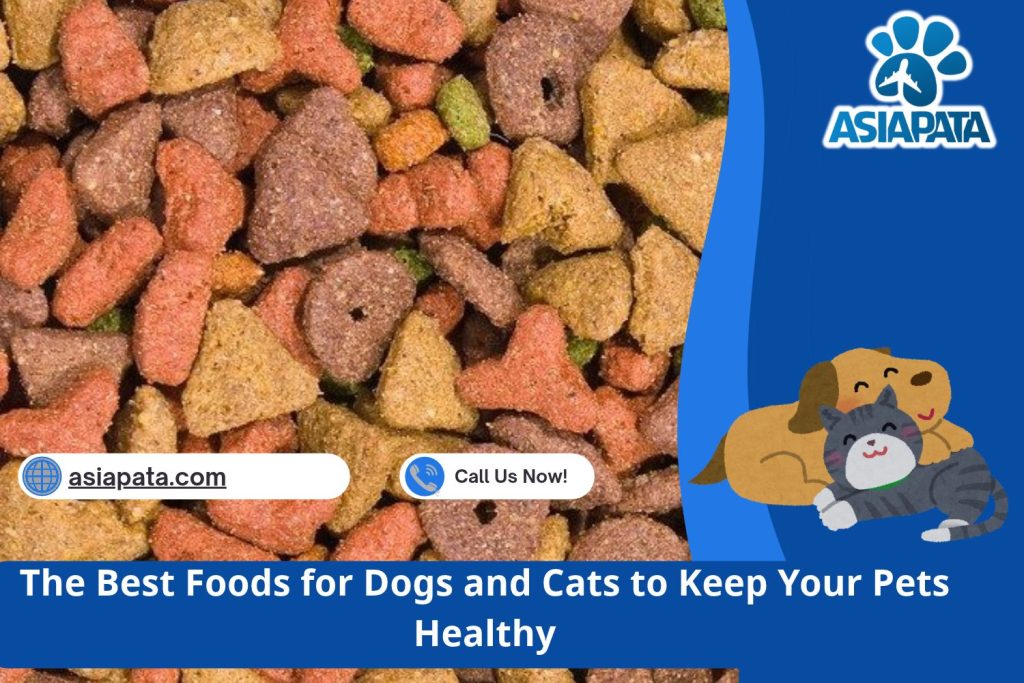
The Best Foods for Dogs and Cats to Keep Your Pets Healthy
Nutrition plays an important role in the health of dogs and cats. A suitable diet helps pets grow well and maintain a healthy weight. Balanced nutrition also supports digestion, skin health, and coat quality.
Today, pet owners have many food options. Common choices include dry food, wet food, meat, fish, eggs, and vegetables. However, not every food is suitable for dogs and cats. Each species has different nutritional needs.
So, what are the best foods for dogs and cats? How can you choose safe and nutritious ingredients? Let’s explore the details in this article.
1. Dry Food for Dogs and Cats
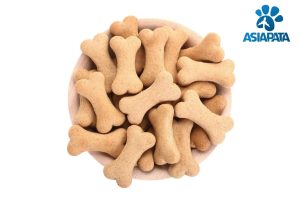
Dry food is a popular choice among pet owners. It is easy to serve and convenient to store. Many products are also designed for different life stages.
High-quality dry food provides protein, fat, vitamins, and minerals. These nutrients help maintain normal body functions. They also support muscle development and provide daily energy.
How to Choose the Right Dry Food
Choose food based on your pet’s age and body condition. Puppies and kittens need formulas that support growth. Adult pets need food that helps maintain a healthy weight. Senior pets may require a different diet.
Check the ingredients and expiration date before buying. Choose products from reputable manufacturers. Do not make your decision based on price alone.
Most importantly, do not use dog food as a substitute for cat food. Cats require certain nutrients, including taurine. Dog food may not provide enough of these essential nutrients.
2. Chicken and Other Lean Meats
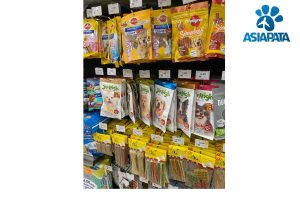
Meat is an important source of protein for dogs and cats. Protein helps build muscles and maintain body tissues. Suitable options include chicken, beef, and lean pork.
Chicken
Chicken contains protein and is easy to prepare. You can boil or steam it until fully cooked. Remove all bones before serving it to your pet.
Do not add salt, onions, garlic, or sauces. These ingredients can be harmful to pets. You should also limit fatty chicken skin.
Beef
Beef provides protein, iron, and B vitamins. These nutrients support normal body functions. Lean beef can be added to your pet’s diet in suitable amounts.
Cook the beef thoroughly before serving it. Cut it into small pieces that are easy to eat. Avoid feeding raw beef regularly.
Lean Pork
Lean pork is another source of protein. It also provides several B vitamins. Remove excess fat and cook the meat thoroughly.
Avoid processed meats such as sausages and bacon. These products often contain high levels of salt and fat. They are not suitable for regular feeding.
Remember that lean meat alone cannot provide a complete diet. Dogs and cats need many other nutrients to stay healthy.
3. Fish and Suitable Seafood
Fish provides protein and beneficial fatty acids. Salmon and sardines are options worth considering. Some fish also contain omega-3 fatty acids, which support skin and coat health.
Benefits of Fish for Dogs and Cats
Fish helps add variety to your pet’s protein sources. Omega-3 fatty acids also support normal body functions. However, the amount of fish should match your pet’s nutritional needs.
Do not feed only fish for extended periods. A fish-only diet may lack essential nutrients. Combine fish with a complete and balanced diet instead.
How to Prepare Fish Safely
Cook fish thoroughly before feeding it to your pet. Remove all bones to reduce the risk of choking. Do not add salt, fish sauce, or seasonings.
Avoid feeding raw fish regularly. Raw food may contain harmful bacteria and parasites. When introducing seafood, start with a small amount.
If your pet develops vomiting, diarrhea, or itching after eating, stop feeding that food. Contact a veterinarian if symptoms persist or become severe.
4. Fully Cooked Eggs
Eggs provide protein and several essential nutrients. They can be a useful addition to a dog or cat’s diet. However, eggs should not replace the main food source.
Boiled eggs are a simple preparation option. You can also serve steamed eggs without seasoning. Cut them into small portions to make eating easier.
Do not feed raw or undercooked eggs to pets. They may carry harmful bacteria. Raw egg consumption may also affect nutritional balance.
For overweight pets, control the amount of egg given. Extra food also adds calories to the daily diet. If your pet is on a weight-management plan, consult a veterinarian.
5. Healthy Vegetables for Dogs and Cats
Some vegetables can provide fiber and vitamins. However, dogs and cats have different nutritional needs. Vegetables should only serve as a supplement to their main diet.
Carrots
Carrots provide fiber and beta-carotene. You can steam or boil them until soft. Then, cut them into small pieces for easier eating.
Avoid serving large pieces. Hard chunks may cause choking, especially in small dogs. Always supervise your pet when introducing new foods.
Pumpkin
Cooked pumpkin can provide additional dietary fiber. Serve plain pumpkin without added seasonings. A small amount is usually enough.
Do not use pumpkin as a treatment for ongoing digestive problems. If your pet has persistent diarrhea, the underlying cause needs attention. A veterinarian can recommend the appropriate treatment.
Green Beans
Green beans can be steamed or boiled until cooked. Cut them into small pieces before serving. Avoid preparing them with butter, salt, or sauces.
Cucumber
Cucumber contains a high amount of water. It can be offered as an occasional snack. Wash it thoroughly and cut it into suitable pieces.
Not every dog or cat enjoys vegetables. Do not force your pet to eat foods it does not tolerate. The most important priority is a complete and balanced main diet.
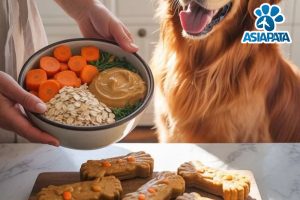
6. Fruits That Can Be Offered to Dogs and Cats
Some fruits can be served as occasional treats. However, portions should remain small. Fruit cannot replace a pet’s main diet.
Apples
Apples can be offered to dogs in small amounts. Wash the fruit and remove the seeds and core. Cut it into pieces that match your dog’s size.
Watermelon
Seedless watermelon flesh can be an occasional treat for dogs. Remove the rind and all seeds before serving. Avoid feeding large amounts at once.
Blueberries
Blueberries provide fiber and antioxidant compounds. A few berries can be offered as a treat. Wash them thoroughly before feeding.
For cats, fruit should make up only a very small part of the diet. Avoid fruits that are unsafe for pets. In particular, never feed grapes or raisins to dogs or cats.
7. Wet Food and Pâté for Dogs and Cats
Pâté is a popular choice among pet owners. It has a soft texture and an appealing smell. Its relatively high moisture content also helps increase water intake.
Benefits of Wet Food
Wet food may be suitable for picky eaters. It can also help pets that have difficulty chewing. For cats, wet food can increase water intake through meals.
However, choose products specifically formulated for dogs or cats. Look for products labeled as complete and balanced food. Products intended only as treats should not replace the main diet.
How to Store Pâté
Check the expiration date before purchasing. After opening, cover the food and store it according to the label. Do not leave wet food exposed at room temperature for too long.
Discard pâté if it develops an unusual smell or changes color. Never feed pets food that shows signs of spoilage. Proper storage helps reduce the risk of digestive problems.
8. Milk and Nutritional Supplements
Not all dogs and cats can digest cow’s milk well. Pets that are lactose intolerant may develop diarrhea. They may also experience bloating or stomach discomfort.
If you want to provide milk, choose products specifically made for dogs or cats. Follow the recommended serving instructions. Milk cannot replace complete food or clean drinking water.
Unweaned puppies and kittens have special nutritional needs. If supplementation is necessary, use a milk replacer designed for the appropriate species. Do not casually substitute cow’s milk for their mother’s milk.
Vitamin and mineral supplements also require careful consideration. Pets eating complete food may not need additional supplements. Excessive supplementation can lead to nutritional imbalances.
9. Choosing Food Based on Your Pet’s Age
Dogs and cats have different nutritional needs at each life stage. Choosing the right food helps support healthy development.
Puppies and Kittens
Young pets need nutrients to support growth. Choose food specifically formulated for puppies or kittens. Their diet must provide sufficient energy and essential nutrients.
You can divide their daily food into several small meals. Adjust portions according to age and the manufacturer’s instructions. Do not feed only meat or fish for extended periods.
Adult Dogs and Cats
Adult pets need food that maintains a healthy body condition. Their food intake depends on weight and activity level. Less active pets often need closer calorie control.
Monitor your pet’s weight regularly. If your pet gains weight quickly, adjust the portion size. Avoid sudden reductions in food without assessing nutritional needs.
Senior Dogs and Cats
Older pets may become less active. Some may also develop dental or digestive problems. Food choices should reflect their individual condition.
You may consider products designed for senior pets. However, not every older animal needs the same formula. Pets with kidney disease, diabetes, or other chronic conditions may need a veterinarian-recommended diet.
10. Foods That Dogs and Cats Should Avoid
Choosing healthy food is important. However, pet owners must also avoid potentially toxic ingredients. Some common human foods can be dangerous for pets.
Foods to avoid include:
- Chocolate: Can cause poisoning, especially in dogs.
- Onions and garlic: Can damage red blood cells in dogs and cats.
- Grapes and raisins: Can cause serious kidney injury in dogs.
- Coffee: Caffeine can affect the heart and nervous system.
- Alcohol: Can cause poisoning, even in small amounts.
- Foods containing xylitol: This sweetener can cause severe low blood sugar in dogs.
- Cooked bones: They may splinter and damage the digestive tract.
Avoid giving pets food that contains excessive salt or fat. Spoiled food should also be discarded. Store potentially harmful foods where pets cannot reach them.
If your pet eats a potentially toxic substance, contact a veterinarian immediately. Do not induce vomiting or try home remedies without professional advice. Prompt action can help reduce the risk of complications.
11. How to Build a Healthy Diet for Dogs and Cats
A healthy diet must provide the right nutrients in suitable portions. Pet owners should pay attention to food quality, serving size, and preparation methods.
Choose Complete and Balanced Food
Select products suitable for your pet’s species and life stage. Complete food helps provide essential nutrients. If you prefer home-cooked meals, use a properly balanced recipe.
Do not combine rice, meat, and vegetables based only on guesswork. This approach may lead to nutritional deficiencies. Cats especially need sufficient amounts of their species-specific nutrients.
Control Daily Food Portions
Overfeeding can cause weight gain. On the other hand, insufficient food may lead to malnutrition. Adjust portions according to your pet’s actual needs.
Start by checking the feeding guide on the product packaging. Then, adjust based on body condition and activity level. Treats should also count toward daily calorie intake.
Introduce New Food Gradually
Do not switch foods too suddenly. If your pet tolerates the change well, transition gradually over about 7–10 days. Increase the proportion of new food step by step.
Monitor your pet’s appetite and stool during the transition. If vomiting or diarrhea persists, consult a veterinarian.
Provide Enough Clean Water
Water is essential for the health of dogs and cats. Place clean drinking water where your pet can easily reach it. Change the water regularly to maintain hygiene.
For cats that drink little water, place several bowls around the home. Wet food can also increase water intake. However, fresh drinking water should always remain available.
Monitor Your Pet’s Health
Observe your pet after every dietary change. Pay attention to weight, coat condition, and digestion. Unusual changes may indicate that the diet is unsuitable.
If your pet refuses food, loses weight, or vomits repeatedly, seek veterinary care. Do not give medicines or vitamins without proper advice. A veterinary examination can help identify the cause and guide treatment.
12. Frequently Asked Questions About Dog and Cat Food
Can Dogs and Cats Eat the Same Food?
Dog and cat food should not be used interchangeably as their main diet. Cats need certain essential nutrients, including taurine. Dog food may not meet all of a cat’s nutritional requirements.
Can Dogs and Cats Eat Rice Every Day?
Plain cooked rice may be suitable in limited amounts. However, rice alone cannot provide all essential nutrients. The overall diet must remain complete and balanced.
Can Dogs and Cats Eat Raw Meat?
Raw meat is not recommended without careful professional guidance. It may contain harmful bacteria and parasites. Properly cooked meat is generally a safer option.
Is More Expensive Pet Food Always Better?
Price alone does not determine food quality. Check the ingredients and nutritional adequacy. The product must also suit your pet’s individual needs.
Conclusion
Choosing the best foods for dogs and cats is an important part of responsible pet care. Dry food, pâté, lean meat, fish, and eggs can provide valuable nutrients. Some vegetables and fruits can also be offered in suitable amounts.
However, dogs and cats have different nutritional requirements. Choose complete and balanced food whenever possible. Consider your pet’s age, weight, and health condition when selecting products.
Clean water and regular exercise are also essential. Monitor your pet’s body condition and behavior regularly. Seek veterinary advice whenever unusual symptoms appear. Proper nutrition and consistent care can help dogs and cats stay healthy and enjoy a better quality of life.
Xem thêm: Summer-Ready Backpack or Bag for Small Dogs: Essential Packing Tips
Xem thêm: Bring pets to the UK
Xem thêm: Regulations for Transporting Pets by Air from Germany to Vietnam
