

Transporting Pony Horses from Australia to Da Lat for Tourism
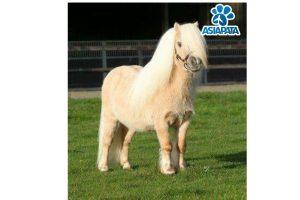
Transporting Pony horses from Australia to Da Lat for tourism is becoming a consideration for farms and eco-tourism resorts. Pony horses are small and attractive. They can become a highlight of farm tourism experiences.
Da Lat is famous for its cool climate and natural scenery. The city has many resorts and farms that focus on outdoor experiences. Importing Pony horses can help diversify tourism activities.
However, transporting live horses requires careful preparation. Owners must consider the horses’ health, veterinary documents, and import requirements. The transport plan must also suit each animal.
1. Demand for Transporting Pony Horses from Australia to Da Lat
Da Lat has many advantages for eco-tourism development. Farms and resorts often focus on outdoor experiences. Pony horses can become an attraction at suitable destinations.
Common purposes for importing Pony horses include:
- Farm tourism: Adding new activities for visitors.
- Animal experiences: Helping visitors learn about Pony horses.
- Photography: Creating attractive photo opportunities.
- Horse-riding activities: Providing riding experiences when safety requirements are met.
- Farm development: Adding animals to eco-tourism models.
Each purpose requires a suitable care plan. Investors should determine the number of horses before importing them. Age, size, and health should also be considered.
2. Why Choose Pony Horses from Australia?
Australia has a developed horse-breeding industry. The country also participates in the export of live animals. Therefore, Australia is a market worth considering when sourcing Pony horses.
However, customers must check export and import requirements before making a purchase. Not every horse meets the requirements for international transportation.
When selecting Pony horses from Australia, consider the following factors:
- Origin: Each horse should have clear identification and origin records.
- Health: A veterinarian should examine the horse.
- Age: The horse should be suitable for its intended purpose.
- Size: Its body measurements affect the transport stall arrangement.
- Temperament: Its ability to adapt to an environment with visitors should be assessed.
- Import requirements: The horse must meet current veterinary regulations.
Careful inspection helps reduce risks after purchase. It also allows investors to plan costs and schedules more effectively.
3. Transportation Methods for Pony Horses from Australia to Da Lat
The transportation method depends on the horses’ health and size. The schedule must also match the carrier’s acceptance conditions.
3.1. Air Freight
Air freight is an option to consider when transporting Pony horses from Australia to Vietnam. It helps reduce international transit time.
The horses must be placed in specialized transport stalls. Each stall must suit the size of the individual horse. Proper ventilation and safety conditions must be maintained.
Not every flight accepts live horses. Therefore, customers should confirm the airline’s acceptance conditions before booking.
In addition to air freight charges, customers should budget for specialized stalls. Handling and animal care fees must also be considered.
3.2. Combined Air and Road Transportation
Transporting Pony horses to Da Lat usually involves several stages.
- Stage 1: Collecting the horses in Australia.
- Stage 2: Conducting health checks and preparing documents.
- Stage 3: Transporting the horses by air.
- Stage 4: Completing import and quarantine procedures in Vietnam.
- Stage 5: Transporting the horses to Da Lat once all requirements are met.
Road vehicles must be suitable for live animals. They should provide adequate ventilation and safety. The route should be planned to minimize waiting time.
4. Transportation Process for Pony Horses from Australia to Da Lat
Step 1: Collecting Shipment Information
Customers provide information about the number of horses. Required details include breed, age, and estimated weight.
The collection address in Australia must also be confirmed. Customers should provide the delivery address in Da Lat. The intended use helps determine the most suitable horses.
Step 2: Checking Import Requirements
This step should be completed before purchasing the horses. Customers must verify import conditions with the competent veterinary authorities in Vietnam.
Requirements may involve permits and quarantine procedures. Some cases may require testing or isolation. Specific conditions depend on current regulations.
Customers should not assume that horses with Australian documents can automatically enter Vietnam. Early verification helps prevent additional costs.
Step 3: Health Checks and Document Preparation
The horses must undergo health checks before export. The documents must meet the requirements of the relevant authorities.
Required documents may include:
- Veterinary health certificates.
- Export quarantine or veterinary certificates.
- Test results, where required.
- Vaccination records, if requested.
- Horse identification and origin records.
- Import permits, where applicable.
This list is for reference only. Customers must confirm the actual requirements before transportation.
Step 4: Preparing Transport Stalls and Booking
Pony horses must be placed in specialized transport stalls. The stall dimensions must suit each horse.
Ventilation and flooring conditions must be checked. The horses must also be healthy enough to travel.
Once the airline confirms acceptance, the parties can proceed with booking. All information in the documents must match the actual shipment.
Step 5: Transporting the Horses from Australia to Vietnam
The horses are transported according to procedures for live animals. All parties must comply with the airline’s requirements.
The schedule must be confirmed before departure. If the route includes a transfer, acceptance conditions at each stage must be checked.
Customers should request an estimated itinerary. Contingency arrangements for flight changes should also be discussed in advance.
Step 6: Completing Import and Quarantine Procedures
Upon arrival in Vietnam, the owner completes the required procedures. Officials may inspect the documents and assess the horses’ health.
Some cases may require additional testing. Processing time depends on the documents and quarantine requirements.
The horses can only continue their journey once the necessary conditions are met. Owners should allow sufficient time for this stage.
Step 7: Transporting the Horses to Da Lat
Once the horses are cleared for onward transportation, they are taken to Da Lat. The vehicle must be suitable for live animals.
The route should prioritize safety and minimize excessive vibration. The horses’ condition should be monitored throughout the journey.
Upon delivery, customers should check the number of horses and their identification details. The horses need time to rest after the journey. Care should follow a veterinarian’s instructions.
5. Transit Time for Pony Horses from Australia to Da Lat
Transportation time depends on several factors. Flight time is only one part of the overall journey.
Factors affecting the schedule include:
- Departure location in Australia.
- Flight schedules and transfer time.
- Veterinary document preparation.
- Progress of import procedures.
- Quarantine or testing time, if required.
- Road transportation arrangements to Da Lat.
Therefore, a fixed transit time cannot be guaranteed for every shipment. Customers should confirm the schedule after all requirements have been checked.
If the horses are needed for a resort opening, investors should plan well in advance. They should not schedule tourism activities before confirming the expected arrival date.
6. Cost of Transporting Pony Horses from Australia to Da Lat
Transportation costs depend on the characteristics of each shipment. The number and size of the horses may affect the total cost.
6.1. Air Freight Charges
Air freight charges depend on the route and the carrier’s acceptance conditions. The horses’ dimensions and transport equipment must also be considered.
Customers should provide information about each horse. The transport provider can then assess the shipment and determine whether a quotation is possible.
6.2. Specialized Transport Stall Costs
The horses must be placed in suitable transport equipment. Costs depend on the dimensions and required transport standards.
Proper preparation from the beginning helps avoid last-minute changes.
6.3. Quarantine and Veterinary Document Costs
These expenses may include health examinations and laboratory tests. Certification and quarantine fees should also be considered.
If additional requirements arise, the total cost may change. Customers should verify the applicable charges before proceeding.
6.4. Road Transportation Costs
After completing the required procedures, the horses are transported to Da Lat using suitable vehicles. Costs depend on the distance and number of horses.
Vehicle type and delivery arrangements also affect the quotation. Customers should provide the exact delivery address.
6.5. Additional Charges
Additional expenses may arise during transportation. Examples include storage, animal care, or schedule-change fees.
To receive an accurate quotation, customers should provide complete shipment information. The quotation should clearly state which charges are included and excluded.
7. Risks of Transporting Pony Horses from Australia
Transporting live horses requires careful planning. Without proper preparation, customers may encounter documentation and scheduling problems.
Documentation risks: Missing documents may delay import procedures. All paperwork should be checked before departure.
Health risks: Long journeys may cause stress. The horses should undergo health checks and travel under suitable conditions.
Flight schedule risks: Flights may change for various reasons. The parties should agree on contingency arrangements in advance.
Cost risks: Storage and animal care fees may arise. Customers should set aside a budget and confirm the quotation beforehand.
Road transportation risks: Unsuitable vehicles may affect the horses’ well-being. Specialized vehicles and safe routes should be selected.
Identifying risks early helps make the transportation process more manageable. It also allows all parties to coordinate their response if problems arise.
8. Important Considerations When Receiving Pony Horses in Da Lat
After a long journey, the horses need time to rest. Owners should prepare the stable and surrounding area before the horses arrive.
Important considerations include:
- Stable facilities: Ensure secure fencing and suitable shelter.
- Food and water: Prepare them according to professional guidance.
- Health monitoring: Observe the horses after arrival.
- Adaptation period: Do not start activities immediately after delivery.
- Visitor safety: Arrange supervision whenever visitors interact with the horses.
If the horses will be used for riding activities, each animal must be assessed. Instructors should have appropriate expertise. The activity area must also meet relevant safety requirements.
In addition, investors should learn about regulations concerning animal importation and keeping. Proper preparation helps reduce risks during tourism operations.
9. Criteria for Choosing a Live Animal Transport Provider
Not every logistics company can transport live animals. Customers should verify the provider’s actual capabilities before signing a contract.
Key criteria include:
International transportation experience: The provider should understand live horse handling procedures and airline requirements.
Coordination of documentation: Documents must comply with the requirements of the competent authorities. Unclear conditions should be verified in advance.
Specialized vehicles: Road transportation must use vehicles suitable for horses.
Transparent quotations: All charges should be clearly itemized. This helps customers manage their budgets.
Contingency planning: The provider should discuss how flight changes or delays in clearance will be handled.
Choosing a suitable provider helps coordinate the different stages of transportation. It also allows customers to monitor progress and control costs more effectively.
10. Is Preparing Documents for Pony Horse Transportation Complicated?
Preparing documents to transport Pony horses from Australia to Da Lat can be relatively complicated. Horses are live animals, so importation must comply with veterinary, quarantine, and customs requirements.
The level of complexity depends on the regulations in force at the time of importation. The horses’ origin and the disease situation may also affect the documentation requirements. Therefore, customers should check the import conditions before purchasing the horses.
10.1. Documents That May Be Required
Documents for transporting Pony horses may include:
- Origin documents: Confirming the horses’ identity and origin.
- Health certificates: Confirming health status in accordance with veterinary requirements.
- Quarantine certificates: Supporting export and import quarantine procedures.
- Test results: Provided when required by the competent authorities.
- Import permits: Prepared when a permit is required.
- Transport documents: Used for booking and air transportation.
This list is for reference only. The official document requirements must be confirmed with the competent veterinary authorities in Vietnam and the relevant authorities in Australia.
10.2. Why Should Documents Be Prepared Early?
Missing or unsuitable documents may delay transportation. Some certificates must be issued or verified before the departure date.
In addition, the horses may need to undergo specific tests or quarantine procedures. These requirements must be included in the overall plan.
Early preparation helps customers manage their schedules. It also reduces the risk of storage fees and unexpected schedule changes.
10.3. How Can Documentation Errors Be Reduced?
First, customers should clearly define the purpose of importing the Pony horses. Next, they should verify the import conditions and the applicable list of documents.
All information across the documents must be consistent. Details such as origin, quantity, and horse identification should be checked carefully.
Customers should also work with a transport provider experienced in handling live animals. Any unclear requirements should be verified before booking.
In summary, transporting Pony horses from Australia to Da Lat requires careful document preparation. Confirming the requirements at an early stage helps customers plan more effectively and manage related costs.
11. Frequently Asked Questions About Transporting Pony Horses from Australia to Da Lat
Can Pony horses be transported from Australia to Da Lat by air?
Air transportation may be possible. However, the airline must accept live horses, and the shipment must meet all applicable requirements.
What documents are required to import Pony horses from Australia?
Documents may include health certificates and veterinary export certificates. Import permits or test results may also be required. The exact list must be confirmed before transportation.
How is the cost of transporting Pony horses calculated?
Costs depend on the number and size of the horses. The flight route, specialized equipment, and veterinary procedures also affect the price. Customers should provide specific shipment details to obtain a quotation.
Can Pony horses be used for tourism immediately after arriving in Da Lat?
The horses should not be put to work immediately. They need time to rest and undergo health monitoring. Any activities must suit their physical condition and meet safety requirements.
When should the import process begin?
Investors should first verify the import requirements. They can then select the horses and prepare the documents. The transportation plan must allow sufficient time for quarantine and receiving arrangements.
Conclusion
Transporting Pony horses from Australia to Da Lat for tourism requires a detailed plan. Owners must consider the horses’ health, veterinary documents, and transportation methods.
Verifying import requirements early helps reduce risks. A suitable transportation plan also helps manage costs and schedules.
Farms and tourism resorts in Da Lat should prepare the stable before the horses arrive. They should also arrange staff to provide care and monitor the horses’ health. These preparations help ensure safe delivery and support the sustainable development of tourism activities.
Xem thêm: Why You Should Choose an IATA-Certified Agent When Shipping Your Pet
Xem thêm:Regulations for Pet Air Travel to Europe
Xem thêm: Service rapide et fiable de transport d’animaux de compagnie de Hanoï vers la France
