


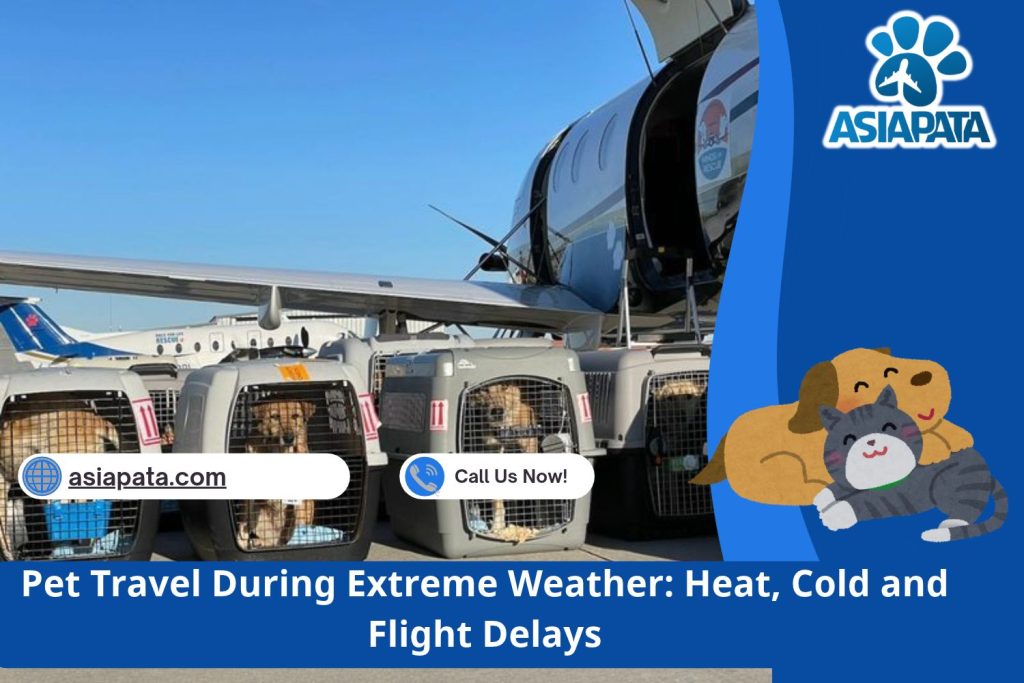
Pet Travel During Extreme Weather: Heat, Cold and Flight Delays
Traveling with pets requires more than booking a flight and preparing a travel crate. Weather conditions, airport procedures, connecting flights, and unexpected delays can all affect an animal’s comfort and safety during transportation. These challenges become more important when pets travel internationally, where journeys may involve several stages and different environmental conditions.
Extreme heat can increase the risk of dehydration and heatstroke, while cold weather may expose pets to uncomfortable or potentially dangerous temperatures. Flight delays and cancellations can also extend travel time and disrupt feeding, hydration, and care arrangements.
For pet owners planning domestic or international transportation, understanding these risks is an important step toward a safer journey. With proper preparation, suitable equipment, and support from experienced transportation providers, many potential problems can be identified and managed before departure.
1. Understanding the Risks of Extreme Weather During Pet Travel
Pets respond differently to environmental changes depending on their species, breed, age, health, and physical condition. A temperature that is comfortable for one animal may be stressful for another.
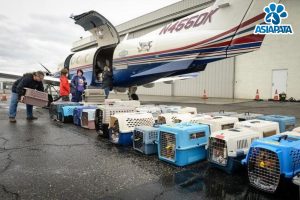
During transportation, pets may encounter several environments, including the owner’s home, a vehicle, the airport terminal, an animal handling facility, an aircraft, and the destination airport. Each stage may have different temperature and ventilation conditions.
Risks Associated with Hot Weather
High temperatures can make transportation particularly challenging for dogs and cats. Animals may become overheated when exposed to direct sunlight, poorly ventilated spaces, or prolonged waiting periods in hot conditions.
Heat-related risks include dehydration, excessive panting, heat exhaustion, and heatstroke. Flat-faced breeds, such as Persian cats and some bulldog breeds, may have additional difficulty regulating their body temperature because of their breathing characteristics.
Pets that are overweight, elderly, very young, or affected by certain medical conditions may also require additional precautions.
Risks Associated with Cold Weather
Cold weather can create problems for pets that are sensitive to low temperatures. Small dogs, short-haired breeds, young animals, senior pets, and animals with certain health conditions may be more vulnerable.
Prolonged exposure to cold can cause discomfort and, in serious cases, hypothermia. Wind, wet fur, and inadequate protection during ground transportation can increase the risk.
Even pets with thick coats should not be assumed to tolerate every winter travel condition. The suitability of a journey depends on the individual animal and the actual conditions throughout the transportation process.
Why International Travel Requires Extra Planning
International pet transportation often involves longer travel times, customs procedures, connecting flights, and additional documentation. Weather conditions at the departure airport may also differ significantly from those at the destination.
For example, a pet traveling from a tropical country to a destination experiencing winter may encounter substantial temperature changes within a single journey.
Owners should therefore consider the entire travel route rather than focusing only on the weather at the departure and arrival cities.
2. Preparing Pets for Air Travel During Hot Weather
Hot weather requires careful planning because pets may be exposed to high temperatures before departure, during ground transportation, or while waiting for handling procedures.
Although aircraft and airport facilities have specific operating procedures, owners should not assume that every stage of a journey will provide identical environmental conditions.
Choose the Travel Date Carefully
When possible, consider seasonal weather patterns and the expected temperatures along the route before choosing a travel date. Avoid unnecessary exposure to extreme heat during transportation to the airport or while waiting for departure.
Some airlines may impose seasonal restrictions or additional requirements for transporting animals during periods of high temperatures. These policies may vary according to the airline, route, animal species, and transportation method.
Confirm the applicable requirements before finalizing the booking.
Provide Appropriate Hydration
Adequate hydration is important for pets traveling in warm conditions. Provide access to fresh water before departure and follow the airline’s instructions regarding water containers and feeding arrangements inside the travel crate.
Avoid making sudden changes to the pet’s normal feeding or drinking routine without appropriate advice. If the journey is long, ask the veterinarian or pet transport provider how hydration should be managed throughout the trip.
Use a Suitable Travel Crate
A travel crate should be secure, appropriately sized, and sufficiently ventilated. The animal must be able to stand, turn around, and lie down naturally, subject to the applicable transport standards.
Avoid covering the entire crate with thick materials that may restrict airflow. Any cooling accessories, absorbent bedding, or additional materials should be suitable for the animal and permitted by the airline.
Recognize Signs of Heat Stress
Pet owners should understand the warning signs of overheating before travel.
Possible signs include excessive panting, heavy drooling, unusual restlessness, weakness, vomiting, confusion, or collapse. Cats may show different or less obvious signs of distress.
If heatstroke is suspected, seek emergency veterinary care immediately. Move the animal away from the heat when safe to do so, begin appropriate cooling measures as directed by veterinary professionals, and do not delay treatment while waiting for symptoms to improve.
3. How to Protect Pets During Cold Weather Travel
Cold weather preparation is especially important when pets travel during winter or pass through destinations with low temperatures.
A well-planned journey should account for outdoor transfers, airport handling, possible delays, and the animal’s ability to tolerate colder conditions.
Check Temperatures Along the Entire Route
Before departure, review the expected weather at the origin, transit airports, and destination. A route with several stops may expose pets to different environmental conditions.
Contact the airline or authorized pet transportation provider to understand any temperature-related restrictions and the arrangements available for animal handling.
If severe cold is forecast, discuss whether an alternative route or travel date would reduce the risks.
Prepare Appropriate Bedding
Bedding can help pets remain comfortable, but it must not obstruct ventilation or create a safety hazard. Use absorbent materials that are suitable for the animal and accepted by the airline.
Do not add bulky blankets or accessories that interfere with the pet’s movement or the crate’s ventilation.
For animals that are particularly sensitive to cold, consult a veterinarian about suitable precautions before traveling.
Minimize Unnecessary Outdoor Exposure
During ground transportation, avoid leaving pets outdoors longer than necessary. Arrange transfers with the responsible provider and confirm how the animal will be protected during loading, unloading, and waiting periods.
Owners should also ask about the handling procedures used if a flight is delayed during winter weather.
Monitor for Signs of Cold Stress
Warning signs may include persistent shivering, unusual lethargy, weakness, poor coordination, or difficulty responding normally.
Severe cold exposure can be a medical emergency. If these signs occur, move the pet to a warmer, safe environment when possible and seek veterinary assistance promptly.
Do not rely solely on the animal’s coat or breed to determine whether conditions are safe.
4. What Pet Owners Should Know About Flight Delays and Cancellations
Flight delays are an important consideration in pet transportation. Even when a journey has been carefully arranged, weather disruptions, operational issues, and connecting-flight changes can affect the original schedule.
An extended delay may alter feeding times, increase the total duration of transportation, and create additional coordination requirements.
Confirm the Airline’s Pet Handling Procedures
Before departure, ask the airline or pet relocation provider what happens if a flight is delayed or cancelled.
Useful questions include:
- Where will the pet be kept while waiting?
- What temperature and ventilation controls are available?
- Who is responsible for checking the animal’s condition?
- How will water, feeding, and other care needs be managed?
- Who will contact the owner if the schedule changes?
- What arrangements are available if the delay extends overnight?
The answers will depend on the airline, airport, transportation method, and the pet’s specific booking.
Keep Communication Details Accessible
Make sure the airline or pet transport provider has accurate contact information. Keep the booking reference, transport documents, and relevant emergency contact details accessible.
If the flight schedule changes, contact the responsible team to confirm the revised departure and arrival times.
For international shipments, check whether the change affects connecting flights, customs clearance, import procedures, or the planned collection time.
Understand the Difference Between Cabin and Cargo Transportation
Pet transportation arrangements differ depending on whether an animal is permitted to travel in the passenger cabin, as checked baggage where offered, or through an airline cargo service.
Each method may have different acceptance rules, handling procedures, and restrictions during extreme weather.
Do not assume that policies for cabin pets automatically apply to animals transported through cargo facilities. Confirm the specific arrangements for the pet’s booking.
What to Do if a Delay Becomes Extended
If a delay lasts longer than expected, ask the responsible provider for an updated care plan and confirmation of the pet’s current status.
If there are concerns about temperature exposure, hydration, or the animal’s health, communicate them immediately to the handling team.
Do not attempt to enter restricted airport or cargo areas without authorization. Follow the instructions of airline staff and authorized animal handlers.
If the pet becomes ill or displays signs of heat or cold stress, request veterinary assistance without delay.
5. How to Prepare an Emergency Plan Before Departure
An emergency plan can help owners respond more effectively when travel conditions change unexpectedly.
Preparation is especially useful for international journeys, where communication and coordination may involve multiple organizations.
Prepare Essential Information
Keep copies of the pet’s identification details, veterinary records, vaccination information, travel booking, and relevant import or export documents.
Depending on the destination, additional certificates, permits, microchip information, or health checks may be required.
Check the validity of all documents before departure. Some countries have specific rules concerning the timing of veterinary examinations, vaccinations, treatments, and official certification.
Discuss Medical Needs with a Veterinarian
A pre-travel veterinary consultation can help determine whether the animal is fit to travel and whether additional precautions are necessary.
Inform the veterinarian about the planned route, expected duration, climate at the destination, and any connecting flights.
If the pet has a chronic condition, breathing difficulties, mobility limitations, or a history of heat or cold sensitivity, ask whether the planned journey is appropriate.
Do not give sedatives or other medication simply to make the pet sleep during transportation unless specifically directed by a veterinarian familiar with the animal and the travel requirements.
Identify the Responsible Contacts
Before the journey, confirm who to contact if there is a delay or an unexpected change in handling arrangements.
Depending on the booking, these contacts may include the airline, cargo agent, pet relocation provider, veterinarian, and the person receiving the pet at the destination.
Clear communication can help prevent confusion when the original schedule changes.
6. Choosing the Right Pet Travel Crate for Changing Weather Conditions
The travel crate plays an important role in protecting pets throughout transportation. It should comply with the airline’s requirements and the applicable animal transport standards.
Size and Comfort
The crate must provide enough space for the pet to stand, turn around, and lie down in a natural position. An undersized crate can restrict movement and increase discomfort during long journeys.
At the same time, the crate should be appropriate for the pet’s size and secure enough to prevent escape or injury.
Ventilation and Construction
A suitable crate should provide adequate ventilation and have secure doors, reliable fastenings, and a stable structure.
Owners should check that ventilation openings are not blocked by bedding, labels, plastic coverings, or other materials.
The crate should also be suitable for the transportation method and accepted by the airline before the travel date.
Familiarization Before Travel
Introduce the pet to the crate well before departure. Allow the animal to explore it in a calm environment and gradually become comfortable spending time inside.
Familiar bedding or an approved familiar item may help some animals feel more settled, provided it does not interfere with ventilation or violate airline requirements.
Avoid introducing the crate for the first time immediately before a long international journey.
7. Common Mistakes to Avoid When Traveling with Pets in Extreme Weather
Even well-intentioned owners may overlook important details when preparing for a trip.
Booking without checking seasonal restrictions: Some airlines apply special acceptance conditions during extreme temperatures. Confirm these policies before paying for the booking.
Assuming all airport areas have the same temperature: Environmental conditions may differ between terminals, vehicles, cargo facilities, and aircraft handling areas. Ask about the arrangements for the pet’s specific journey.
Using unsuitable cooling or heating products: Ice packs, heating pads, electric devices, and other accessories may create risks or may not be permitted. Consult the airline and veterinarian before using them.
Ignoring early signs of distress: Excessive panting, persistent shivering, weakness, or unusual behavior should not be dismissed as normal travel anxiety.
Preparing documents at the last minute: Missing or invalid paperwork may delay transportation and create additional waiting time. Start checking the destination’s requirements well in advance.
Failing to plan for delays: Keep emergency contacts available and understand who is responsible for the pet if the original itinerary changes.
Avoiding these mistakes can improve preparation and help owners respond more effectively to unexpected situations.
8. When Should You Postpone a Pet’s Journey?
There are circumstances in which postponing transportation may be safer than continuing with the original plan.
Examples include severe weather warnings, airline restrictions affecting the pet’s route, concerns about the animal’s fitness to travel, or the absence of suitable handling arrangements during a prolonged disruption.
A veterinarian can assess whether the animal is medically fit for the planned journey. The airline or pet transport provider can explain available alternatives and applicable restrictions.
Owners should not make the decision based only on the temperature at the departure airport. The full route, transit arrangements, destination conditions, and the animal’s individual needs should all be considered.
If postponement is necessary, ask about rebooking options, document validity, updated permits, and any additional arrangements that may be required.
The priority should always be the animal’s welfare and compliance with the relevant transportation rules.
9. How ASIAPATA Supports Pet Travel Planning
Organizing international pet transportation requires coordination between pet owners, airlines, veterinary professionals, and the relevant authorities. Weather-related challenges make advance planning even more important.
ASIAPATA helps pet owners understand the practical steps involved in preparing for pet transportation and organizing the journey according to the applicable route and service requirements.
Depending on the service and destination, planning may involve reviewing transportation arrangements, identifying required documents, checking crate specifications, and coordinating relevant travel details.
Pet owners should provide accurate information about the animal’s species, breed, age, size, health considerations, departure location, destination, and preferred travel date. These details help determine which requirements need to be checked before a booking is confirmed.
For journeys scheduled during periods of extreme heat or cold, owners should also discuss the airline’s temperature-related restrictions and the procedures available if a flight is delayed or cancelled.
Contacting a pet transportation provider early can help identify potential issues before departure and allow more time to prepare alternative arrangements when necessary.
10. A Practical Checklist for Pet Travel During Extreme Weather
Before the trip, review the following checklist to make sure important preparations have been addressed.
Before Booking
- Check seasonal weather conditions at the departure airport, transit points, and destination.
- Confirm that the airline accepts the animal on the selected route.
- Ask about temperature-related restrictions and procedures for delays.
- Consult a veterinarian about the pet’s fitness to travel.
- Review the destination’s import requirements and documentation deadlines.
Before Departure
- Prepare an airline-compliant travel crate.
- Allow the pet time to become familiar with the crate.
- Confirm the booking and check the latest flight schedule.
- Prepare the required veterinary certificates, permits, and identification records.
- Confirm emergency contact details and the arrangements for unexpected disruptions.
During a Delay
- Contact the airline or authorized pet transport provider.
- Confirm the pet’s location and available care arrangements.
- Ask how hydration, feeding, and environmental conditions will be managed.
- Request veterinary assistance if the animal shows signs of distress.
- Check whether the revised schedule affects customs clearance or collection arrangements.
After Arrival
- Collect the pet according to the airport’s procedures.
- Observe the animal for unusual behavior, weakness, breathing difficulties, or signs of temperature-related stress.
- Provide a calm environment and access to water.
- Seek veterinary advice if the pet appears unwell or does not recover normally after the journey.
Conclusion
Pet travel during extreme weather requires careful planning, reliable information, and attention to the animal’s individual needs. High temperatures can increase the risk of dehydration and heatstroke, while cold conditions may cause discomfort or more serious health problems. Flight delays can add further challenges by extending the journey and changing care arrangements.
Pet owners can reduce avoidable risks by checking weather conditions along the entire route, choosing suitable transportation equipment, consulting a veterinarian, preparing the required documents, and confirming the airline’s procedures before departure.
For international pet transportation, early preparation is particularly valuable. Understanding what to expect and knowing whom to contact when plans change can make the journey more manageable for both pets and their owners.
ASIAPATA encourages pet owners to plan ahead, verify the latest airline and destination requirements, and prioritize animal welfare at every stage of transportation.
Xem thêm: SHIPPING AUSTRALIAN RED SAND TO VIETNAM FOR AFRICAN SPINY-TAILED LIZARD HABITATS
Xem thêm: Signs Your Pet Needs to Be Taken to a Veterinarian
Xem thêm: Bad Breath in Dogs: Causes and Effective Solutions
